
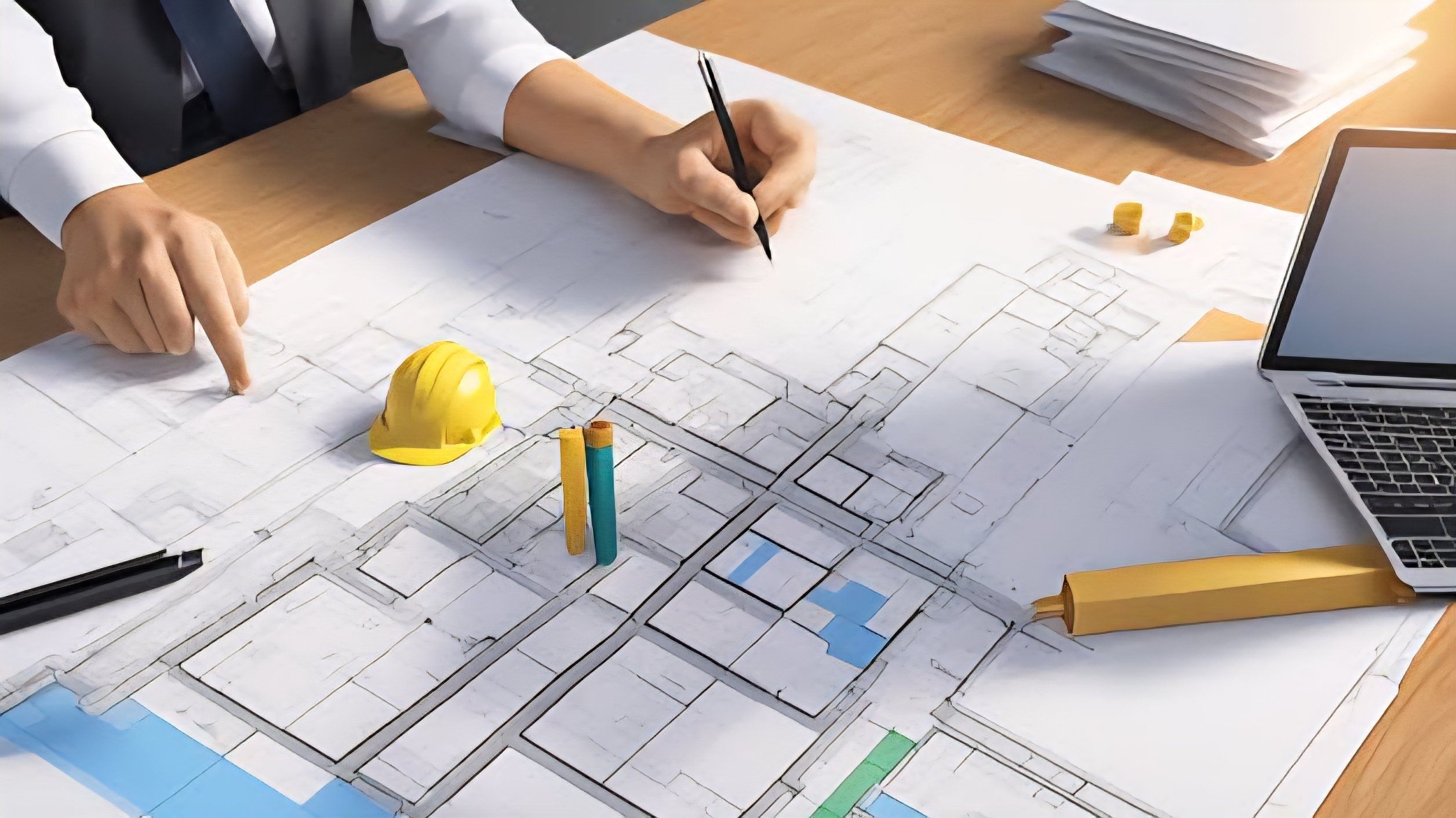

The dream of homeownership in Kenya often begins with a piece of land and a rough sketch, but the path from groundbreaking to moving in is frequently littered with structural cracks and legal hurdles. For many developers, the temptation to cut corners starts with the payroll. By sidelining certified professionals in favor of "fundis" or unregulated contractors, property owners are unknowingly entering into a high-stakes gamble with their life savings.
While the visible work on a site is done by manual laborers, the integrity of a building depends on the invisible calculations made long before the first brick is laid. Industry experts point to a recurring pattern where developers view professional fees as an unnecessary expense rather than a form of insurance. This mindset has contributed to a rise in stalled projects and, in extreme cases, the total collapse of residential buildings in urban centers like Nairobi and Kiambu.
The architect serves as the primary visionary and lead consultant, yet their role is frequently misunderstood as merely drawing plans for county approval. Beyond the aesthetics, a registered architect coordinates the entire design team and ensures that the building is functional, ventilated, and compliant with local zoning regulations. Without this oversight, homeowners often find themselves with rooms that lack natural light or structures that encroach on utility wayleaves, leading to costly demolition orders.
Following the design phase, the structural engineer is the professional responsible for ensuring the house stands firm against gravity and environmental pressures. In Kenya, varying soil types—from the expansive black cotton soil of Kitengela to the red volcanic soil of Kabete—require specific foundation designs. When a developer skips an engineer to save on consultation fees, they often end up over-specifying steel and concrete out of fear, or worse, under-specifying them. Both scenarios lead to financial waste or structural instability that manifests as deep wall fissures within months of completion.
Financial mismanagement is perhaps the most common reason for project failure in the local residential sector. This is where the quantity surveyor becomes indispensable. Often referred to as construction economists, these professionals provide a Bill of Quantities that acts as a financial roadmap. Without a precise budget, developers frequently run out of funds midway through the carcass stage. A quantity surveyor manages the "hidden" costs of materials and labor, preventing the price fluctuations that often lead to the abandonment of sites.
The legal landscape of Kenyan construction has also become increasingly stringent. The National Construction Authority (NCA) and various county planning departments now require proof of professional engagement before issuing permits. Building without a licensed mechanical and electrical engineer, for instance, can lead to faulty wiring and plumbing disasters that are nearly impossible to fix once the walls are plastered. These experts ensure that the internal systems of the house are safe and sustainable, reducing the long-term maintenance burden on the owner.
Furthermore, the role of a land surveyor is often neglected until a boundary dispute arises with a neighbor. Establishing the exact coordinates of a plot is a prerequisite for any permanent structure. Encroaching even by a few inches onto a neighboring property or a public road can result in years of litigation or the forced removal of the structure.
The initial cost of hiring these five experts typically ranges between 10 to 15 percent of the total construction budget. While this may seem like a significant upfront hit, the alternative is often a "ruin in the making." Professional indemnity insurance, which most registered consultants carry, provides an extra layer of protection for the homeowner that a local handyman cannot offer.
As the Kenyan government tightens building codes to curb the menace of collapsing buildings, the era of the "do-it-yourself" developer is drawing to a close. Investing in expertise is no longer a luxury for high-end projects but a fundamental requirement for anyone looking to build a safe, legal, and durable home. The stories of cracked walls and sinking foundations serve as a stark reminder that in the world of construction, the cheapest way is almost always the most expensive in the end.
Comments (0)
Leave a Comment
No comments yet. Be the first to share your thoughts!