

A version of this article appeared on LinkedIn by Ohad Einbinder.
The immediate reaction from many property owners when introduced to Light Gauge Steel (LGS) framing involves concerns about rust.
It is a natural assumption, given how everyday metal objects degrade when exposed to the elements.
However, structural engineering relies on precise calculations rather than initial assumptions.
Commercial airplanes navigate intense humidity, heavy rain, and extreme temperature fluctuations for decades using robust steel alloys and aluminum.
Suspension bridges routinely carry immense structural loads through harsh marine environments for over a century.
The fundamental engineering focus is not whether steel can rust, but how the material is manufactured to resist moisture.
Modern structural framing utilizing steel features protective zinc coatings that prevent oxygen and water from reaching the base metal.
This metallic barrier ensures the framing remains entirely safe from the threats of oxidation and rust.
Timber is often viewed as a familiar, traditional alternative, but it presents several structural challenges over time.
Wood naturally reacts to environmental changes by swelling, shrinking, and warping as moisture levels fluctuate.
These organic changes can compromise the straightness of walls and the long-term alignment of structural joints.
Furthermore, timber introduces biological risks into a building because it serves as a primary food source for destructive termites.
Damp timber framing also creates an ideal environment for mold growth, which can severely impact indoor air quality.
In sharp contrast, cold-formed steel framing does not absorb moisture, rot, or change shape as seasons change.
The structural dimensions calculated during the design phase remain identical throughout the entire lifespan of the building.
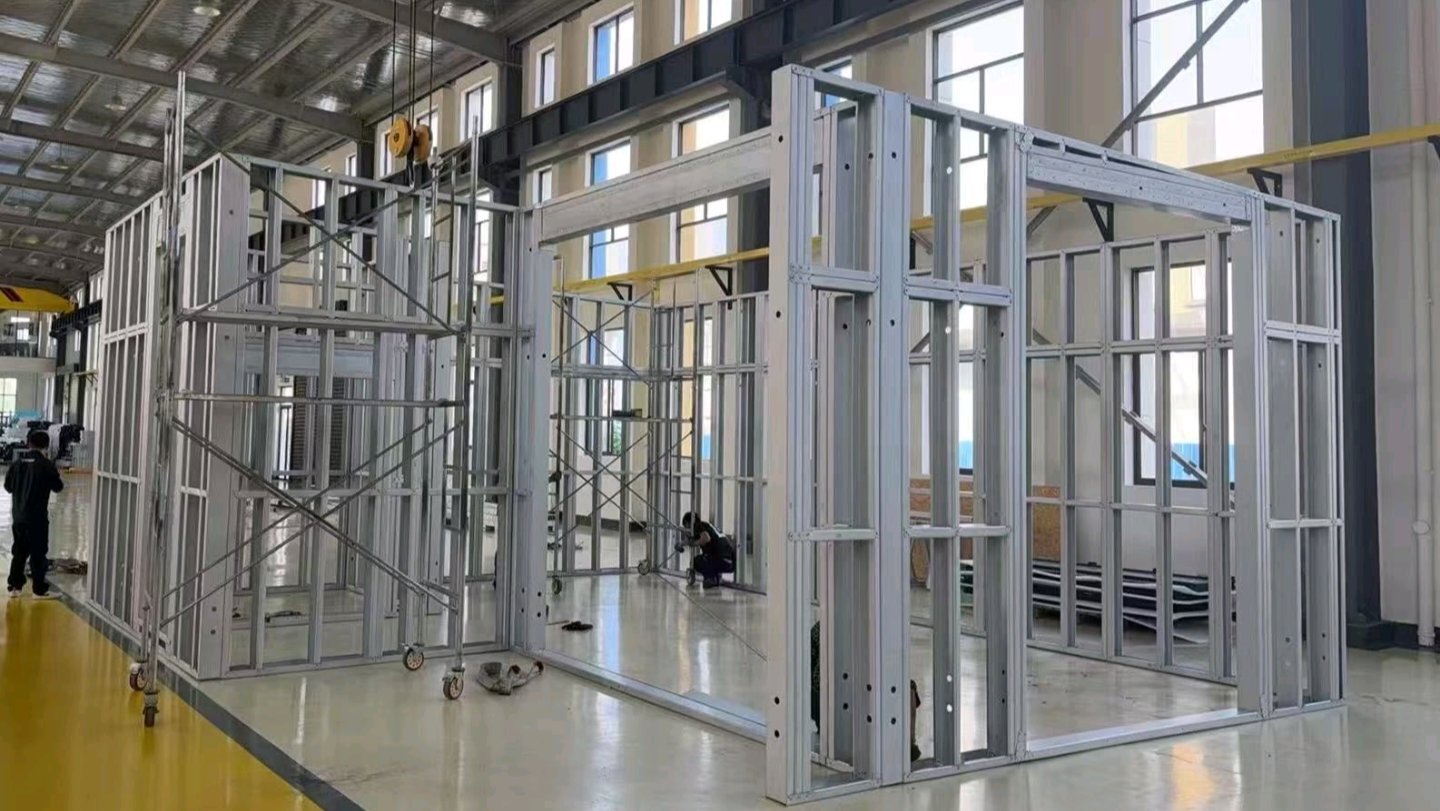
Prefabricated construction yards assemble these steel frames under highly controlled conditions, as seen in the factory files.
This controlled environment ensures every wall panel and floor truss meets exact millimeter specifications before delivery to site.
While familiar materials offer emotional comfort, structural longevity depends entirely on calculated material performance under environmental stress.
Comments (0)
Leave a Comment
No comments yet. Be the first to share your thoughts!