
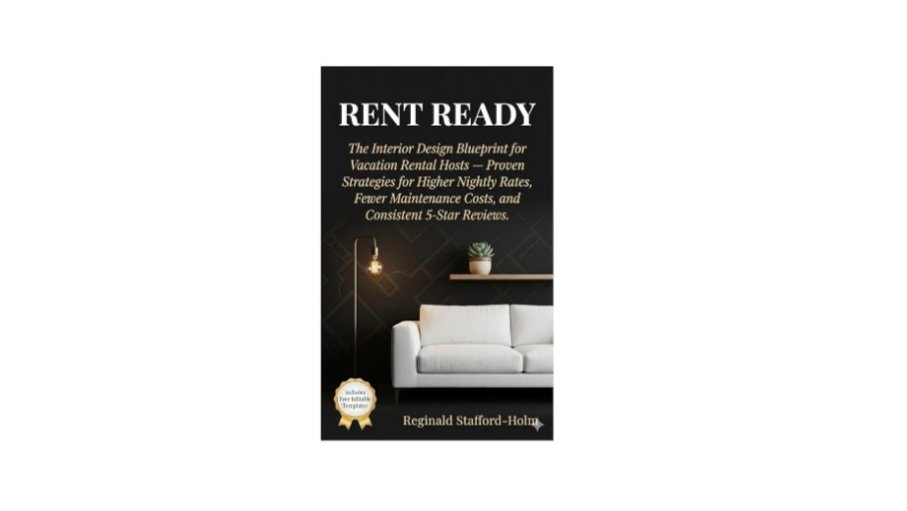

An explainer on why standard residential fit-outs fall short in the hospitality sector.
The structural requirements of short-term vacation rentals are forcing a departure from traditional residential interior construction, as property owners face the financial realities of high-traffic wear.
Unlike long-term residential lettings, where tenants manage daily upkeep, short-term rental units function as hospitality assets. This structural shift demands specialized interior blueprints, such as those outlined in the industry guide "Rent Ready" by Reginald Stafford-Holm.
Property developers in Kenya and major regional hubs are increasingly recognizing that standard domestic finishes fail prematurely under hospitality conditions.
Commercial-grade durability must be integrated during the initial fit-out phase. Choosing high-traffic materials lowers the overall lifecycle cost of the asset.
Wall finishes, flooring types, and integrated lighting systems require deliberate architectural specification to withstand constant turnover, but without making the space feel clinical.
Unplanned maintenance downtime can severely reduce annual yields. If a property is offline for repairs, if it suffers from poor lighting, or if its surfaces stain easily, vacancy rates rise.
A structured design framework balances upfront capital expenditure against future operational maintenance, ensuring that the materials selected survive frequent cleaning cycles.
Ultimately, integrating hospitality-focused interior design at the construction phase ensures consistent revenue generation and protects the physical real estate asset from premature depreciation.
Comments (0)
Leave a Comment
No comments yet. Be the first to share your thoughts!