
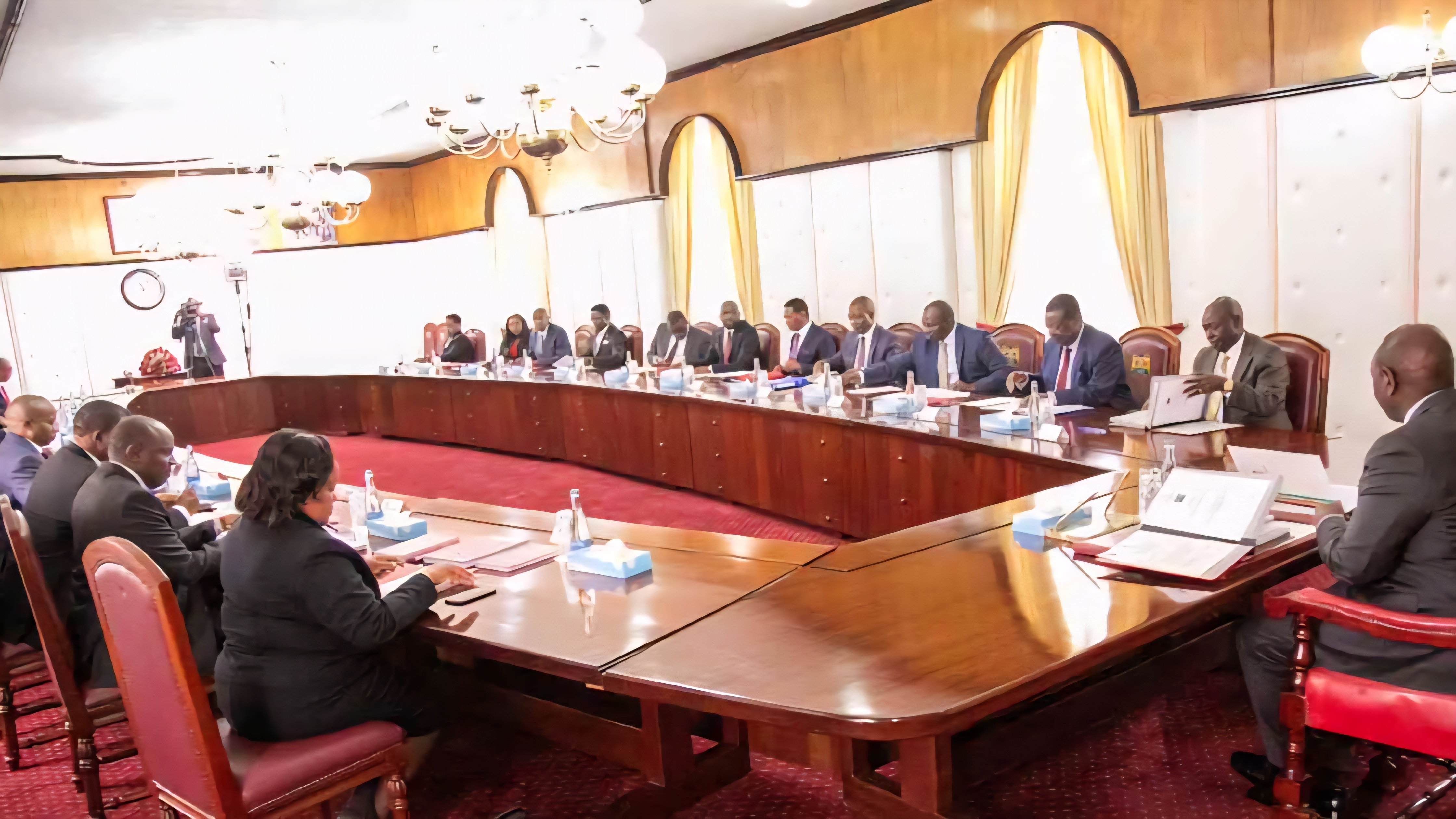

The Kenyan Cabinet has granted formal approval for the third phase of a major bilateral infrastructure and education project that will see 70 Technical and Vocational Education and Training (TVET) institutions equipped with specialized modern machinery from China. The decision was reached during a Cabinet meeting chaired by President William Ruto at State House on Tuesday, marking a continuation of long-term efforts to modernize the country’s industrial training capacity.
This latest approval clears the path for the full rollout of the Competency-Based Education and Training (CBET) framework, which has faced historical challenges due to a lack of physical infrastructure and industry-standard tools. Under the terms of the agreement, the project will focus on eight priority technical disciplines deemed critical for the country’s construction, manufacturing, and engineering sectors.
In addition to the physical hardware, the program includes a significant human capital component. The deal mandates the training of 1,190 instructors who will be tasked with operating the new machinery and aligning their teaching methods with modern industrial standards. This is intended to address the persistent gap between the skills taught in vocational centers and the actual requirements of the modern job market.
The move comes at a time when the government is under pressure to justify heavy capital investments in the TVET sector following recent scrutiny by the Public Investments Committee regarding the financial management of several colleges. By proceeding with Phase III, the Cabinet is signaling a continued reliance on the China-Kenya partnership to provide the technological backbone for the nation’s vocational reform.
Historically, these equipment deals have been valued in the billions of shillings. Previous phases of the partnership, often linked to the Belt and Road Initiative and partnerships with firms like AVIC International, have focused on mechanical, electrical, and civil engineering labs. The current phase aims to standardize these facilities nationwide, ensuring that students in rural vocational centers have access to the same grade of technology as those in urban polytechnics.
The Cabinet noted that this expansion is a core pillar of the Vision 2030 development agenda, specifically targeting the growth of Micro, Small, and Medium Enterprises (MSMEs). By producing a workforce capable of handling sophisticated equipment, the government expects to lower the reliance on foreign technical experts for local infrastructure projects.
Implementation is expected to begin immediately following this approval. The Ministry of Education will oversee the distribution of the tools, which typically include high-end lathes, welding simulators, and automotive diagnostic kits. For the construction sector, this ensures a more consistent pipeline of certified technicians capable of working on complex civil engineering and building projects.
Comments (0)
Leave a Comment
No comments yet. Be the first to share your thoughts!