
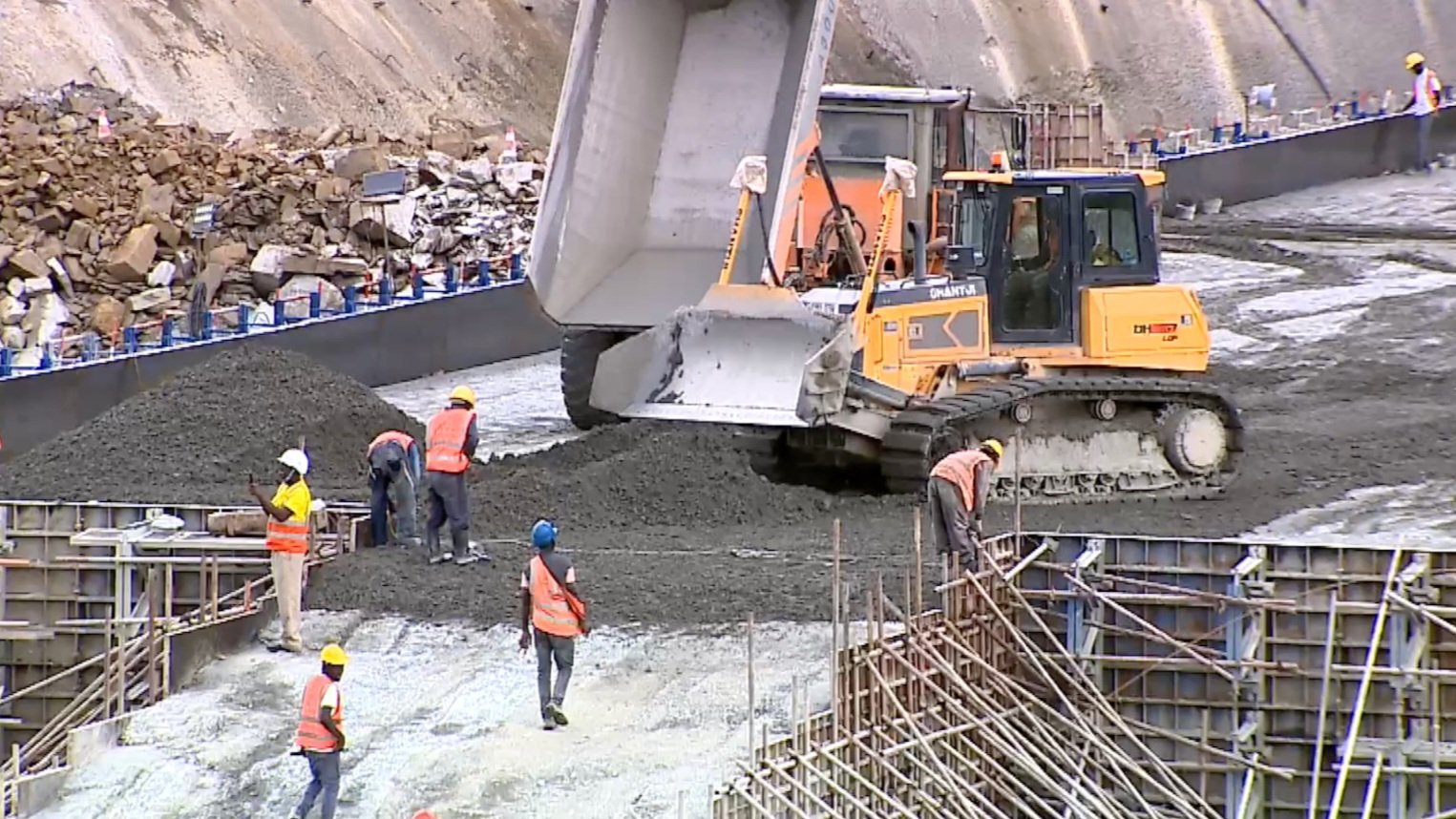

The Government of Kenya has confirmed plans to commence the construction of six mega dams starting in 2026. This infrastructure initiative is part of a broader strategy by the State Department for Irrigation to expand the country’s irrigated land to two million acres. The move is aimed at reducing reliance on rain-fed agriculture and mitigating the effects of climate change on food production.
According to the Head of Irrigation Infrastructure, Engineer Vincent Kabuti, the commencement of these projects is subject to the finalization of designs, feasibility studies, and financing structures. Speaking on the rollout, Kabuti noted that the government expects to break ground on at least six flagship dams within the 2026 calendar year. The project list includes the Lowaat Dam in Turkana County, Radat Dam in Baringo County, Thuci Dam in Embu County, and Basilinga Dam in Isiolo County.
Two other major installations are featured in the plan: the High Grand Falls Dam, which will serve Kitui and Tharaka Nithi counties, and the Galana Dam, spanning the Tana River and Kilifi counties. These specific sites have been selected due to their location in arid and semi-arid lands, regions that currently hold significant underutilized agricultural potential.
The State Department for Irrigation has already earmarked close to two million acres for development nationwide. Principal Secretary Ephantus Kimotho stated that the plan is anchored under the national sector investment program. The objective is to facilitate a transition toward large-scale commercial agriculture in areas traditionally marginalized by low and unreliable rainfall.
Budgetary estimates for several of the proposed works indicate the scale of the investment. The High Grand Falls Dam is projected to cost approximately Sh320 billion, while the Radat Dam is estimated at Sh30 billion. The Galana Kulalu project infrastructure is expected to require about Sh40 billion, and the Thuci Dam is currently budgeted at Sh705 million. To manage the financial requirements of the larger sites, the government has indicated that the Basingila and Lowaat dams will likely be developed through public-private partnerships.
Irrigation Secretary of Programmes Michael Thuita emphasized that the focus remains on the country’s arid and semi-arid areas, which constitute between 80 and 89 percent of Kenya's landmass. By prioritising large-scale water storage in these zones, the state intends to stabilize food prices and create employment opportunities within the agricultural sector.
While the government remains optimistic about the 2026 timeline, the success of the initiative depends on the completion of the preparatory phases currently underway. If delivered as planned, the six dams will serve as the primary infrastructure for a nationwide irrigation push intended to transform the economic landscape of Kenya’s drier counties.
Comments (0)
Leave a Comment
No comments yet. Be the first to share your thoughts!