
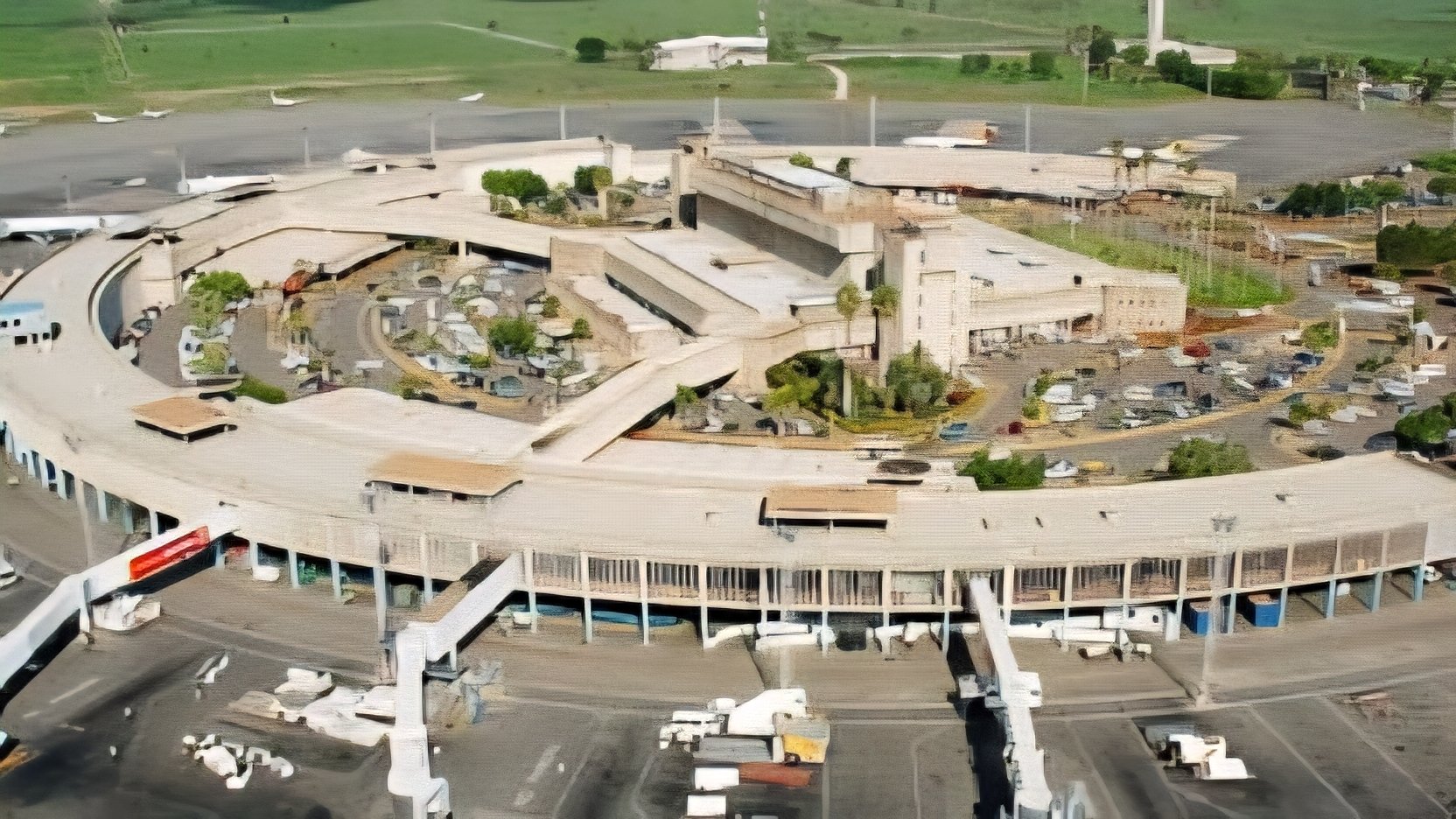

The Kenya Airports Authority, KAA, has formally presented a new 20-year integrated masterplan for Jomo Kenyatta International Airport, JKIA, aimed at addressing severe infrastructure constraints and rising passenger traffic. The blueprint, which covers the period from 2025 to 2045, focuses on a multi-phased modernization of Kenya’s primary aviation hub.
The government intends to construct a new terminal complex in two distinct phases. Phase I is designed to provide capacity for 10 million passengers annually, while Phase II will add a further 5 million, bringing the total ultimate terminal capacity to 15 million passengers per year.
This development comes as JKIA continues to operate beyond its original design capacity. Data from the KAA indicates that the airport handled 8.6 million passengers in 2024 and 8.8 million in 2025, significantly exceeding its current annual limit of 8 million. Projections suggest that existing facilities will reach operational breaking points within the next three years if no action is taken.
Airfield expansion is a central pillar of the strategy. The plan proposes the construction of a new runway by 2029, which is expected to increase aircraft movements to 63 per hour, up from the current 14. This increase in airfield capacity is viewed as essential for reducing flight delays and accommodating more international airlines.
The masterplan was presented to the Kenya Aviation Workers Union, KAWU, as part of a stakeholder consultation process following the government’s recent decision to terminate a previous 238 billion shilling renovation agreement with the Adani Group. The new roadmap emphasizes a state-led approach to infrastructure delivery and financial feasibility.
Beyond terminal and runway construction, the proposal outlines comprehensive landside upgrades. These include the expansion of access roads, improved internal circulation, and the modernization of support facilities. Existing terminals will also undergo rehabilitation and optimization to ensure operational continuity while the new projects are under construction.
KAA officials stated that the modernization is critical for maintaining the regional competitiveness of JKIA. With neighboring countries investing heavily in their own aviation infrastructure, the authority maintains that the upgrade will support cargo growth and generate employment across the aviation value chain.
Comments (0)
Leave a Comment
No comments yet. Be the first to share your thoughts!