
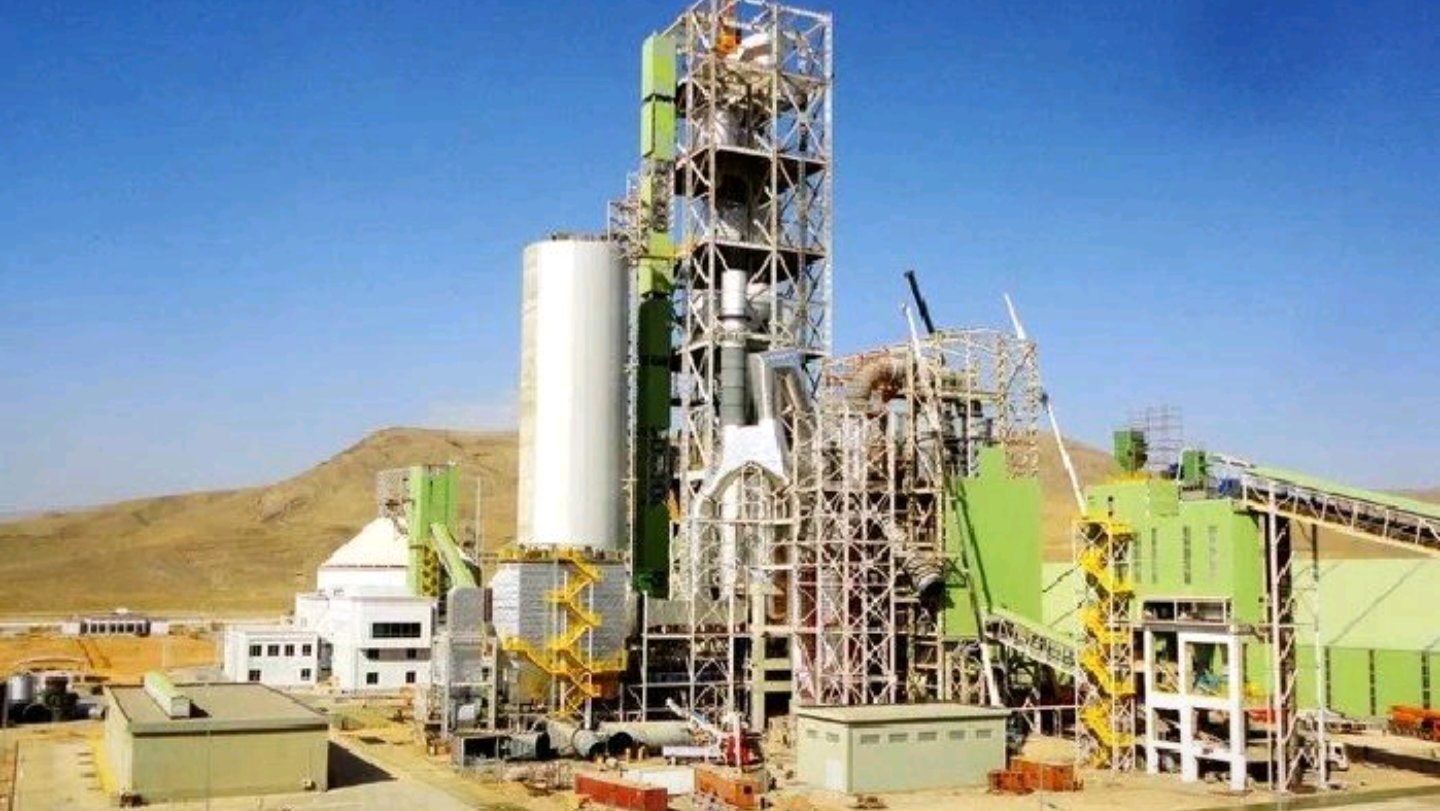

Kenya's building and construction sector is showing renewed momentum following an increase in key sector metrics recorded during the first six months of the year. Data released by official tracking channels indicates a steady rise in local manufacturing and building material utilization across various infrastructure development sites nationwide.
According to updates published by The Kenyan Wall Street (TKWS), national cement production reached 5.54 million metric tonnes in the first half of 2026. This figure represents an increase from the 4.86 million metric tonnes recorded over the corresponding period a year earlier.
The surge in manufacturing output coincides with a corresponding rise in domestic consumption, indicating heightened activity on commercial and public development projects. Local developers and contractors have steadily absorbed the increased factory output as scheduled works across the country progress.
In addition to expanding material production, statutory municipal planning departments have logged an increase in project approvals. Municipal authorities point to a higher volume of submitted structural designs and site applications, which signals ongoing confidence among private investors and public works authorities.
The expansion in cement output aligns with broader economic recovery trends within the regional building materials market. Manufacturers have maintained steady plant operations to keep pace with demand from major civil engineering projects, residential housing schemes, and transport infrastructure upgrades.
Industry stakeholders note that consistent availability of basic building materials remains essential for sustaining long-term commercial developments and avoiding project delays. Increased project approvals typically lead to higher demand for skilled labor, equipment leasing, and downstream supply chains in neighboring manufacturing hubs.
Financial analysts monitoring the local market observe that growing consumption metrics reflect expanding capital expenditure across both urban centers and rural counties. Sector players expect these production levels to support ongoing construction timelines through the remainder of the trading year.
Government planning bodies continue to monitor material output figures as an indicator of broader economic output. Steady supply chains for foundational materials like cement help ensure that primary infrastructure initiatives meet their slated development deadlines without experiencing severe cost inflation or supply bottlenecks.
As national development agencies continue to approve pending building applications, construction firms are expected to maintain steady procurement schedules. Industry observers will continue tracking second-half consumption numbers to determine whether the current upward trajectory in building activity remains consistent throughout the full operational period.
Comments (0)
Leave a Comment
No comments yet. Be the first to share your thoughts!