
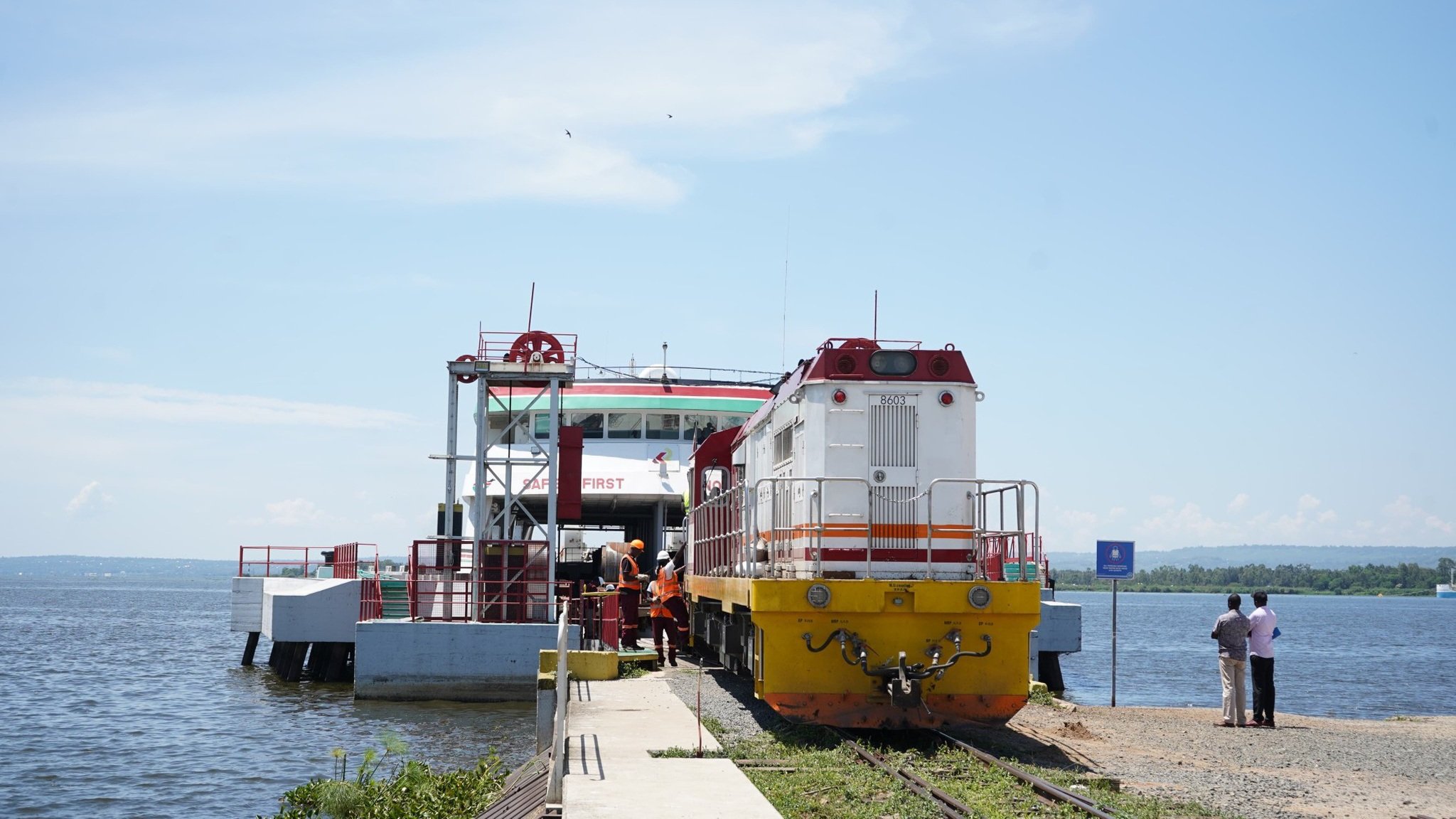

Kenya Railways is maintaining a consistent maritime logistics link between Kisumu and the wider East African region through the weekly deployment of the MV Uhuru I and MV Uhuru II. The two vessels are currently transporting up to 1,500 tonnes of cargo per trip across Lake Victoria, targeting key ports in Uganda and Tanzania.
The cargo manifest for these voyages includes essential industrial and agricultural commodities such as steel, sugar, cement, fuel, and grain. This operation provides a dedicated channel for heavy bulk goods that would otherwise rely on road networks.
By utilizing Kisumu Port as a primary hub, the rail-to-water transition allows for more efficient movement of goods from the Port of Mombasa. Each ship provides approximately 1,800 square meters of deck space, accommodating large-scale shipments including steel billets, iron sheets, and automotive gas oil.
The vessels serve the ports of Jinja and Port Bell in Uganda, alongside Mwanza in Tanzania. This network supports the regional supply chain by reducing the logistics burden on the Northern Corridor, which traditionally handles the bulk of transit traffic.
MV Uhuru II, a 100-meter-long vessel built at the Kisumu Shipyard, joined the older MV Uhuru I to bolster this capacity. The construction of the newer ferry was a collaboration between Kenya Shipyards Limited and Damen Gorinchem, aimed at meeting the rising demand for liquid and dry cargo transport.
Kenya Railways currently maintains a schedule of roughly three trips per week. This frequency ensures that manufacturers and exporters have a predictable timeline for moving raw materials and finished products across the lake.
Government efforts to integrate Kisumu Port with the railway network have been central to this growth. Recent infrastructure upgrades, including the rehabilitation of the port quay and expanded yard space, allow for the simultaneous docking and processing of multiple vessels.
President Ruto has previously emphasized the importance of these maritime assets in lowering the cost of doing business. The shift toward lake transport has been reported to reduce transport costs between Kenya and Uganda by nearly 30 percent compared to traditional road haulage.
The continued operation of the two vessels is expected to stabilize trade flows as regional demand for construction materials and fuel remains high. With the integration of the railway line to the lakeside facility, the transit time for goods moving from the Indian Ocean to landlocked neighbors has become more competitive.
Comments (0)
Leave a Comment
No comments yet. Be the first to share your thoughts!