
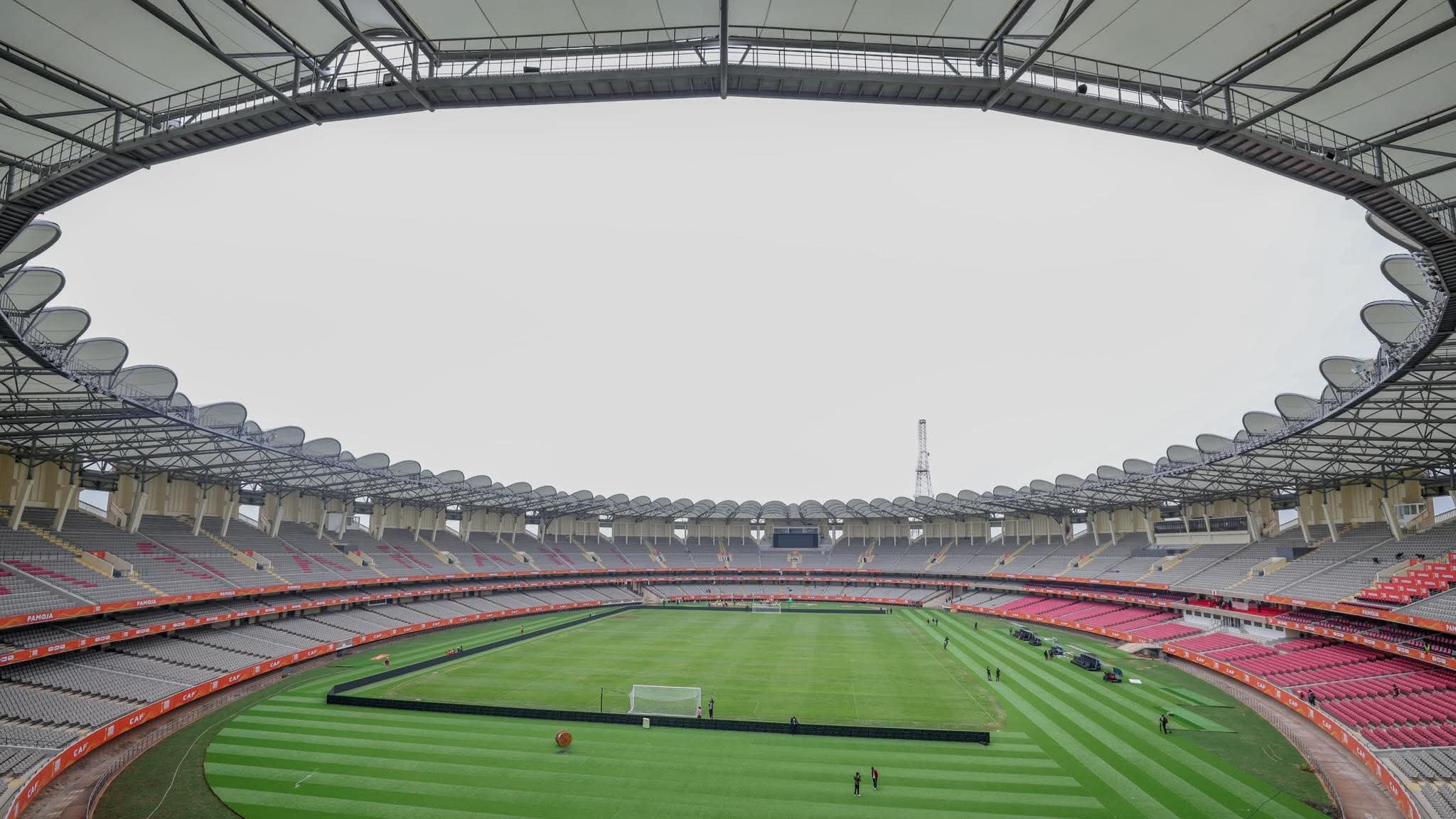

The Football Kenya Federation has officially confirmed the temporary closure of the country’s primary sporting venues, including the Moi International Sports Centre, Kasarani, and Nyayo National Stadium. The decision follows the arrival of technical experts from the Confederation of African Football who are conducting high-level assessments to determine Kenya’s readiness for the 2027 Africa Cup of Nations. This move has immediately thrown the domestic football schedule into a period of significant uncertainty, as the federation moves to comply with continental infrastructure requirements.
Hussein Mohammed, the FKF President, stated that the inspections are a mandatory component of the broader compliance process for the East Africa Pamoja bid. The evaluation team is currently scrutinizing match venues and designated training facilities to ensure they meet the rigid, world-class delivery standards set by the governing body. Beyond the two main stadiums in Nairobi, the under-construction Talanta Sports City is also a focal point of the audit.
The scope of the inspection is comprehensive, covering technical aspects that range from pitch drainage and turf quality to broadcast capabilities and medical facilities. Inspectors are also reviewing safety and security protocols, as well as venue management systems. According to the federation, these assessments are necessary to identify required upgrades and maintenance interventions. At Kasarani, the facility is moving into Phase Two of its renovation, which includes a complete replacement of the playing surface. Meanwhile, Nyayo National Stadium is scheduled to receive a new canopy and an expanded media centre following the conclusion of scheduled rugby events.
For local clubs and fans, the immediate impact is a logistical nightmare. The closure of these venues means that flagship teams such as Gor Mahia and AFC Leopards must find alternative grounds for their home fixtures. The FKF has acknowledged that this will lead to a scheduling headache, necessitating venue changes and potential adjustments to kick-off times across the Premier League and other domestic tiers. Training programmes for the national team have also been affected, as facilities like the Ulinzi Sports Complex and the Kenya Academy of Sports are included in the inspection sweep.
While the disruption to the current season is extensive, the federation has framed the closures as a necessary investment in the future of the sport. The goal is to ensure that the infrastructure left behind after the 2027 tournament provides a sustainable legacy for Kenyan football. Officials from the Local Organising Committee have urged stakeholders to remain patient, noting that the long-term benefit of having certified, international-standard venues outweighs the temporary inconvenience of the current calendar upheaval.
Construction work at the various sites is expected to intensify as the countdown to the continental showpiece continues. Talanta Sports City, which will serve as the flagship arena, is reportedly entering its final phase of interior installations. With the inspection team now on the ground, the pressure is on the government and the federation to demonstrate that the promised upgrades are on track and meet the stringent criteria for hosting Africa’s premier football event.
Comments (0)
Leave a Comment
No comments yet. Be the first to share your thoughts!