
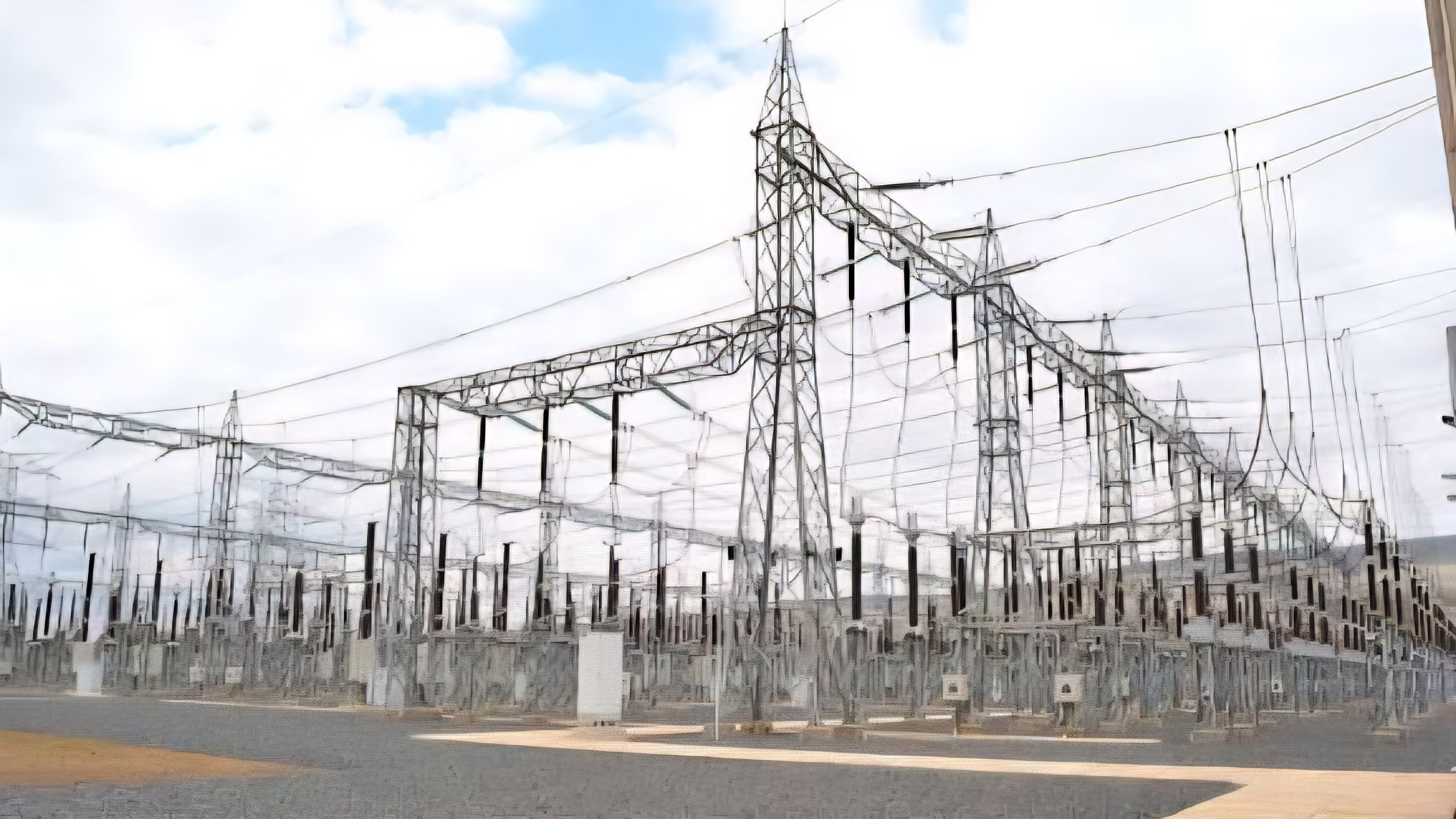

The Kenya Electricity Transmission Company (Ketraco) is preparing to initiate the construction of three power substations in the coastal region as part of a strategic effort to resolve long-standing supply instabilities. The state-owned utility identified sites in Diani, Galu, and Likoni for the new installations. These facilities are intended to reinforce the local grid, which has frequently struggled with voltage fluctuations and reliable distribution.
This infrastructure push comes at a time when the coastal region is experiencing increased demand from both the hospitality sector and emerging industrial zones. Residents and businesses in Kwale and Mombasa counties have often reported disruptions that impact operations. By establishing these substations, Ketraco aims to create a more resilient transmission network that can handle higher loads and reduce the frequency of blackouts.
Engineering assessments indicate that the coastal network requires localized reinforcement to minimize transmission losses. The Diani and Galu sites are particularly critical due to the concentration of tourism-related infrastructure along the south coast. Meanwhile, the Likoni substation is expected to support the growing residential and commercial density near the channel, providing a more stable link to the primary national grid.
Ketraco has already begun the process of identifying the land required for these projects. Formal notices have been issued regarding the intended acquisition of various parcels in the affected areas. Under Kenyan law, the National Land Commission will oversee the valuation and compensation process for the landholders. This phase is essential for securing the wayleaves and sites necessary for the physical footprint of the substations and the associated connecting lines.
The development is part of a broader national transmission master plan designed to upgrade Kenya’s aging electrical infrastructure. For many years, the coastal region relied on a limited number of high-voltage lines, which left the system vulnerable to single-point failures. The addition of these three nodes will provide technical redundancy, allowing engineers to reroute power more effectively during maintenance or unexpected faults.
Beyond residential stability, the project holds implications for the manufacturing and processing sectors. Industrial players at the coast have previously cited the high cost of backup power as a barrier to expansion. A more reliable grid provided by the state could lower the overhead costs for these firms. While the specific construction timelines depend on the completion of land acquisition and procurement processes, the government has categorized the coastal grid upgrade as a priority project.
The funding for such projects typically involves a mix of internal state resources and support from international development partners. Ketraco has not yet detailed the specific contractors for the work, but the projects will involve civil works, the installation of transformers, and the deployment of switchgear technology. Once operational, the substations will be integrated into the national control center’s monitoring system to ensure real-time management of electricity flows across the coastal circuit.
Comments (0)
Leave a Comment
No comments yet. Be the first to share your thoughts!