

The Kenya National Highways Authority, KeNHA, has officially moved into the design and implementation phase of an expansive infrastructure project targeting 815 kilometres of road networks within the Lake Victoria Basin. This development follows the confirmation of funding from the World Bank under the Lake Victoria Basin Development Project, LVBDP, aimed at improving regional connectivity and supporting the blue economy in Western Kenya and Nyanza.
The project scope encompasses five major corridors. It is designed to modernize the transport network while simultaneously integrating digital infrastructure. A core component of the civil works involves the laying of fibre optic cables along the designated routes, a move intended to enhance digital services and telecommunications alongside physical transport improvements. This multi-sectoral approach reflects a shift in infrastructure planning, where road projects serve as conduits for both physical trade and digital data transmission.
According to procurement and planning documents, the project will cover critical routes across several counties including Busia, Siaya, Kisumu, Homa Bay, and Migori. Specific segments identified for feasibility studies and engineering designs include the Matayos to Port Victoria road and the Homa Bay to Muhuru Bay stretch. These works are expected to facilitate more efficient movement of goods and people, particularly for communities whose livelihoods depend on agricultural and fishing value chains.
The World Bank has already committed a preparation grant to kickstart the consultancy services, which include detailed engineering designs and environmental impact assessments. This preparatory phase is essential for ensuring that the subsequent construction phase meets international standards for safety and sustainability. The integration of fibre optic cable infrastructure is specifically budgeted as part of the civil works, ensuring that the digital backbone is installed concurrently with the road surface upgrades.
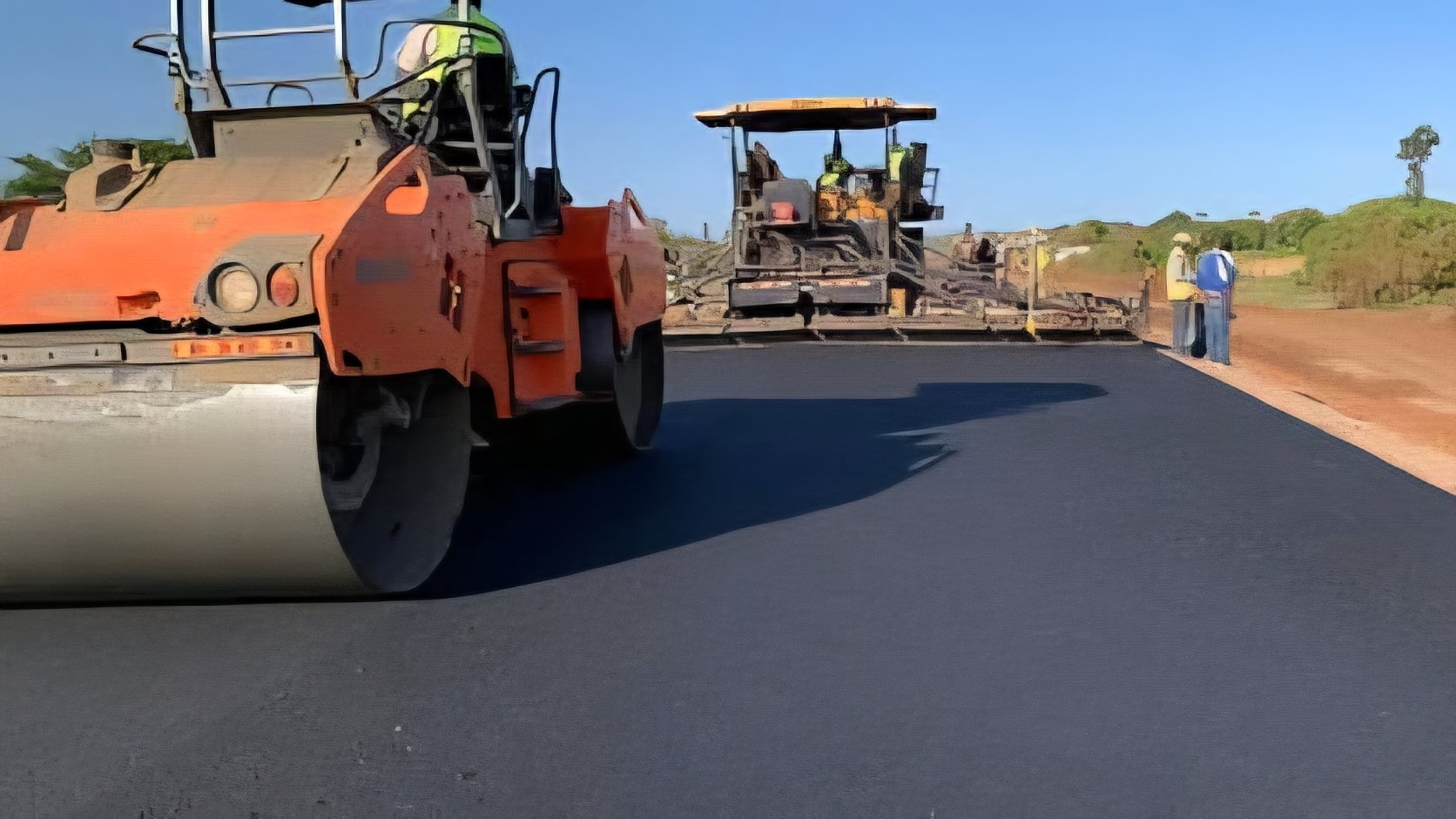
While the Lake Victoria Basin remains the primary focus of this new funding, other significant works are progressing elsewhere in the country to provide comparative benchmarks for KeNHA projects. For instance, construction is currently active on the Taveta to Njukini to Illasit road, where contractors are working on a 66.5 kilometre stretch. That particular project, although separate from the Lake Victoria Basin funding, demonstrates the ongoing transition toward bitumen standards for regional link roads.
The Lake Victoria Basin project also aims to address institutional capacity within the transport sector. Beyond the physical construction of roads, the program includes provisions for strengthening project coordination and training for KeNHA personnel. This ensures that the long-term management of the 815 kilometre network remains viable once the initial construction is completed.
Trade facilitation remains a central objective for this investment. By improving the road surface and reducing travel times between the lake region and the interior, the project is expected to lower the cost of doing business. The inclusion of the World Bank as a primary financier brings a level of rigorous oversight to the procurement process, with consultancy services for design review and construction supervision being awarded through open competitive bidding.
As the design phase progresses throughout 2026, KeNHA is expected to finalize the technical requirements for the remaining corridors. The synchronization of road works with digital infrastructure represents a standard that the authority appears to be adopting for large-scale regional developments. Local stakeholders and residents in the affected counties have been advised to monitor the rollout of environmental and social impact studies as the project moves toward full-scale mobilization.
Comments (3)
Leave a Comment
ely
Apr 10ELY
Apr 10Joseph Aliwa
Feb 26