
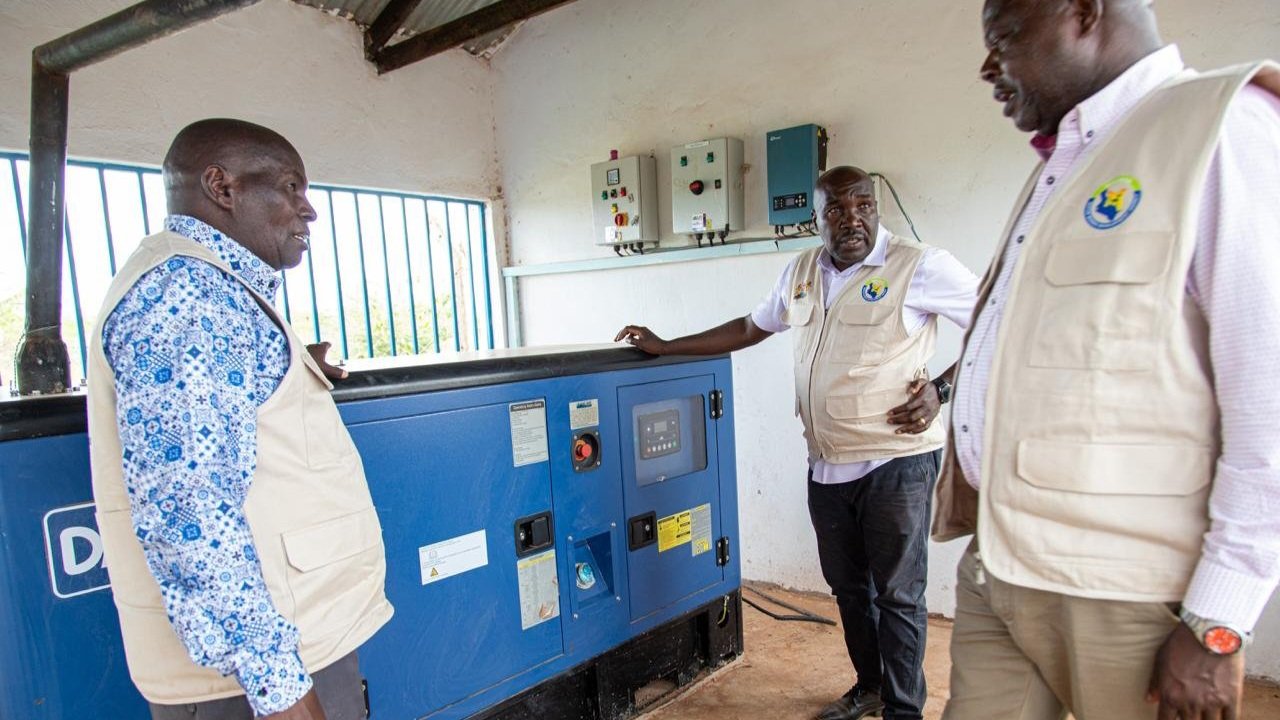

The State Department for Water and Sanitation has initiated a field review of regional supply assets across the northern utilities network. Principal Secretary State Department for Water and Sanitation Mr. Julius Korir led an inspection tour of the infrastructure assets grouped under the Dadantallai–Eldas–Jukala–Wardey Water Programme.
The site evaluations focused on checking structural field conditions and equipment metrics. Eldas Member of Parliament Hon. Adan Keynan Wehliye and Water Secretary Eng. Samuel Alima accompanied the administrative delegation during the assessment of the scattered networks.
Field inspections covered several distinct production assets, including the Jukala–Wardey, Languraa, Bilatulamin–Biad, Anole–Jigjiga, and Elnur Water Supply Projects. The technical assessment team observed operational realities on the ground across these primary installations.
The Northern Water Works Development Agency (NWWDA) remains responsible for the engineering execution and delivery of this regional infrastructure network.
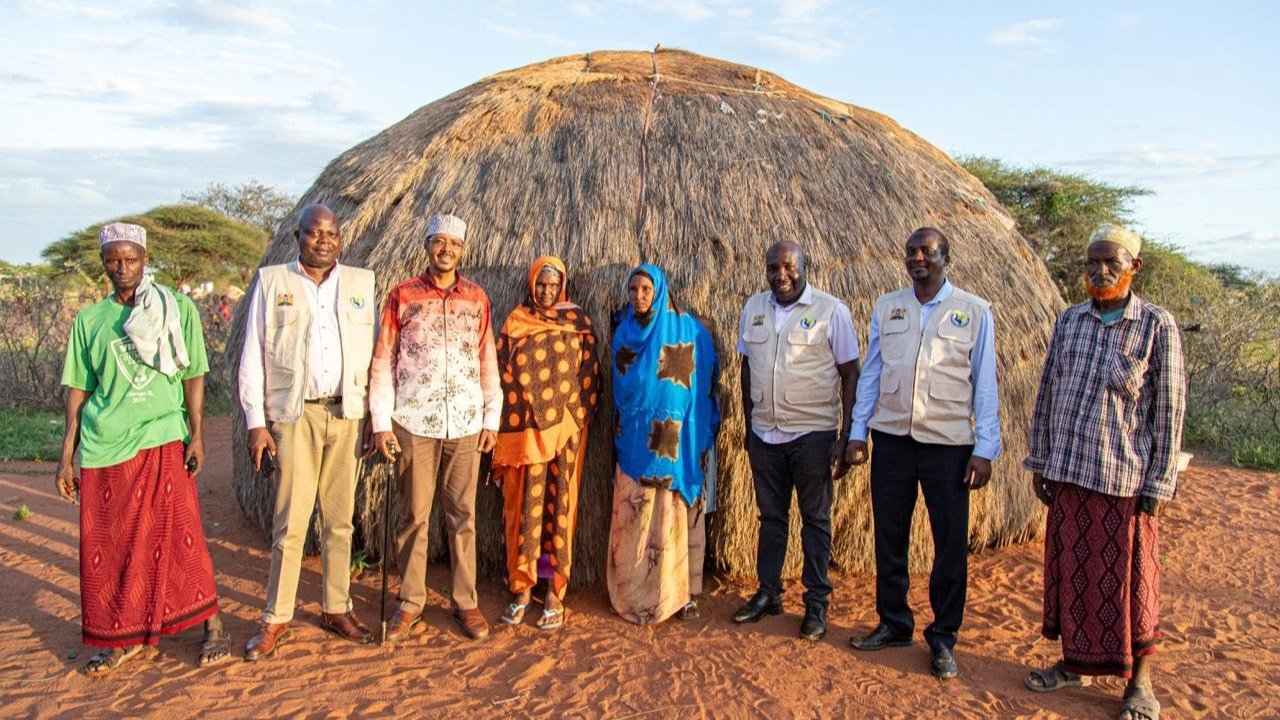
Following the field reviews, the ministry instructed NWWDA to fast-track the implementation of these new projects, aiming to establish reliable delivery baselines and achieve a swift turnaround time for area residents.
Operational long-term sustainability remains a key concern for the distributed network. The ministry called upon the county government to collaborate closely with the agency to enhance ongoing operations and maintenance.
Technical components visible during the inspection included a elevated steel water storage tank assembly mounted on a high structural frame, as shown in the reference file 239538.png. The team also reviewed heavy utility equipment, including a large blue diesel generator plant housed within a secure masonry control building, depicted in the reference file 239537.png.
A natural variation in community density across the supply zones requires distinct management frameworks. Local communities gathered at the respective sites during the visit, where officials reviewed how these centralized distribution points serve pastoral and rural settlements.
The engineering deployment relies on localized pumping and storage systems to maintain pressure across long pipeline distances. Future success depends on how the regional water works development agency transitions asset management to local authorities.
Comments (0)
Leave a Comment
No comments yet. Be the first to share your thoughts!