
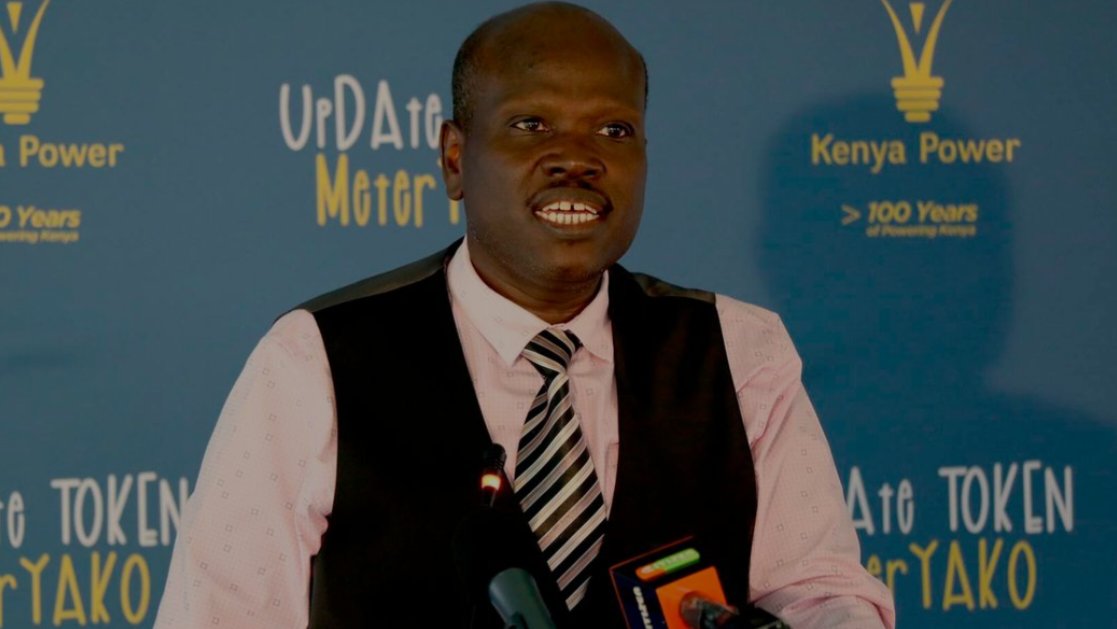

Kenya imported more electricity from Ethiopia and Uganda than its domestic wind farms produced during the latest review period. Data from energy authorities shows cross-border purchases rose significantly to meet domestic demand.
The Energy and Petroleum Regulatory Authority (EPRA) confirmed that foreign cross-border power purchases helped the national grid avoid forced rationing. State utility Kenya Power and Lighting Company (KPLC) relied on imported megawatts to bridge generation gaps.
Supplies from Ethiopia enter through the high-voltage transmission interconnect operated by Kenya Electricity Transmission Company (KETRACO). Cross-border power purchase agreements allow grid operators to stabilize voltage when local output fluctuates.
Hydroelectric power from Ethiopia Electric Power (EEP) delivered steady baseload capacity into the Suswa substation. Strong regional hydro output offset seasonal dips in domestic wind generation caused by unfavorable weather patterns.
Geothermal facilities remain the primary foundation of the local energy mix. However, high-volume imports pushed foreign electricity share ahead of local wind generation for the first time in recent performance tracking.
Uganda Electricity Transmission Company Limited (UETCL) also maintained scheduled cross-border exchanges with Kenya. These steady bilateral flows helped grid controllers maintain reserve margins during peak evening demand hours across urban centers.
Kenya Power and Lighting Company (KPLC) Chief Executive Officer Joseph Siror previously noted that grid diversification protects consumers from supply interruptions. Balancing multiple supply lines keeps system frequency steady during unexpected plant maintenance.
Wind energy facilities recorded lower overall output due to shifting wind patterns across primary generation fields. Facilities in Lake Turkana and regional wind farms operated below full installed potential during low-wind months.
The Kenya Electricity Transmission Company (KETRACO) line connecting Ethiopia to Kenya features a High Voltage Direct Current (HVDC) setup designed for bulk power transfers. The infrastructure carries up to 2,000 Megawatts (MW) of regional capacity.
Rising economic activity has steadily pushed national peak electricity demand above 2,200 Megawatts (MW). Expanding manufacturing zones and commercial facilities require a consistent supply, which local generation could not fully cover alone.
Grid operators curtailed brief portions of thermal and geothermal power to absorb cheaper regional imports. Energy sector regulations prioritize lower-cost generation options to keep overall bulk purchase costs under control.
Lower thermal dispatch reduced expensive fuel surcharge fees passed on to retail electricity customers. Tapping Ethiopian hydropower allowed grid managers to minimize expensive heavy fuel oil plant operations during peak periods.
The Energy and Petroleum Regulatory Authority (EPRA) noted that regional power trade under the Eastern Africa Power Pool (EAPP) continues to deepen. Shared transmission assets let member states trade surplus energy efficiently across borders.
Kenya plans to expand import capacity from Ethiopia to 400 Megawatts (MW) under existing long-term agreements. Additional transmission links will link regional markets, including future power exchanges with Tanzania through dedicated border interconnects.
Engineers at Kenya Electricity Transmission Company (KETRACO) monitor load balances around-the-clock to prevent overload risks. Integrating international power lines requires tight coordination between regional dispatch centers in Nairobi and Addis Ababa.
The operational shift underscores how regional integration is reshaping power supply across East Africa. Regional imports provide vital backup capacity while domestic renewable projects continue expanding across the country.
Comments (0)
Leave a Comment
No comments yet. Be the first to share your thoughts!