

Preparation for the next phase of the Standard Gauge Railway is moving into a high-gear phase, with official reports confirming that the groundbreaking ceremony for the Naivasha to Malaba via Kisumu line will take place on March 21. President William Ruto is scheduled to preside over the event, which signals the commencement of one of the most significant infrastructure undertakings in the country's recent history.
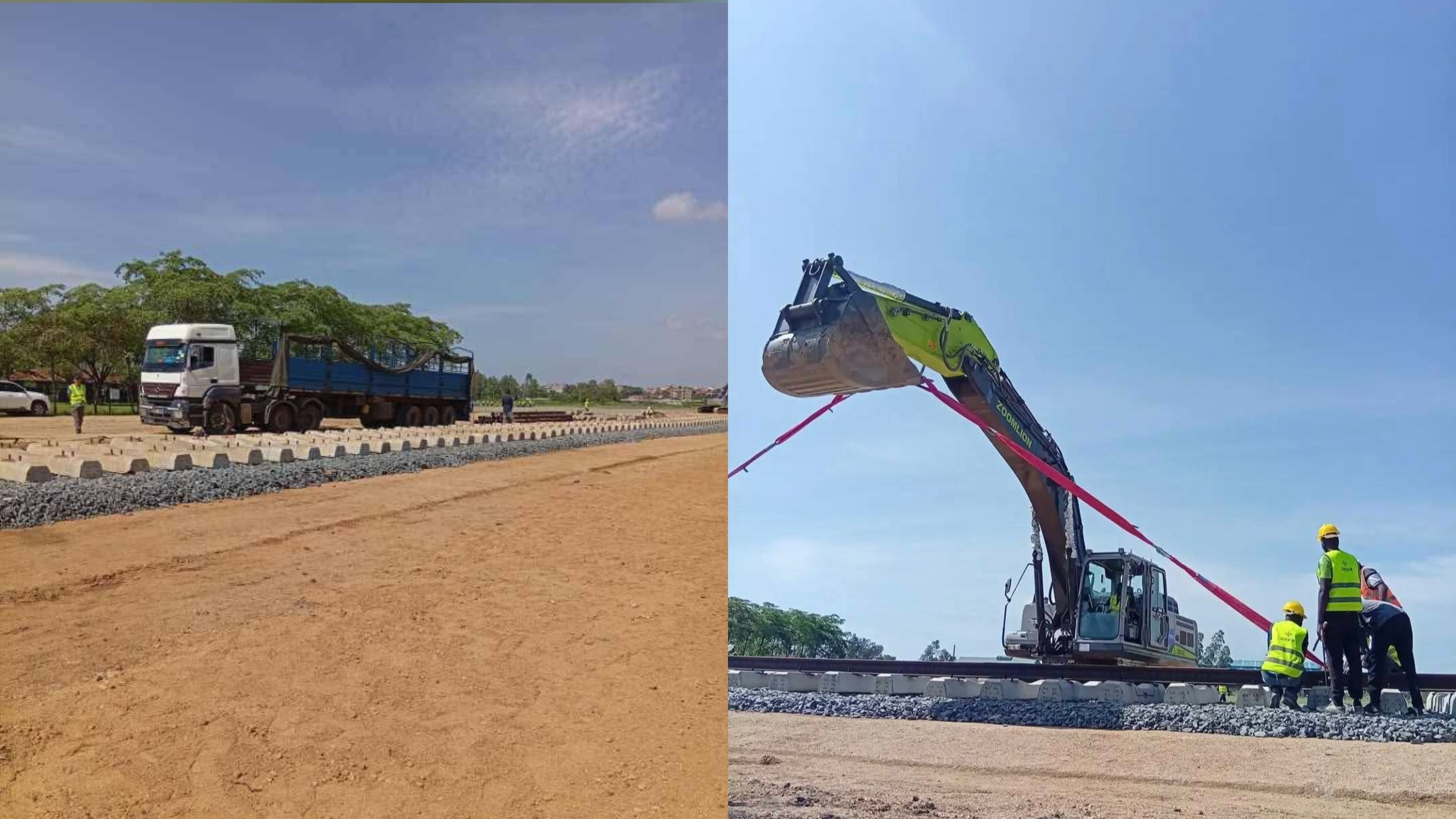
On-site activity has already intensified, as evidenced by the placement of inaugural tracks in readiness for the presidential visit. Heavy earthmoving equipment and specialized rail construction machinery have been deployed to the site, where technical teams are currently finalizing the preliminary layouts. This early mobilization suggests a push to maintain a strict construction schedule once the formal launch is concluded.
The extension is designed to link the existing terminus at Suswa, near Naivasha, to the border town of Malaba, with a critical spur reaching into the port city of Kisumu. This project seeks to address the logistical bottleneck that has existed since the completion of the Phase 2A section. By extending the modern rail system to the Western region, the government aims to streamline the movement of transit cargo destined for Uganda, Rwanda, and the Democratic Republic of Congo.
Engineering teams have been spotted conducting soil tests and clearing the corridor where the new line will sit. The logistical demands of the project involve moving thousands of tons of ballast, concrete sleepers, and steel rails to the various staging points. Local contractors are expected to play a supportive role in the earthworks and provision of materials, adhering to the standard local-content requirements for such large-scale public works.
The transition from the old meter-gauge system to the high-capacity SGR is a technical shift that requires precise alignment, particularly through the varied terrain of the Rift Valley and the highlands leading toward the Lake Victoria basin. The construction of bridges, viaducts, and tunnels will likely form the bulk of the complex engineering tasks in the coming months, although the immediate focus remains on the initial track-laying segment at the launch site.
While the previous administration completed the line from Mombasa to Suswa, the financing and implementation of the remaining sections faced various delays. The upcoming ceremony on March 21 represents a renewal of the original master plan to have a seamless SGR corridor from the Indian Ocean to the interior borders. This development comes at a time when regional competition for transit corridors is increasing, making the efficiency of the Kenyan northern corridor a priority for the Ministry of Roads and Transport.
Following the groundbreaking, construction is expected to proceed in stages. The technical specifications will match those of the Mombasa-Nairobi line, ensuring compatibility for locomotives and rolling stock across the entire network. With the inaugural tracks already being positioned, the visual progress serves as a signal to stakeholders that the extension is moving from the planning offices to the field.
Comments (0)
Leave a Comment
No comments yet. Be the first to share your thoughts!