
The landscape of technical education in Western Kenya is shifting as Sigalagala National Polytechnic moves forward with a series of high-capacity infrastructure projects. The institution, which dates back to 1950, is currently implementing a physical expansion strategy to accommodate a surge in student enrollment that now sees thousands of trainees admitted annually across more than 100 industry-aligned courses.
Central to this expansion is the delivery of 40 new classrooms designed to ease the pressure on existing facilities. Beyond these immediate additions, the polytechnic has finalized plans for a six-story high-rise block. This vertical development is expected to house an additional 72 classrooms, providing space for approximately 3,600 students. The complex is also slated to include administrative offices, potentially centralizing departmental operations that have faced congestion due to the institution's rapid growth.
These developments align with a broader national fiscal commitment to the Technical and Vocational Education and Training (TVET) sector. The Kenyan government has allocated approximately KSh 27 billion toward the modernization of TVET facilities across the country. For Sigalagala, which is ranked among the top-tier national polytechnics alongside Eldoret, Kabete, and Nairobi, this funding has been instrumental in upgrading essential specialized spaces. Recent works have focused on the refurbishment of technical workshops, science laboratories, and sanitary facilities to ensure training remains consistent with current labor market standards.
The growth in physical footprint mirrors the polytechnic's evolving academic mandate. Currently offering craft, diploma, and higher diploma qualifications, the institution has begun exploring degree-level partnerships, notably with Masinde Muliro University of Science and Technology. These collaborations serve as a precursor to long-term goals of attaining full university status, a transition previously seen in other high-performing Kenyan tertiary institutions.
While the primary focus remains on the completion of the high-rise classroom block and the modernization of existing workshops, the polytechnic is also investing in site improvements such as internal access roads and security installations. As enrollment continues to rise, the management has emphasized that infrastructure must keep pace with the Competency-Based Education and Training (CBET) curriculum, which requires significant workshop space for practical assessments.
Sigalagala National Polytechnic expands capacity with 72 new classrooms and high-rise block
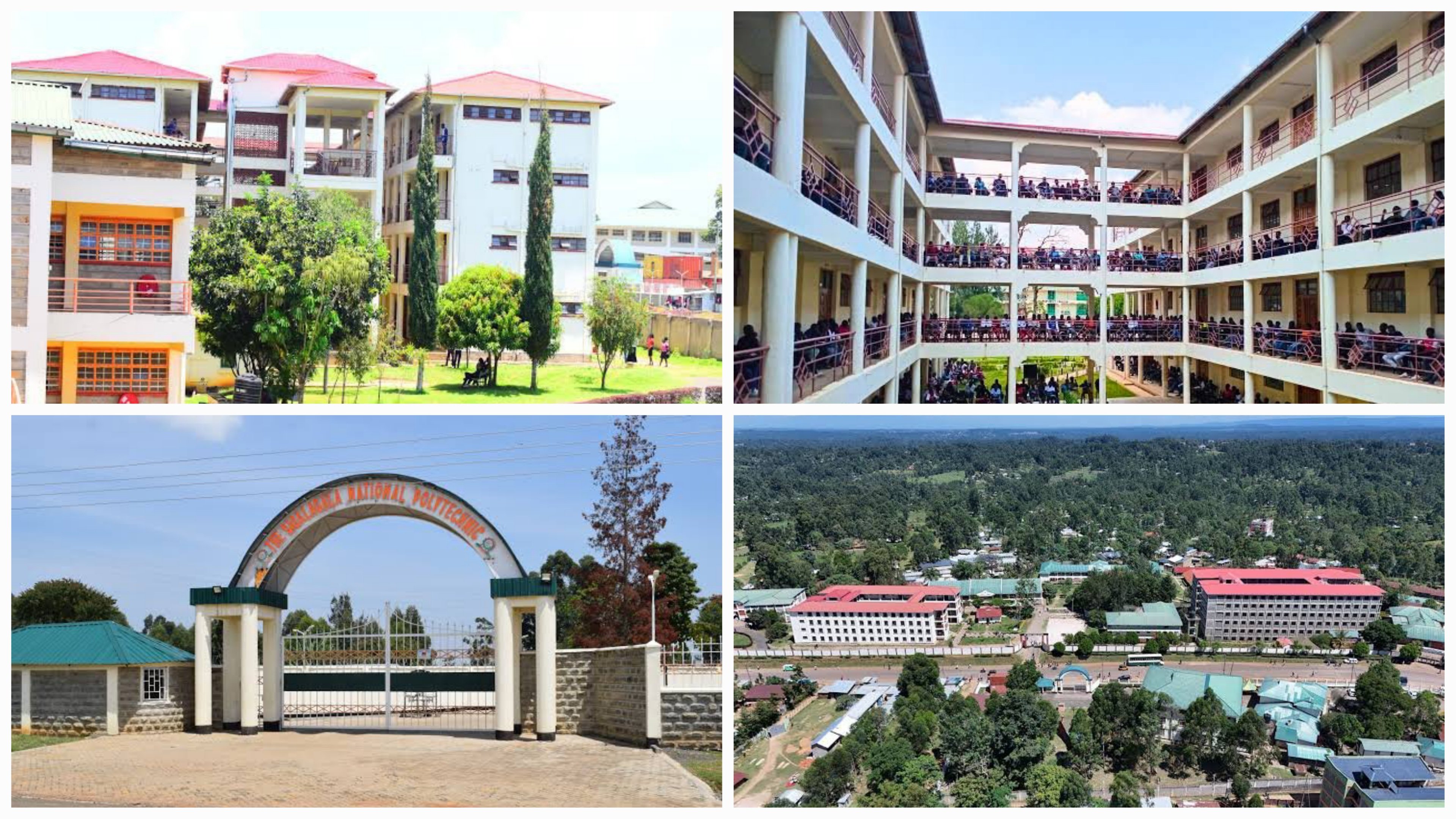
The ongoing construction of the new multi-story classroom and administration block at Sigalagala National Polytechnic, a key component of the institution's current infrastructure expansion.
|
Ignatious/X

Sigalagala National Polytechnic is undergoing a major infrastructure upgrade, including 40 new classrooms and a six-story complex, supported by a multi-billion shilling government investment in the TVET sector.
Comments (0)
Leave a Comment
No comments yet. Be the first to share your thoughts!