
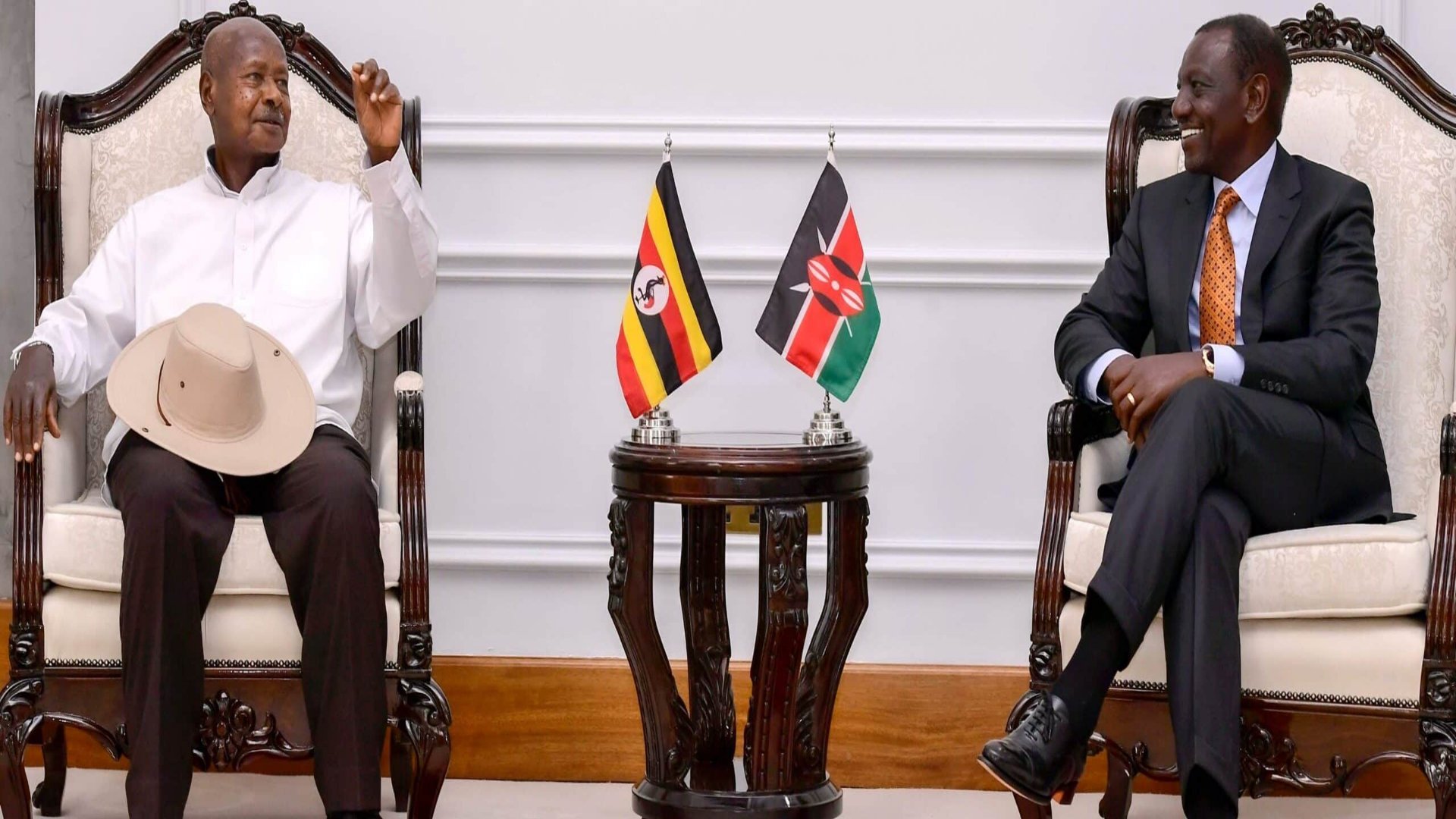

The East African Community (EAC), along with the governments of Kenya and Uganda and the African Development Bank (AfDB), has confirmed that the proposed Kisumu–Busia / Kakira–Malaba Multinational Expressway, measuring approximately 193 kilometers, is now a feasible and investment-ready project. This decision followed a Market Sounding Conference held in Kampala, Uganda, on October 20-21, where stakeholders met to structure the necessary funding.
As a crucial part of the Northern Transport Corridor, this expressway aims to transform regional trade by boosting commerce, enhancing cross-border integration, cutting travel time, reducing congestion, and ultimately lowering the cost of doing business in the region, moving the EAC closer to realizing a single connected market. The scope of work is divided, with Uganda planning a new 60-kilometer expressway from Jinja to Busesa and the dualling of the Busesa–Malaba and Busitema–Busia roads, while Kenya will focus on upgrading the Kisumu bypass and the Kimaeti–Lwakhakha road to modern bitumen standards.
Furthermore, the border posts at Busia, Malaba, and Lwakhakha are set to be upgraded into modern One Stop Border Posts (OSBPs) to ensure smoother clearance of goods and people. The project is slated for development under a Public-Private Partnership (PPP) model, which may include toll fees for sustainability. The plan views the expressway as a "smart corridor," integrating digital technology, road safety, social inclusion, and environmental sustainability, and is expected to generate jobs.
The route will travel from Kisumu through towns like Kisian, Mamboleo, Chiga, and Rabuon to Busia, before crossing into Uganda to pass through Tororo, Korosiondet, Bumbobi, Malakisi, and Lwakhakha, ultimately connecting to Mbale and Jinja.

This collaborative effort underlines a shared commitment to developing a modern and efficient transportation network within the East African Community, as the project is expected to become a blueprint for future cross-border developments.
The current reliance on the existing Northern Corridor often suffers from significant delays due to congestion and wear and tear. This new expressway aims to alleviate these persistent logistical bottlenecks, which have long plagued traders and transporters. Reducing transit time from the port of Mombasa to Uganda is a primary objective of the project planners. Faster cargo movement will translate directly into reduced business costs and improved supply chain predictability for industries in both Kenya and landlocked Uganda.
The 193-kilometer stretch will be a modern, dual-carriageway designed for high-capacity traffic flow. The road is being planned to meet international standards for speed and safety, while careful consideration is being given to minimizing the project's environmental footprint through sustainable design practices. The technical teams are meticulously planning the route alignment to avoid major settlements and sensitive ecological zones wherever possible. Engineers are also examining the feasibility of incorporating advanced technologies such as intelligent transport systems and toll collection infrastructure. These sophisticated systems will ensure the expressway operates efficiently and remains well-maintained for decades to come. Therefore, the technical preparatory work forms the foundation of this immense transnational undertaking.
Securing the necessary funding for a project of this scale requires innovative financial structuring and strong international partnerships. Both governments are actively exploring a blend of public-private partnership models and concessionary loans from multilateral development banks. Discussions involve several major international financial institutions and potential private sector investors eager to participate in Africa's infrastructure boom. The long-term financial viability of the expressway will be anchored in a user-pay toll system, ensuring a sustainable revenue stream for maintenance and debt repayment. This mixed financing approach spreads the risk and leverages global expertise to deliver a high-quality asset.
Comments (1)
Leave a Comment
James Ondari
Oct 22