

In the arid landscape of Maai Mahiu, Nakuru County, the traditional methods of fuel production are being challenged by a localized industrial shift. Under the intense sun, a group of women, identifiable by their practical headscarves and protective gear, are engaged in a labor-intensive process on open drying beds. Their daily routine involves the constant turning and aeration of sawdust, which serves as the primary raw material for a growing eco-friendly briquette enterprise.
The process begins with the collection of sawdust, a byproduct often discarded by the timber and construction industries. This waste material is spread across wide beds, where it must be moved, folded, and spread thin to ensure uniform moisture loss. This drying phase is critical, as any residual moisture can compromise the combustion efficiency of the final product. The physical repetition of this task highlights the manual nature of the operation, which relies heavily on the local climate to prepare the materials for compression.
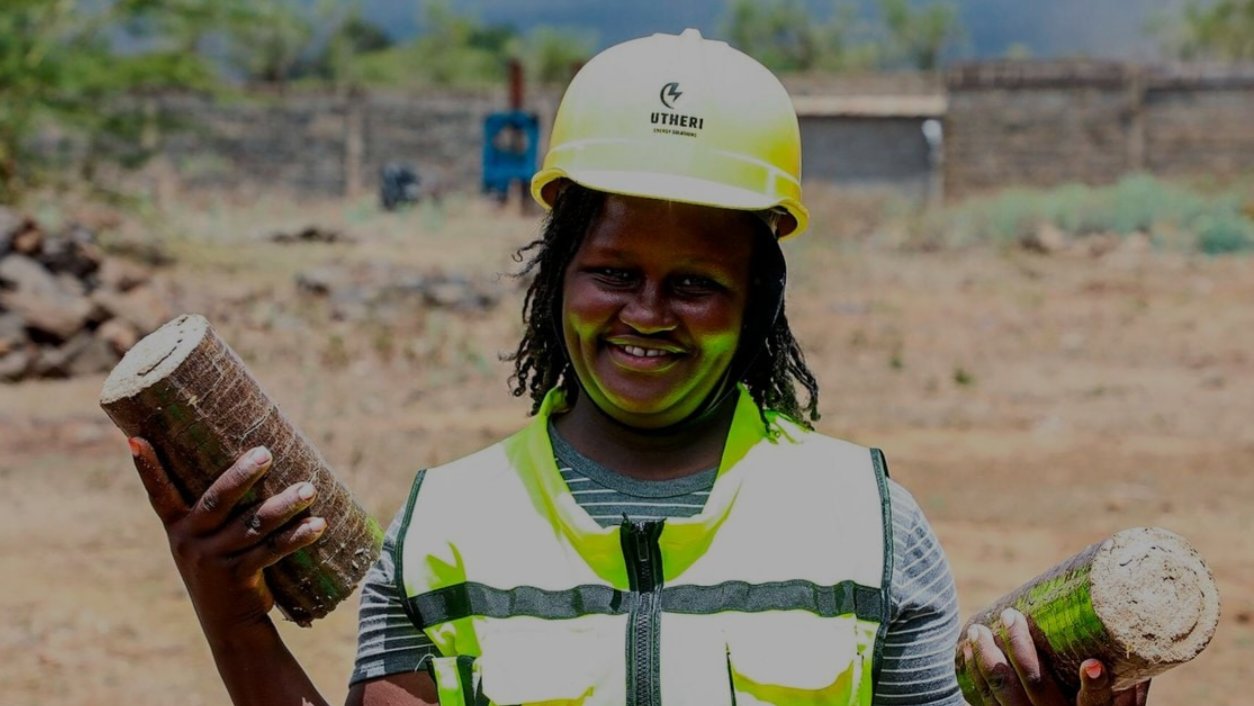
These briquettes represent a significant departure from traditional charcoal or firewood. By utilizing agricultural and industrial waste, the initiative reduces the pressure on local forests, which have historically been depleted for fuel. For the construction sector and residential developments in rural Kenya, these compressed blocks offer a more predictable and cleaner-burning energy source. The density of the briquettes allows for a longer, more consistent heat output, which is essential for both domestic cooking and smaller-scale industrial applications.
Beyond the environmental benefits, the project in Maai Mahiu serves as a model for decentralized energy production. Rather than relying on expensive, imported fuels or electricity grids that may be unstable in remote areas, this local collective creates a self-sustaining cycle. They transform a zero-value waste product into a marketable commodity, although the scale of production remains tied to the availability of raw sawdust and the capacity of their drying facilities.
The logistical chain of this operation is grounded in the geography of Nakuru County. As a transit hub for many construction materials moving toward the Rift Valley and Western Kenya, Maai Mahiu is strategically positioned. The success of the project hinges on the steady supply of timber waste, if the local sawmills continue to operate at current capacities. This symbiotic relationship between the timber industry and the briquette makers ensures that the waste stream is diverted before it becomes an environmental hazard or a fire risk at mill sites.
The women involved in the production have mastered the specific timing required for the drying process. If the sawdust is not turned regularly, it can clump, which prevents even drying and leads to poor-quality briquettes that crumble during transport. The motion of pushing, pulling, and folding the heaps is a refined skill, although it appears simple to an outside observer. Once the sawdust reaches the optimal moisture content, it is moved to the pressing phase, where mechanical force binds the particles into the dense cylinders that are eventually sold to the community.
This initiative is part of a broader movement toward circular economies within the Kenyan energy landscape. As the cost of traditional fuels continues to fluctuate, these localized alternatives provide a measure of price stability for residents. The briquettes are sold at a competitive rate, but they offer superior performance in terms of burn time when compared to standard charcoal. While the project is currently focused on the Maai Mahiu area, the scalability of such waste-to-energy models is becoming increasingly relevant for other regions facing similar fuel shortages.
As the industry matures, there is potential for further integration with larger construction projects that require onsite heating or specialized curing processes. The use of briquettes reduces the carbon footprint of these operations, although wide-scale adoption depends on consistent supply volumes. For now, the women of Maai Mahiu continue their work under the sun, turning waste into a resource that powers the local economy while protecting the surrounding environment.
Comments (0)
Leave a Comment
No comments yet. Be the first to share your thoughts!