
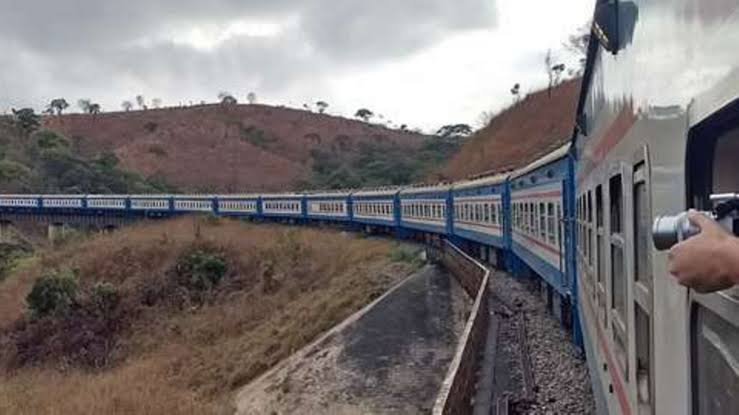

The government of Uganda has signaled a strategic shift in its regional logistics planning, initiating moves to establish a new railway connection through Tanzania. This development comes as Kampala seeks to diversify its exit and entry points for international trade, which have historically been dominated by the Northern Corridor through Kenya. Currently, the bulk of Uganda’s fuel, coffee, and mineral exports transit through the Port of Mombasa, arriving via a combination of road and the aging meter-gauge rail system.
Authorities in Kampala have indicated that the proposed link would connect Uganda’s planned Standard Gauge Railway (SGR) network to the Tanzanian central line. This transition is viewed by trade experts as an attempt to mitigate the risks of over-reliance on a single trade route. While the Kenyan route is shorter for many parts of Uganda, periodic bottlenecks at the Mombasa port and logistical delays along the highway have prompted a search for more predictable alternatives.
Tanzania has been aggressively marketing its Central Corridor as a viable competitor to Kenya. The Tanzanian government is already well into the construction of its own SGR project, which is designed to eventually link the port of Dar es Salaam to Mwanza on Lake Victoria and onward to Rwanda and Burundi. By tapping into this network, Uganda would gain a direct line to the Indian Ocean through a different maritime gateway, potentially lowering the cost of doing business through increased competition between the two coastal neighbors.
The technical implications for such a project involve harmonizing rail specifications and ensuring seamless border crossings. For years, the East African Community has discussed a regional SGR protocol to ensure that all member states utilize the same technical standards, such as the 1,435mm standard gauge width and specific axle load capacities. Uganda’s decision to prioritize the link toward the south suggests that the Tanzanian project’s progress has become a significant factor in Kampala’s infrastructure spending priorities.
In the past, Uganda and Kenya had a joint agreement to build a synchronized SGR line from Mombasa to Kampala. However, the project stalled after the line reached Naivasha in Kenya, leaving a significant gap between the Kenyan railhead and the Ugandan border at Malaba. Funding challenges and shifting diplomatic priorities have slowed the extension. By looking toward Tanzania, Uganda is positioning itself to play two of the region's largest economies against each other to secure the most efficient transport terms.
The construction of a southern route would likely involve a combination of rail and lake transport. Historically, goods have moved from the Port of Bell and Bukasa in Uganda across Lake Victoria to Mwanza in Tanzania. A dedicated rail link would modernize this corridor, replacing slow ferry movements with high-speed freight trains. Such a move would require substantial capital investment, but proponents argue that the long-term benefits of a dual-gateway system outweigh the initial construction costs.
Regional analysts suggest that this pivot is as much about economic security as it is about transport capacity. During times of political or social unrest in Kenya, Uganda has faced significant fuel shortages and commodity price spikes. Having a functional, high-capacity alternative through Tanzania would provide a safety valve for the Ugandan economy. It also puts pressure on Kenyan authorities to expedite the remaining sections of the SGR from Naivasha to the Malaba border to remain the preferred partner for landlocked neighbors.
As the plans progress, the focus will turn to the procurement of contractors and the securing of multi-billion dollar loans. Uganda has previously engaged with various international financiers, and the move toward Tanzania may open new avenues for partnership. The success of the project will depend on the speed of Tanzanian construction and Uganda's ability to finance its portion of the track. If successful, the new rail link will mark the most significant change in East African trade geography since the colonial era.
Comments (0)
Leave a Comment
No comments yet. Be the first to share your thoughts!