

A version of this article appeared on Nation Africa.
Delegates from 53 nations have converged in Colombia to tackle the most contentious issue in global climate policy: the total phaseout of fossil fuels. The meeting serves as a critical precursor to the COP29 summit in Baku, Azerbaijan, where the future of global energy infrastructure will be debated under intense international scrutiny.
The gathering in Colombia represents a growing coalition of countries pushing for a legally binding timeline to transition away from coal, oil, and gas. While previous climate agreements have used cautious language regarding "abated" fossil fuels, this group is looking to establish a more aggressive and clear-cut exit strategy.
For the construction and infrastructure sectors, particularly in developing regions like Kenya, the outcome of these talks carries heavy weight. A global shift away from fossil fuels necessitates a complete overhaul of transport networks, power grids, and industrial manufacturing processes.
President Ruto has frequently advocated for a transition that acknowledges the unique financial hurdles faced by African nations. Kenya has positioned itself as a regional leader in green energy, yet the transition requires massive capital investment to replace traditional fuel-burning systems with renewable alternatives.
The discussions in Colombia are focused on the "how" of the phaseout. Participants are examining the financial mechanisms required to support nations that remain heavily dependent on fossil fuel revenues or those that rely on cheap coal for industrial expansion.
Experts at the meeting suggest that without a clear financial package, many developing states will struggle to abandon existing fossil fuel projects. The pressure is mounting to ensure that the COP29 summit in Baku does not result in another series of vague promises but instead produces a concrete execution plan.
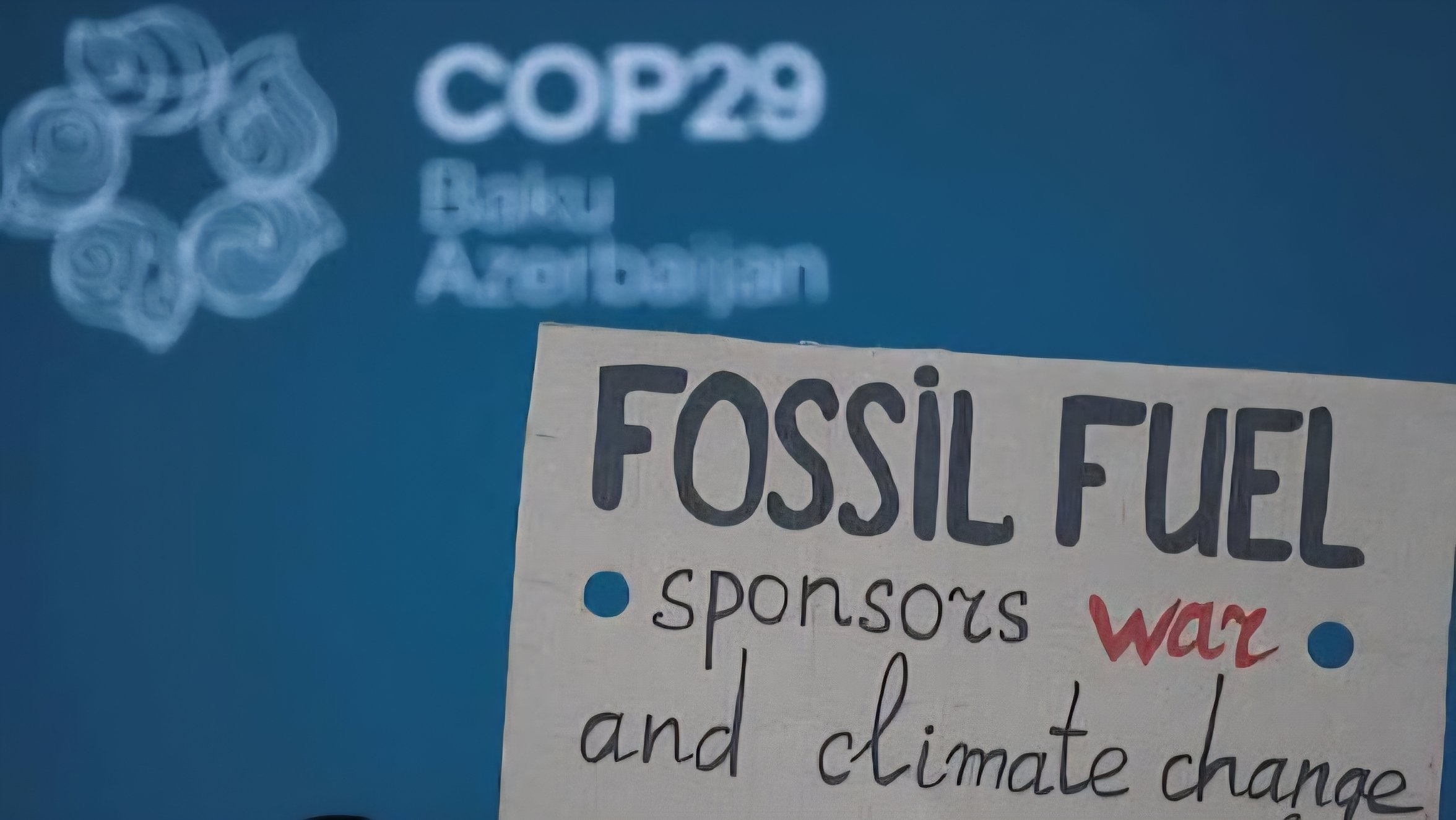
Activists outside the venue have highlighted the link between fossil fuel extraction and global instability. Protesters carried signs suggesting that the industry sponsors both war and climate change, a sentiment that is increasingly finding its way into the rhetoric of diplomatic negotiations.
The infrastructure required to support a post-oil world is staggering in scale. It involves not just solar and wind farms, but the development of massive battery storage facilities and the retrofitting of existing buildings to meet zero-emission standards.
As the 53 nations work through the details, the eyes of the global construction industry remain on the potential for new, green-focused contracts. The transition is no longer just an environmental goal; although it remains the primary driver, it is now a fundamental shift in how global trade and infrastructure are planned.
The final document from the Colombia talks will likely form the backbone of the "Baku Breakthrough" that many hope to see later this year. However, the path to a unanimous agreement remains difficult, as major oil-producing nations continue to resist a rapid exit from the sector.
With COP29 approaching, the pressure on these 53 nations to lead by example has never been higher. Their ability to find common ground in Colombia will determine whether the world is truly ready to move past the age of oil.
Comments (0)
Leave a Comment
No comments yet. Be the first to share your thoughts!