
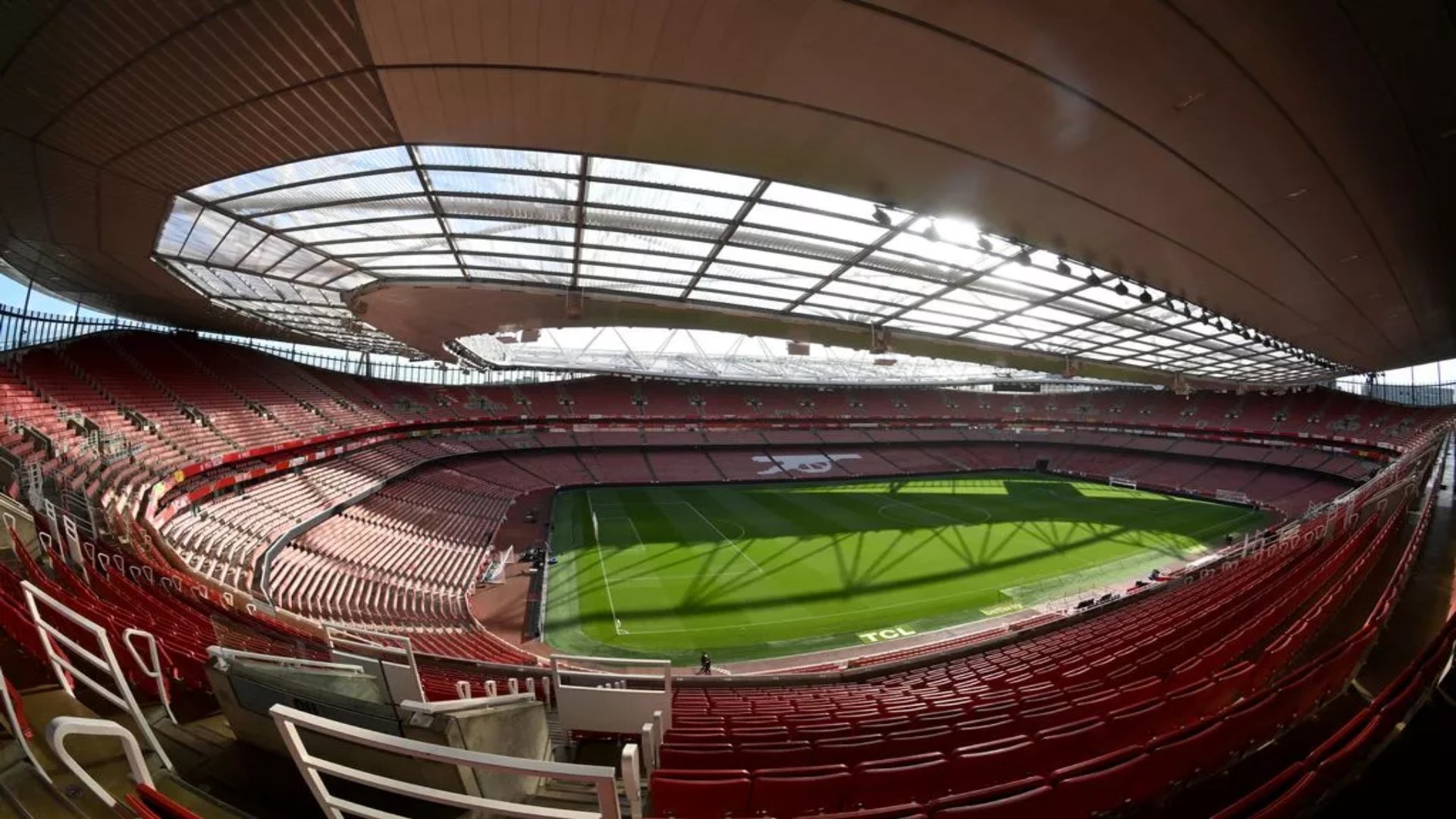

Arsenal Football Club is charting a bold course for the future of their iconic home. The club has unveiled significant plans to expand the capacity of the Emirates Stadium, according to recent reports from mirror.co.uk. This huge project aims to increase the seating from its current 60,700 to a figure well over 70,000. The move is highly ambitious and carries considerable significance in the fiercely competitive capital. If successful, the Emirates would become the largest club ground in London, surpassing the capacity of the Tottenham Hotspur Stadium. The stadium belonging to their North London rivals currently accommodates 62,850 fans, but Arsenal intends to take the crown. This declaration signals renewed commercial intent from the Gunners.
Supporters have been given a tantalizing glimpse into this potential future. AI-generated images, produced by OLBG, showcase a stadium that closely resembles the existing architecture, but with key structural changes. The most notable alteration involves expanding the space between the current tiers. This engineering feat would create room for an additional ten thousand spectators. The exterior of the ground is also set for a major facelift. The iconic Arsenal cannon would be brightly illuminated on a modern glass façade, gleaming in vibrant neon lights. Furthermore, the designs include a new dedicated entrance situated beneath the existing structure. This addition would streamline the flow of home fans, helping them quickly and easily locate their seats. Although these images are conceptual and do not represent the final blueprints, they have certainly ignited excitement among the global fanbase. The reaction shows the level of anticipation.
The sheer demand for match tickets underscores the necessity of this expansion. The club currently maintains a season ticket waiting list that is believed to exceed 100,000 people. This number vividly demonstrates the fervent loyalty and high interest in seeing the Gunners play live. The project, however, will be far from straightforward. It is described as a complex, long-term undertaking, demanding meticulous planning and execution. Almost every section of the stadium will require some form of addition or alteration. Many parts will necessitate gradient changes and adjustments to the seating layout simply to incorporate the dramatic increase in capacity. While the club avoids the need to build a completely new stadium, the financial commitment is still substantial. The expected cost of the renovation is projected to reach hundreds of millions of pounds. This investment highlights the seriousness of the club’s intentions.

Arsenal is not approaching this challenge in isolation, as they are looking to European footballing royalty for guidance. The club is reportedly drawing ideas from the massive renovation of Real Madrid’s Santiago Bernabeu. The Spanish powerhouse successfully increased its capacity to 83,000, which has subsequently led to a significant boost in commercial revenue. Similarly, FC Barcelona is in the midst of its own monumental project, working to expand the Nou Camp to a staggering capacity of 105,000 spectators. These precedents show how stadium modernization can enhance both the matchday experience and the club's financial might. They offer a blueprint for success.
A significant logistical puzzle remains concerning where Arsenal will play their home matches while construction is underway. One possibility involves temporarily relocating to Wembley Stadium, a path previously taken by Tottenham Hotspur. Spurs played their home fixtures at the national stadium for nearly two years during the construction of their new ground. This arrangement reportedly came with a hefty price tag of around £15 million. Arsenal would need to negotiate a similar agreement with the Football Association. Securing Wembley, however, is complicated by its extremely busy schedule. The stadium routinely hosts England national team games, major cup finals, NFL events, and large-scale music concerts. Finding a long-term slot for Premier League football would be a considerable challenge. The club will need a clear strategy to overcome these hurdles.
The Emirates Stadium has served as Arsenal’s home since its official opening on October 26, 2006, ending the club's 93-year residency at Highbury. The original planning permission for the move was granted back in May 2002. Now, two decades later, the stadium is set for its next phase of development. This expansion is an outward symbol of Arsenal’s aspirations. It reflects their desire to compete at the highest level both on the pitch and in the global commercial landscape of football. The club is laying the groundwork for a future where more fans can be part of the matchday atmosphere. The 70,000 dream is moving closer to becoming a reality.
Comments (0)
Leave a Comment
No comments yet. Be the first to share your thoughts!