
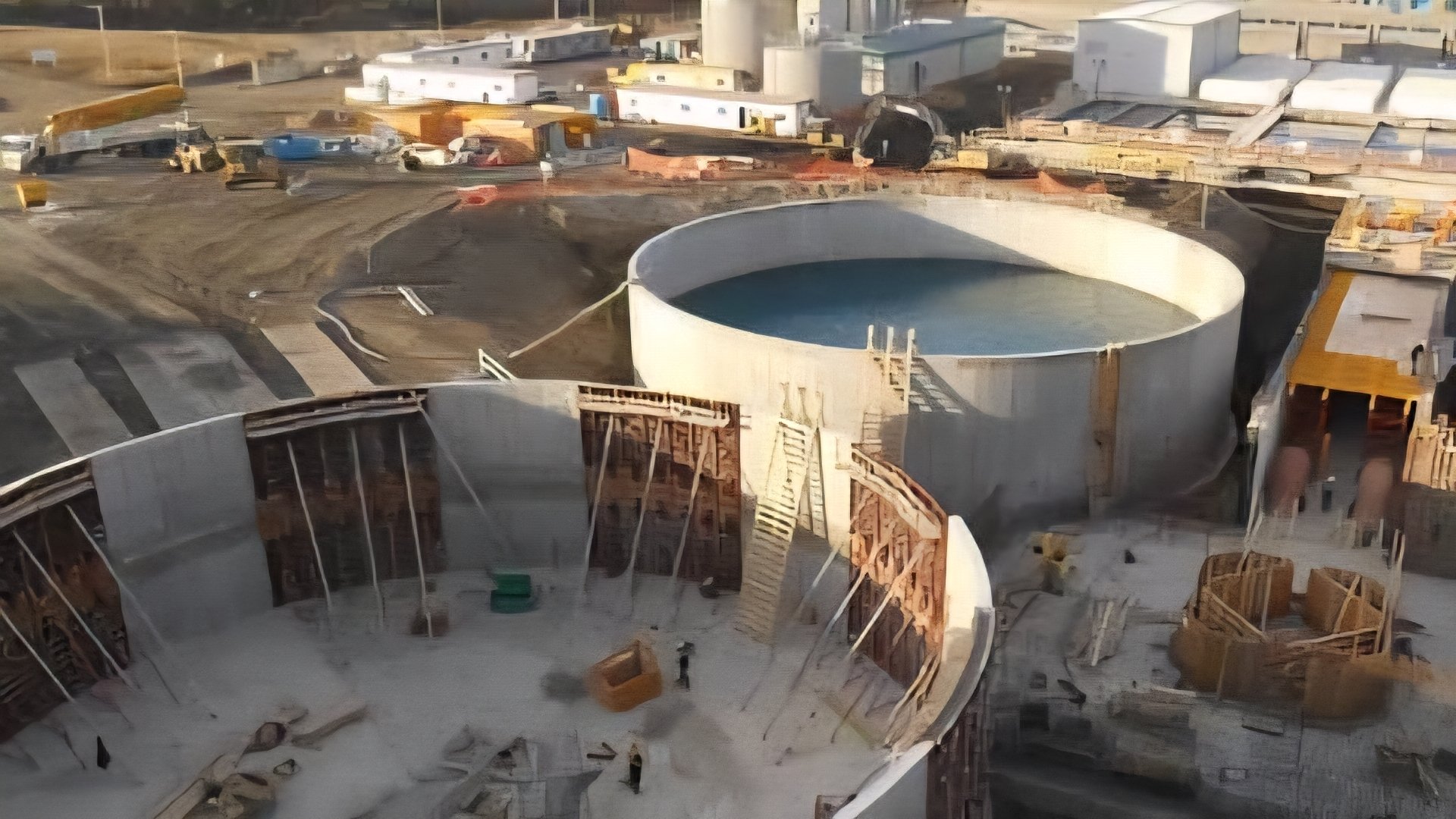

The African Union has formally adopted a new continental theme for 2026, focusing on the expansion of water availability and the modernization of sanitation systems. This decision was ratified during the 39th Ordinary Session of the Assembly of Heads of State and Government, which took place in Addis Ababa this February. The move aligns with the long-term goals of Agenda 2063, aiming to stabilize water security and improve public health through large-scale engineering works.
For the construction sector, this shift signifies a redirection of capital toward civil engineering and utility projects. Member states are expected to prioritize the development of dams, irrigation networks, and wastewater treatment plants to meet the AU’s mandate. The theme, "Ensuring Sustainable Water Availability and Safe Sanitation Systems to Achieve the Goals of Agenda 2063," serves as a policy framework for national budgets across the continent.
Water insecurity remains a critical bottleneck for economic growth in many African regions. By elevating this issue to the primary focus for 2026, the AU is pressuring governments to address the infrastructure deficit. This involves not only new builds but also the rehabilitation of aging pipe networks that currently suffer from high leakage rates. Engineers and contractors specializing in hydraulic works are likely to see increased procurement activity as states move to formalize their 2026 project pipelines.
Climate resilience is a central pillar of this new directive. As weather patterns become more volatile, the AU is pushing for infrastructure that can withstand extreme droughts and flooding. This requires a shift toward more sophisticated design standards, including integrated water resource management systems. Many of these projects will likely involve cross-border cooperation, particularly where shared river basins necessitate joint investment in hardware and monitoring technology.
The sanitation aspect of the mandate is equally significant for the built environment. In many urban centers, the growth of informal settlements has outpaced the development of centralized sewage systems. The 2026 theme encourages the deployment of both large-scale treatment facilities and decentralized sanitation solutions. For the construction industry, this means a diverse range of opportunities, from laying kilometers of trunk sewers to constructing modular treatment plants in underserved areas.
The financial implications of this AU declaration are expected to be substantial. Multilateral lenders and development banks often align their funding cycles with the AU’s annual themes. By highlighting water and sanitation, the Assembly is effectively signaling to the global investment community where the demand for technical expertise and equipment will be highest. This should facilitate easier access to credit for major water-related infrastructure ventures.
In Kenya, where the government has already been seeking private-sector partnerships for dam construction, this continental focus provides additional political momentum. The Ministry of Water and Sanitation is likely to use this AU mandate to fast-track pending projects, aiming to showcase progress by the time the 2026 theme officially commences. The focus on safe sanitation systems also aligns with ongoing urban renewal programs in Nairobi and Mombasa, where sewage coverage remains a priority.
While the policy provides a high-level roadmap, the success of the 2026 theme will depend on the execution of specific man-hours and the procurement of specialized machinery. The technical requirements for modern water systems demand high-quality materials and rigorous project management. As 2026 approaches, the construction industry will be tasked with turning these diplomatic goals into physical infrastructure that can serve the continent for the next several decades.
The transition toward sustainable water systems also involves a significant digital component. Smart metering and automated flow control are becoming standard in new utility projects to prevent waste. Contractors who integrate these technologies into their offerings will be better positioned to win tenders under the new AU-backed initiatives. This modernization is essential if the continent is to reach the milestones set out in the Agend s 2063 document.
Comments (0)
Leave a Comment
No comments yet. Be the first to share your thoughts!