
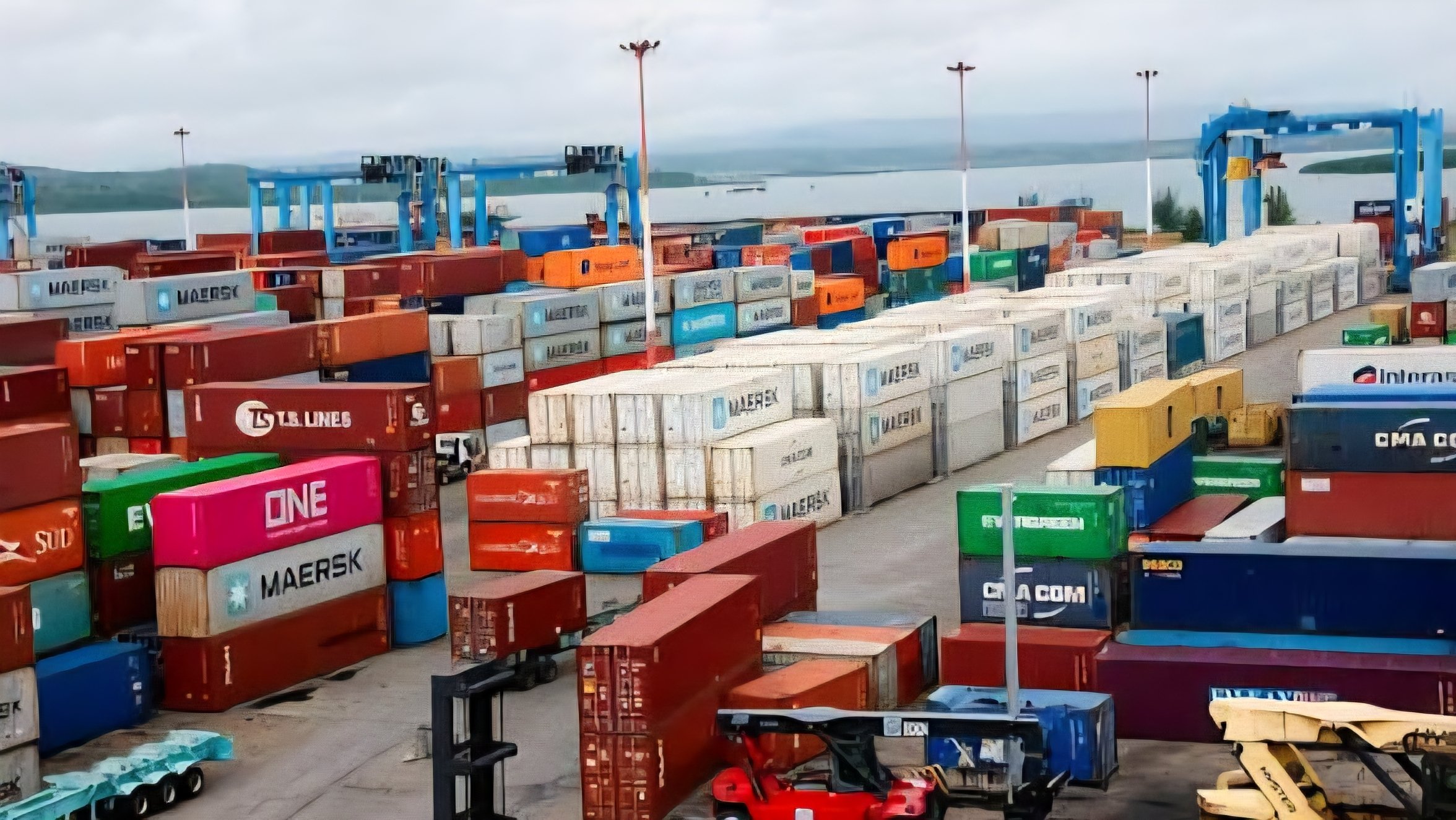

Fears of significant cargo clearance delays are resurfacing at the Port of Mombasa as several state agencies, previously removed to streamline operations, return with new verification requirements. The shift follows a period where streamlined processes had successfully reduced average clearance times from six days to approximately 48 hours.
The Kenya Nuclear Regulatory Authority (KNRA) has announced that mandatory screening for radioactive materials will be implemented for all cargo entering or exiting Kenyan ports starting May 1, 2026. This move introduces a new layer of compliance for importers and exporters already navigating a complex logistics environment.
Industry groups, including the Shipper Council for Eastern Africa (SCEA), have expressed concern that the presence of more agencies will lead to a duplication of roles. They argue that the return of these bodies reverses a 2020 directive that limited port interventions to a few core entities.
Under that previous arrangement, the Kenya Ports Authority (KPA), Kenya Revenue Authority (KRA), and Kenya Bureau of Standards (KEBS) were the primary agencies handling cargo. The reduction in personnel was credited with easing congestion and lowering the cost of doing business at the gateway.
However, the number of agencies operating at the port has reportedly grown again, with entities such as the National Environment Management Authority (NEMA), the Kenya Plant Health Inspection Service (Kephis), and the Anti-Counterfeit Authority re-establishing their presence.
The return of these agencies coincides with a period of high throughput for the port. In 2025, Mombasa handled 45.45 million tonnes of cargo, representing a 10.9% increase from the previous year. Stakeholders worry that the current logistics infrastructure may struggle to maintain this momentum if manual interventions increase.
President Ruto has previously emphasized the need to consolidate digital frameworks on the e-Citizen platform to remove silos and harmonize different systems. While the government aims to enhance security and revenue collection through these agencies, clearing agents remain wary of potential system downtimes and bureaucratic bottlenecks.
The SCEA has noted that a multiplicity of agencies often leads to additional levies and overlapping permits. These hurdles are seen as non-tariff barriers that could undermine Kenya's competitiveness against regional rivals like the Port of Dar es Salaam.
To address these challenges, the KPA has been investing in the automation of gates and the expansion of berths. The authority is currently working to upgrade the Terminal Operating System to handle higher volumes, but physical inspections by various state bodies remain a point of friction.
For traders, the primary concern is the potential for increased storage and demurrage charges if cargo is held up for extended verification. Logistics firms are calling for a more coordinated approach where all government interventions are resolved within a predictable timeframe to ensure the port remains a reliable hub.
Comments (0)
Leave a Comment
No comments yet. Be the first to share your thoughts!