

Uganda has confirmed 20 Ebola cases with two deaths while the Democratic Republic of Congo reports over 1,000 cases. Kenya shares borders and high-volume travel routes with both countries yet faces criticism over limited public details on isolation infrastructure.
The National Transport and Safety Authority and health authorities have not publicly listed the locations of 22 designated isolation facilities announced by Cabinet Secretary Aden Duale. A search on the Ministry of Health website yields no clear guidance on where suspected cases should go.
Kenyatta National Hospital operates an eight-bed isolation and treatment unit. The facility can expand and is managed by an infectious disease specialist. Additional capacity includes 49 beds at the National Police Service Hospital that can be activated when needed.
Health officials have shifted emphasis to referral hospitals across counties. An affidavit from CS Duale states that isolation and quarantine wards are being prepared at referral hospitals and facilities run by police and the armed forces. Specific timelines and progress details remain scarce.
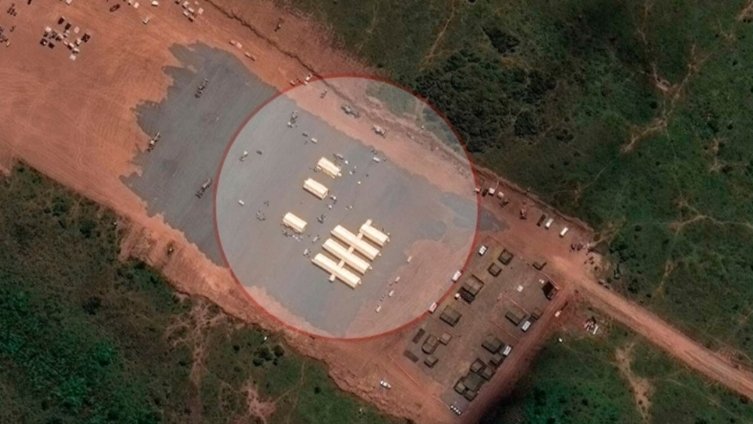
A US-backed field hospital at Laikipia Air Base has drawn attention. Satellite images show tents and vehicles at the site. The facility is intended for observation of American nationals with high-risk exposure rather than general Kenyan use. The project has faced court challenges over lack of public participation and transparency.
Cross-border movement raises particular risks along Lake Victoria. Fishermen from Kenya and Uganda interact daily on the water with shared equipment and no formal health checkpoints. The lake shoreline spans multiple Kenyan counties including Kisumu, Siaya, Homa Bay and Migori.
Ebola spreads through direct contact with bodily fluids of infected people or contaminated materials. The current Bundibugyo strain has no licensed vaccine. Proper isolation facilities require screened entry zones, unidirectional patient flow, dedicated PPE donning and doffing areas, and safe waste management systems.
WHO guidance stresses community engagement for acceptance of isolation sites. Facilities need flat secure land with water and power access plus room for expansion. Kenya has not yet demonstrated that its designated centres meet these standards publicly.
The regulations also cover salvage vehicles and modified cars in other sectors but the core concern remains health infrastructure. Motorists and the public await clearer information on where to seek care if symptoms appear after travel from affected areas.
Comments (0)
Leave a Comment
No comments yet. Be the first to share your thoughts!