
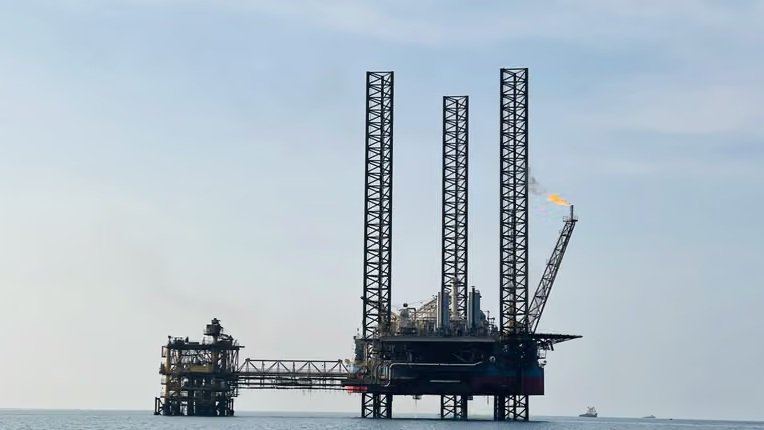

Nigeria expects to secure between $30 billion and $50 billion in fresh offshore oil and gas capital by 2030. The projected capital injection spans 22 major offshore projects slated to begin production over the next four years.
The Nigerian Upstream Petroleum Regulatory Commission (NUPRC) confirmed that regulatory overhauls are driving the pipeline of upstream developments.
Since 2024, the regulator has approved over $57 billion in Field Development Plans (FDP), with several ventures already progressing toward Final Investment Decisions (FID).
The push arrives as the country moves to counter years of reduced capital allocation, output decline, and pipeline vandalism.
Regulatory reforms under the Petroleum Industry Act (PIA) have aimed to restore investor certainty through faster approval cycles and fiscal stability.
Deepwater developments remain central to the strategy. Offshore reserves offer significantly higher yields while avoiding the security disruptions and theft that frequently impair onshore production facilities and pipeline networks.
The regulatory framework is also expanding downstream tie-in facilities. Beyond direct field development, state authorities are expanding gas gathering systems, processing plants, and cross-country export infrastructure to eliminate capacity bottlenecks.
To optimize capital expenditure, the regulator is promoting open-access models, shared processing infrastructure, and field tiebacks. These shared operational frameworks aim to cut development costs and accelerate project delivery timelines for offshore operators.
The capital drive aligns with broader national production targets. Nigerian officials aim to scale crude output to 2 million barrels per day by 2027, ultimately targeting 3 million barrels per day by 2030.
Licensing rounds conducted since 2022 have steadily expanded active exploration acreage across the continental shelf. The 2025 Licensing Round saw 31 companies secure 37 prospective oil and gas blocks, with preparations already underway for the 2026 allocation round.
Authorities emphasize that securing long-term upstream investment is crucial for regional energy stability.
While global energy transition debates continue, expanding natural gas and crude extraction remains vital for domestic revenue and infrastructure expansion.
Industry analysts note that sustained capital execution will depend on policy stability. Maintaining momentum across all 22 targeted offshore projects remains essential if the nation is to meet its 2030 output goals.
Comments (0)
Leave a Comment
No comments yet. Be the first to share your thoughts!