
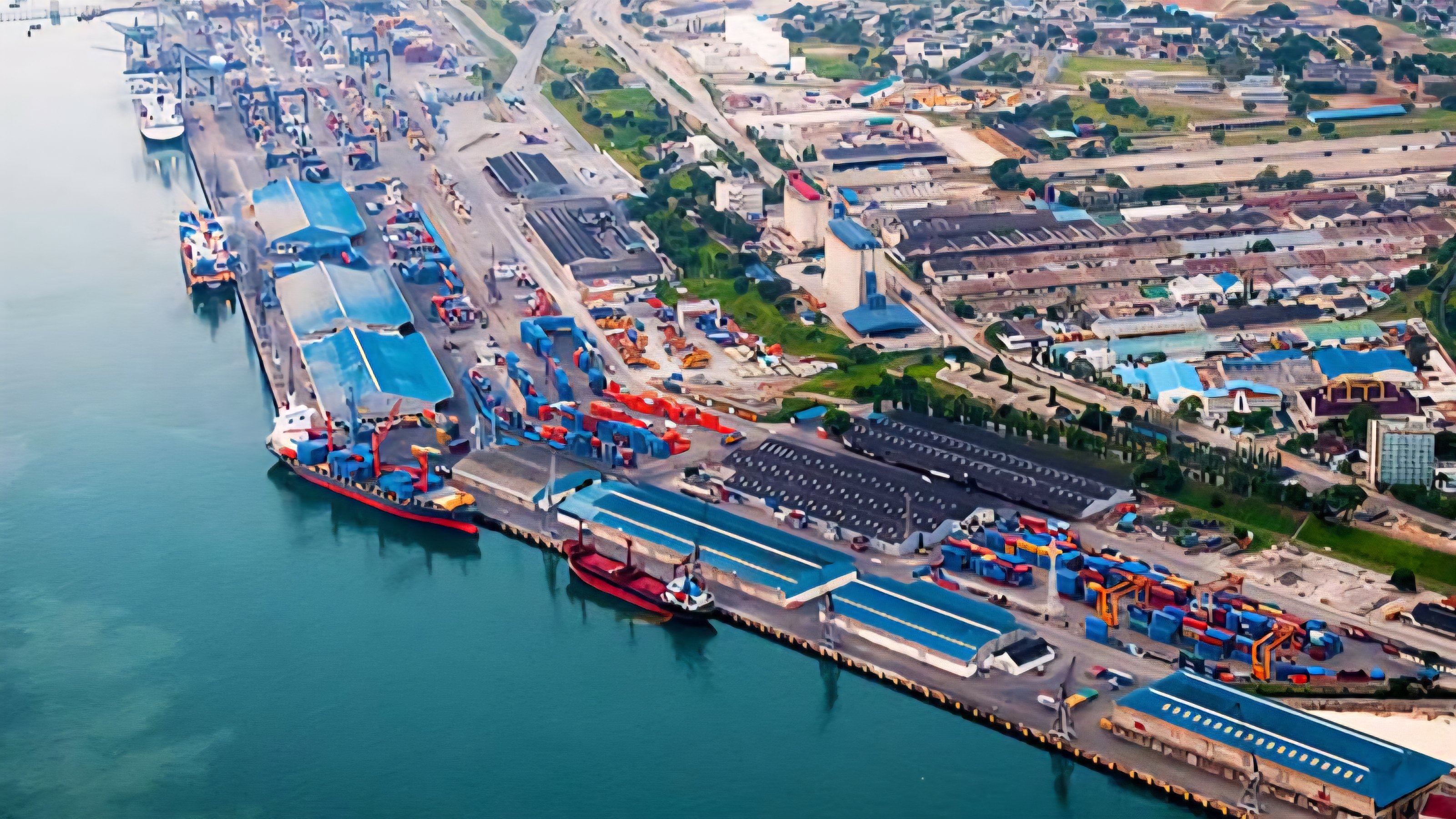

Tanzania Petroleum Development Corporation (TPDC) and Uganda National Oil Company (UNOC) signed a strategic memorandum of understanding with Vitol Bahrain, establishing a joint development framework for a major regional energy hub at the coastal port of Tanga.
The agreement was signed during an official state visit, where President Samia Suluhu Hassan and Ugandan President Yoweri Museveni witnessed the formal proceedings in Dar es Salaam. Officials indicated that total investments could top $20 billion.
The proposed complex features a crude oil refinery alongside an extensive tank farm designed for storing and loading refined products. Plans also encompass a bulk liquid marine jetty and a multiproduct pipeline designed to move processed fuels back into landlocked Uganda.
The strategic development builds directly upon the existing 1,443-kilometer East African Crude Oil Pipeline (EACOP), which terminates at the Chongoleani marine terminal in Tanga. Uganda expects to begin pumping crude oil from its western Lake Albert oilfields later this year.
Energy analysts note that adding downstream refining infrastructure allows both partner nations to capture greater commercial value from domestic oil fields. This integrated approach reduces long-term reliance on raw crude exports, while creating a centralized fuel distribution base for Central and East Africa.
Vitol Bahrain, a subsidiary of the global commodities trading firm Vitol, brings significant financial resources to the multi-billion-dollar effort. The trader previously executed a $2 billion supply financing arrangement with UNOC, when it secured exclusive rights to supply petroleum products directly to Uganda.
Tanzanian Energy Minister Deo Ndejembi emphasized that the scale of the facility represents one of the largest planned energy infrastructure commitments in sub-Saharan Africa. The project aims to position Tanga as a core petroleum trading facility serving inland markets across the region.
Ugandan energy officials confirmed that the proposed coastal refinery will complement the country's planned 60,000-barrel-per-day domestic refinery in Hoima. Together, these infrastructure developments form part of a broader strategy to guarantee energy security and lower regional transport fuel costs.
The three signatories intend to conduct preliminary engineering studies and environmental impact assessments before final commercial structures are established. Technical committees will determine initial operational capacity, construction schedules, and financing terms for the individual project components.
Inland nations such as Rwanda, South Sudan, and the Democratic Republic of Congo rely heavily on transit corridors through coastal ports to import refined petroleum. Developing bulk storage and processing facilities at Tanga provides a dedicated alternative distribution channel for regional fuel imports.
Regional trade experts point out that the initiative marks a significant expansion of cross-border infrastructure collaboration between East African nations. If fully realized, the complex will fundamentally alter regional supply chains, while reducing shipping vulnerabilities for landlocked importers.
Comments (0)
Leave a Comment
No comments yet. Be the first to share your thoughts!