
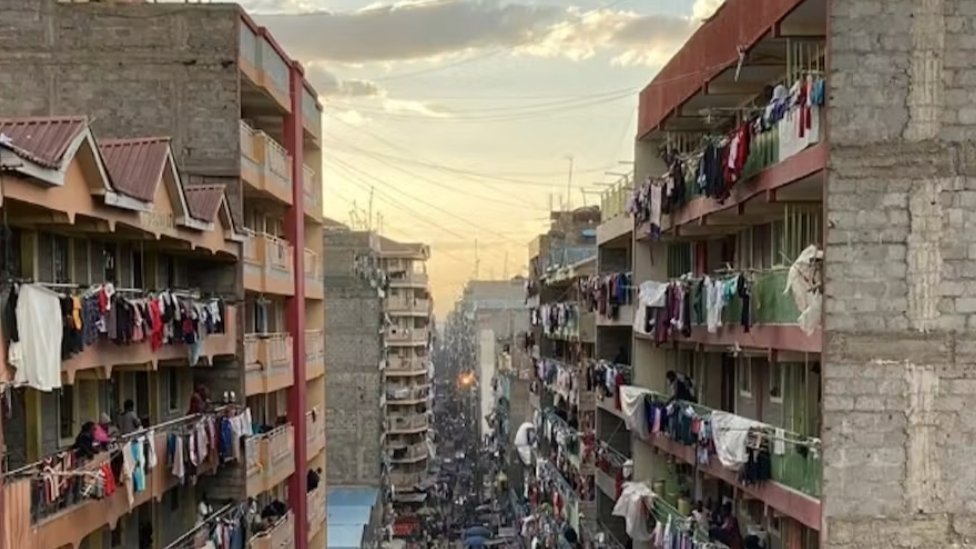

Low-income workers in Nairobi’s Embakasi Pipeline area are raising alarms over rapid rent increases that they say threaten their ability to remain housed close to employment opportunities. The estate has traditionally offered relatively cheaper options for casual labourers, factory staff and other modest earners.
Many residents work in nearby Industrial Area and surrounding zones. They rely on the location for short commutes that help stretch limited wages. Recent changes have disrupted that balance for numerous households.
Tenants describe increases that push single-room units from around Sh3,500 to Sh4,800 or more in a short period. That represents jumps exceeding 35 per cent in some cases while incomes have remained largely stagnant amid broader cost-of-living pressures.
The manner of implementation has added to frustrations. Some landlords allegedly provide little or no formal notice. Caretakers sometimes communicate new rates verbally, leaving families scrambling to adjust budgets without warning.
Those who question the hikes report facing pressure to pay or vacate. A few tenants claim difficulties recovering deposits or face obstacles when attempting to move out. Belongings have reportedly been held back in certain disputes until payments are settled.
One anonymous resident detailed the situation in a submission to Nyakundi Report. The writer highlighted the vulnerability of casual workers and families living paycheck to paycheck. A Sh1,000 monthly rise can force tough choices between rent, food and other essentials.
Pipeline has long served as a key residential pocket for ordinary Kenyans seeking proximity to work without excessive transport costs. The current wave of adjustments risks displacing long-term occupants and altering the area’s demographic makeup.
Housing remains a critical concern in Nairobi’s expanding urban landscape. Areas like Embakasi Pipeline have absorbed large numbers of workers supporting industrial and service activities. Disruptions here ripple through labour availability and household stability.
Tenants call for greater oversight from county authorities and the national government. They urge stronger enforcement of proper notice periods and fair deposit handling. Some also point to the potential role of affordable housing initiatives if scaled effectively for ordinary workers.
The complaints reflect wider patterns in Nairobi where demand for shelter near economic hubs outstrips supply in lower price segments. Landlords cite rising operational costs but tenants argue sudden changes without dialogue strain already tight budgets.
Many affected households include security guards, hawkers and factory employees. Their continued presence in the area supports the functioning of nearby industries through reliable local labour pools.
Residents hope for dialogue or intervention that balances landlord rights with tenant protections. Without relief, more families may face relocation to farther, costlier or less suitable locations.
The situation in Embakasi Pipeline underscores ongoing challenges in urban housing delivery. As Nairobi grows, ensuring accessible shelter for the workforce that powers its economy remains a persistent test for policymakers and developers alike.
Comments (1)
Leave a Comment
Kennedy
Jun 26