
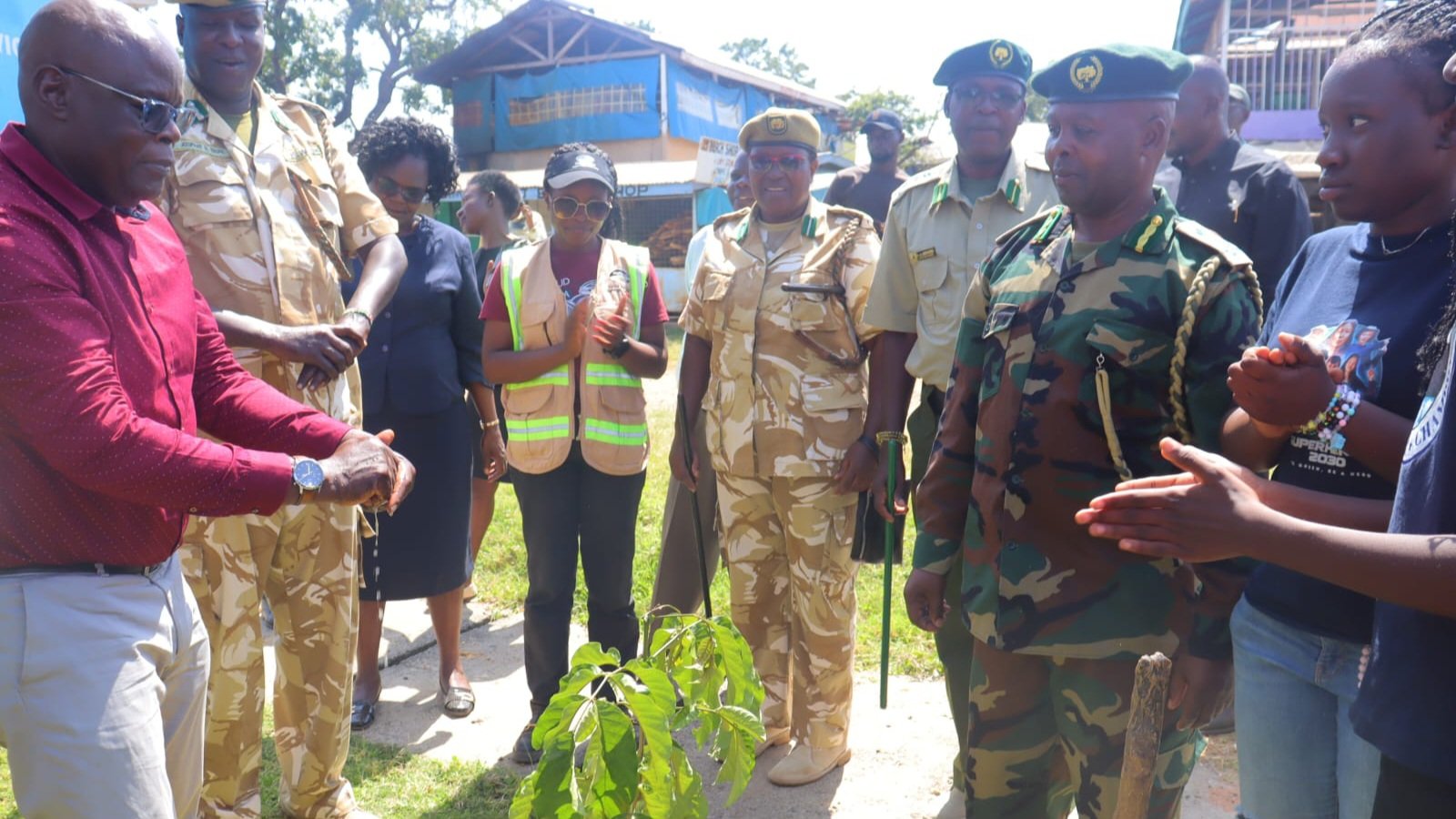

The usual rhythm of heavy machinery and asphalt procurement was briefly replaced by the sound of shovels and community dialogue this Wednesday, as the Kenya National Highways Authority, Nyanza region, established a presence at the Dunga Community Playground. The visit, timed to coincide with the 2026 commemoration of World Wetlands Day, saw road officials step away from their traditional engineering mandates to participate in a localized environmental drive along the shores of Lake Victoria.
This year’s theme, Wetlands and Indigenous Knowledge: Preserving Cultural Heritage, has prompted a series of engagements across the country, but the inclusion of a major infrastructure body like KeNHA in the Kisumu festivities suggests a broadening of how state agencies interpret their environmental obligations. The Dunga wetland is a critical ecological buffer for the Winam Gulf, acting as a natural filtration system for sediment and pollutants that would otherwise flow directly into the lake. For an authority tasked with the management of national trunk roads, the health of such ecosystems is increasingly viewed through the lens of infrastructure resilience.
During the event on February 4, officials in official KeNHA attire joined community members and local stakeholders in a tree-planting exercise intended to bolster the riparian cover surrounding the Dunga area. While the authority’s primary business remains the development of the national road network, the Nyanza region's leadership appears to be aligning with wider national targets, including the state’s ambitious goal of planting 15 billion trees by 2032. In the context of the Lake Victoria basin, where road construction often intersects with sensitive marshlands and seasonal floodplains, such participation is more than symbolic.
Dunga itself remains a high-value biodiversity site, recognized by conservationists as a Key Biodiversity Area and a habitat for the threatened Sitatunga antelope and the Papyrus Yellow Warbler. The wetland faces persistent pressure from urban encroachment, unsustainable papyrus harvesting, and siltation caused by upstream land use. By engaging with the theme of indigenous knowledge, the participants at Dunga highlighted how traditional methods of managing these swamps can inform modern conservation strategies. Community elders in Kisumu have long utilized the papyrus reeds for crafts and roofing while maintaining a balance that allowed the wetland to regenerate, a practice that the 2026 celebrations sought to honor and document.
From a construction standpoint, the protection of wetlands like Dunga serves a practical purpose. Poorly managed drainage and the loss of natural water retention areas can lead to the rapid degradation of road surfaces through flooding and erosion. As KeNHA continues to oversee major projects in the Western region, the move toward green infrastructure indicates that the authority is considering the long-term impact of its projects on the surrounding landscape. The presence of engineers and administrators at a wetland playground reflects a growing recognition that roads do not exist in a vacuum, and their longevity is tied to the stability of the local environment.
The collaboration at Dunga also pointed to the importance of the social license to operate. By working alongside the people of Kisumu, the authority is attempting to bridge the gap between large-scale state projects and the communities that live in their shadows. This shift is reflected in KeNHA’s own strategic planning, which has recently prioritized environmental and social safeguards as core performance indicators. The Nyanza region’s participation in the World Wetlands Day event is a clear nod to these evolving standards, moving beyond the minimum requirements of environmental impact assessments.
As the commemoration concluded, the emphasis remained on the shared responsibility between state agencies and the public. Protecting the Winam Gulf and its fringe wetlands requires a consistent presence rather than a one-off event. For KeNHA, the challenge moving forward will be to ensure that the spirit of the Dunga tree-planting exercise is translated into the design and maintenance of the region’s highway network. The intersection of indigenous wisdom and modern engineering may yet provide the most sustainable path for infrastructure development in the Lake Victoria basin.
Comments (0)
Leave a Comment
No comments yet. Be the first to share your thoughts!