
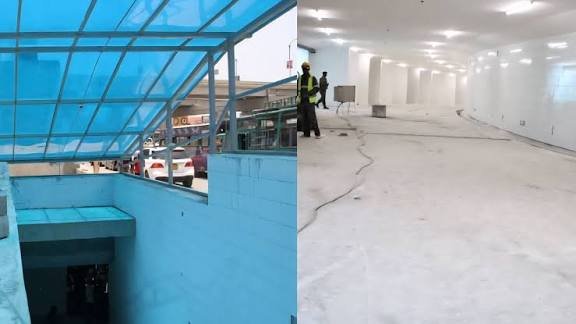

The Kenya National Highways Authority, known as KeNHA, has officially addressed concerns regarding the structural integrity and drainage capacity of the Green Park Pedestrian Underpass. In a statement released on February 26, 2026, the authority denied that the facility had succumbed to flooding, despite various images appearing to show deep water within the tunnel.
According to the state agency, the visual evidence being shared across social media platforms does not reflect the actual state of the infrastructure. Technical teams conducted an assessment of the site and confirmed the floors remained dry. The authority noted that the viral photos, which depicted a submerged walkway with reflections and debris, were produced using generative artificial intelligence.
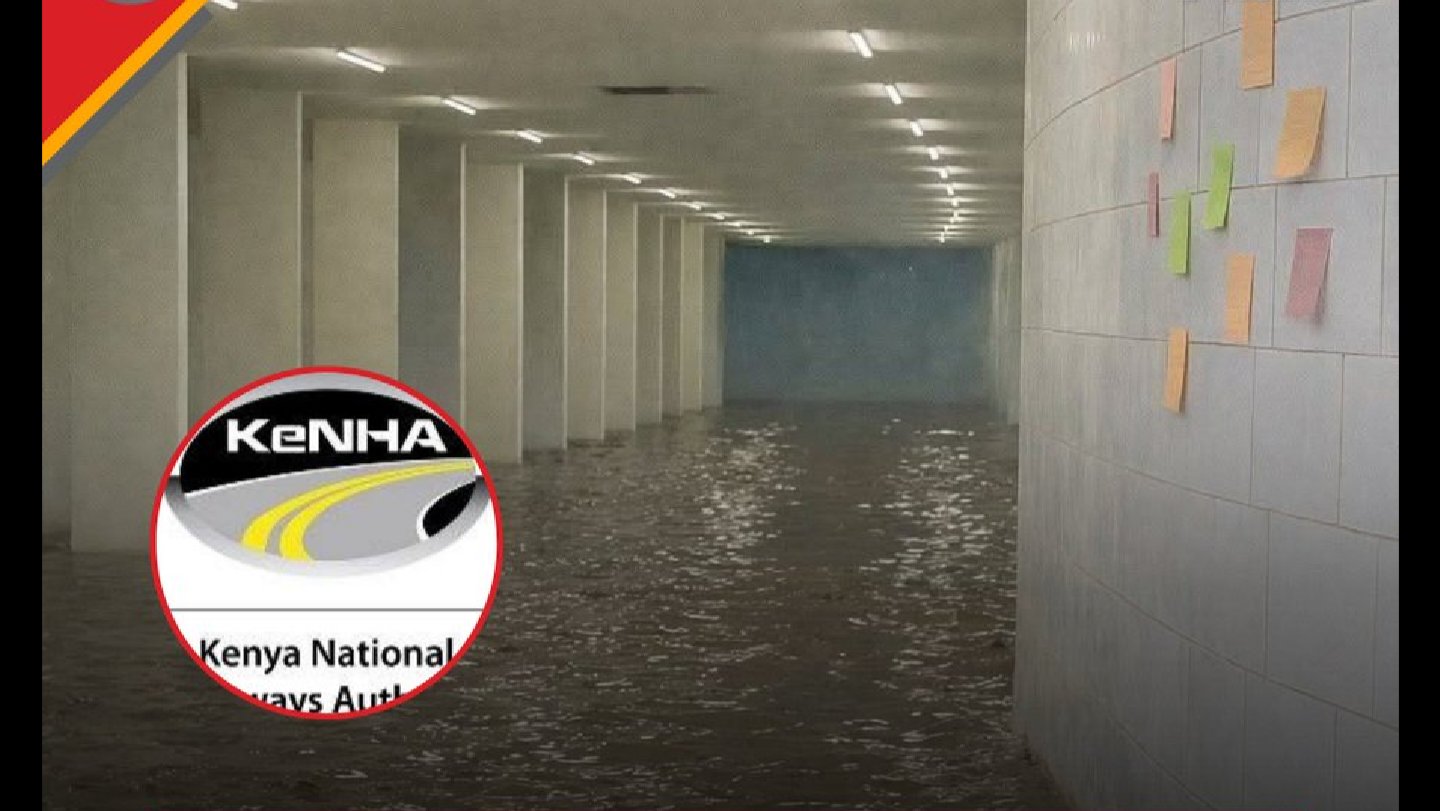
This incident highlights the growing challenge of digital misinformation in the infrastructure sector. Public projects in Nairobi often face intense scrutiny, but the use of hyper-realistic digital renders to suggest structural failure is a relatively new phenomenon for local agencies. KeNHA urged the public to verify information through official channels before sharing content that could cause unnecessary alarm.
The Green Park Underpass was designed to facilitate safe movement between the city center and the bus terminus, incorporating modern drainage systems to handle heavy runoff. Engineers involved in the project previously emphasized that the facility includes high-capacity pumps intended to prevent water accumulation during Nairobi's rainy seasons.
While the images appeared convincing to many online users, KeNHA pointed out specific inconsistencies in the digital renders that gave away their synthetic origin. The lighting patterns and the texture of the walls in the fake images did not align with the actual finishing materials used during the construction of the underpass.
Road authorities are now working with digital forensic experts to trace the origin of the fabrications. There are concerns that such campaigns could undermine public confidence in multi-billion-shilling infrastructure investments. Maintaining the reputation of these assets is a priority for the ministry, especially as more non-motorized transport solutions are rolled out across the capital.
Pedestrians using the facility on Thursday confirmed that the path was clear and fully operational. Security personnel stationed at the entrance also reported no issues with water ingress, even after recent light showers in the area. The underpass remains a critical link for thousands of commuters daily, who rely on it to avoid the heavy traffic on the surface roads above.
As urban centers become more reliant on digital communication, the transport sector is finding it necessary to monitor social media more closely. KeNHA has stated it will continue to provide real-time updates on road conditions, although it cautioned that malicious actors may continue to use technology to misrepresent the state of public works.
The authority reiterated its commitment to maintaining all bypasses, bridges, and underpasses within its jurisdiction. It encouraged citizens to report any genuine maintenance issues through the designated hotlines, rather than relying on unverified digital content. For now, the Green Park facility remains open to the public without any reported interruptions to service.
Comments (0)
Leave a Comment
No comments yet. Be the first to share your thoughts!