
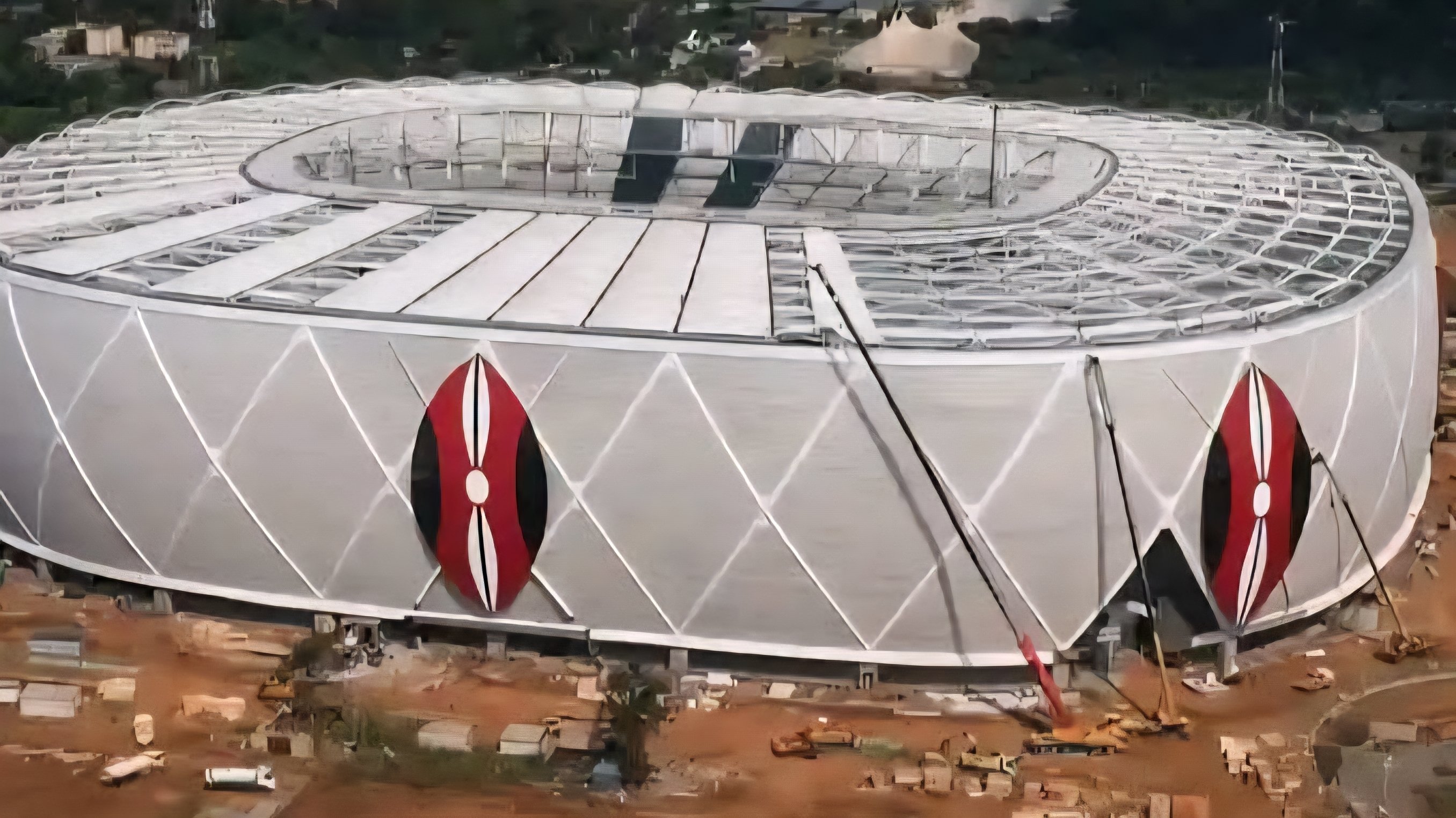

The Ministry of Youth Affairs, Creative Economy, and Sports has announced a formal invitation to the Confederation of African Football (CAF) to conduct an early inspection of Kenya’s sports infrastructure. This decision follows recent public scrutiny and international commentary regarding the country’s readiness to co-host the 2027 Africa Cup of Nations (AFCON). The invitation is intended to allow CAF officials to review ongoing works while contractors remain on-site, facilitating the integration of technical feedback into the final construction phases.
Cabinet Secretary Salim Mvurya confirmed the move during a site visit to the Raila Odinga International Stadium, formerly known as the Talanta Sports City project. The facility, a centerpiece of Kenya’s hosting bid, is reported to be 85 percent complete. The government maintains that an early visit from the continental football governing body will prevent late-stage adjustments and ensure that all technical specifications for a Category 4 stadium are met before the official handover.
Construction at the 60,000-seater Raila Odinga International Stadium has moved into the final stages, with work currently focused on external finishes and training pitches. According to the Ministry of Defence, which is overseeing the project, the primary concrete superstructure and steel support frames for the stadium’s facade are finished. Current activity on-site includes the installation of the canopy roof, seating, and the integration of digital systems, including giant screens and floodlighting. The state expects the primary structure and adjacent training fields to be finalized by the end of February.

The inspection will not be limited to the new build in Jamhuri. It will also cover the extensive rehabilitation works at the Moi International Sports Centre, Kasarani, and the Nyayo National Stadium. Kasarani is undergoing a multi-billion shilling renovation to upgrade its VIP sections, media centers, and changing rooms to meet the latest FIFA and CAF requirements. Recent updates indicate that the installation of the canopy roof at Kasarani is nearing completion, a critical component of the stadium’s modernization.

Beyond the primary match venues, the government is reviewing seven other auxiliary projects, including training facilities at the Ulinzi Sports Complex and the Kasarani Annex. These sites are essential for the "Pamoja" bid, which Kenya shares with Uganda and Tanzania. The Ministry of Sports has emphasized a whole-of-government approach, involving the Ministries of Interior, Transport, and Defence to manage the logistical and security demands of the upcoming continental showpiece.
The push for early validation comes after Ivorian journalist Mamadou Gaye questioned the regional infrastructure's ability to host a tournament of AFCON’s scale. While CAF President Patrice Motsepe has previously expressed confidence in the East African hosts, the Kenyan administration is seeking to provide concrete evidence of progress. By bringing in CAF inspectors in February, the sports ministry intends to demonstrate that the works are not merely artist impressions but active construction sites meeting measurable milestones.
Principal Secretary for Sports Elijah Mwangi noted that the remaining 15 percent of work at the main stadium involves secondary installations that can be completed within a short timeframe. These include the interior fit-out of 52 VVIP skyboxes, the presidential pavilion, and specialized rooms for VAR and anti-doping procedures. The government remains committed to a March 2026 completion deadline for the primary facilities, which would provide ample time for test events before the tournament begins in June 2027.
Comments (0)
Leave a Comment
No comments yet. Be the first to share your thoughts!