

A version of this article originally appeared in the Business Daily.
The Kenyan private sector started the year with a visible deceleration in growth as rising operating expenses and a fresh wave of taxes began to weigh on commercial activity. According to the latest Stanbic Bank Kenya Purchasing Managers’ Index (PMI), business activity expanded at its slowest pace since September last year. The headline index retreated to 51.9 in January from a robust 53.7 in December, signaling that while the economy remains in expansion territory, the momentum has cooled significantly.
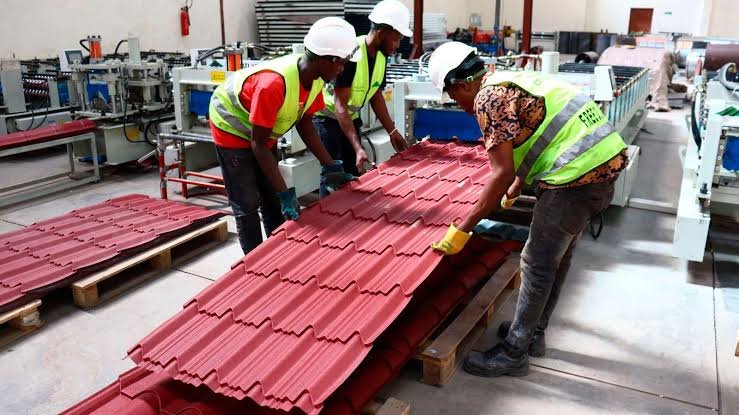
Construction and retail sectors bore the brunt of this slowdown. Unlike the manufacturing segment, which continued to report relatively strong sales, firms in the construction industry saw an outright fall in demand. This downturn is largely linked to the increasing cost of essential raw materials and the introduction of higher tax charges and import fees. Many contractors and developers have found their project margins squeezed by these rising inputs, leading to a more cautious approach to new commitments.
Operating expenses across the private sector rose solidly during the month. Businesses identified higher prices for raw materials as a primary driver of inflation within their supply chains. These pressures were further compounded by an evolving tax landscape. Specifically, the implementation of the fourth phase of the National Social Security Fund (NSSF) adjustments in February 2026 is expected to increase statutory payroll costs for employers. Additionally, recent policy shifts have seen duties on certain imported construction materials, such as ceramic tiles, maintained at high levels or adjusted, impacting the overall cost of development.
Despite these headwinds, there is a distinct effort among firms to remain competitive. Output price increases were described as marginal, as companies opted to absorb a portion of the rising costs rather than passing them entirely to consumers. This restraint is driven by a saturated market and growing concerns that aggressive price hikes could further stifle demand.
Labor markets have also reflected the broader cooling trend. While employment numbers did increase, the rate of hiring was more modest than in previous months. This shift suggests that firms are prioritizing efficiency and the clearing of existing backlogs over rapid workforce expansion. Outstanding work decreased at the fastest rate in nearly five years, indicating that companies are currently focusing on completing existing contracts rather than managing a surge of new ones.
The outlook for the remainder of the year remains cautiously optimistic. Business sentiment actually improved to a five-month high in January, with several firms indicating plans for diversification and geographic expansion. Many companies are banking on increased marketing efforts and the hope of securing new contract bids to offset the current high-cost environment. However, the immediate reality for the construction sector remains one of navigating high interest rates and a tightening fiscal regime that continues to impact the pace of infrastructure and housing projects across the country.
Comments (0)
Leave a Comment
No comments yet. Be the first to share your thoughts!