
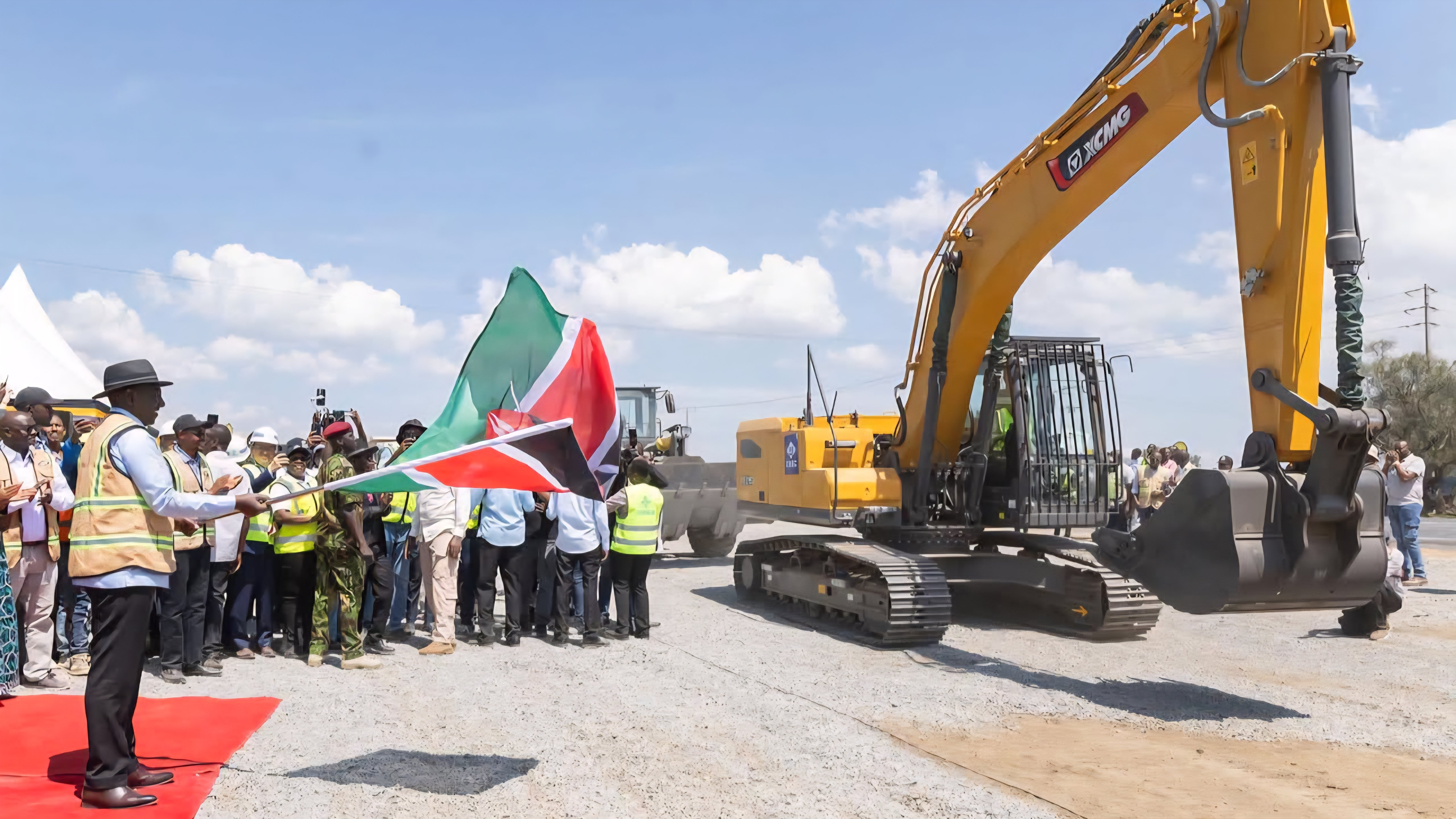

The government has included a specific profit-sharing provision in the concession agreement for the vital Rironi-Nakuru-Mau Summit highway project, obligating the Chinese construction consortium to share toll revenues that exceed pre-defined profitability thresholds.
The move finalises a key term in the Public-Private Partnership (PPP) deal, which has been subject to intense scrutiny over the long-term financial implications for the country.
The KSh 200 billion project, which involves the upgrade and expansion of the 233-kilometre road, is being executed by a consortium led by China Road and Bridge Corporation (CRBC) alongside Kenya's National Social Security Fund (NSSF).
The concession is structured under a Design-Build-Finance-Operate-Maintain-Transfer (DBFOMT) model, allowing the private partners to operate the highway and collect fees for a period of 30 years before reverting the asset to the Kenya National Highways Authority (KeNHA).
This adjustment directly addresses concerns raised by regulatory bodies over the high projected returns for the concessionaire. Analysis of the agreement indicated that the operating profit over the three-decade period was projected to reach approximately KSh 339.8 billion, leading to public apprehension about the cost to motorists.
The newly inserted clause functions as a safeguard, ensuring that the State receives a portion of the returns should the traffic volumes and resulting toll collections surpass the financial modelling estimates.
Motorists are expected to pay a base toll rate of KSh 8 per kilometre for passenger vehicles, a rate that is subject to annual adjustments to accommodate inflation and foreign exchange movements.
The toll revenue sharing mechanism aims to balance the need for infrastructure investment through private capital with the State's responsibility to protect the public interest from excessive charges and profits on a strategic national asset.
The expansion converts key sections of the Northern Corridor artery into a dual carriageway, crucial for regional trade connectivity between the port of Mombasa and inland destinations.
Comments (0)
Leave a Comment
No comments yet. Be the first to share your thoughts!