
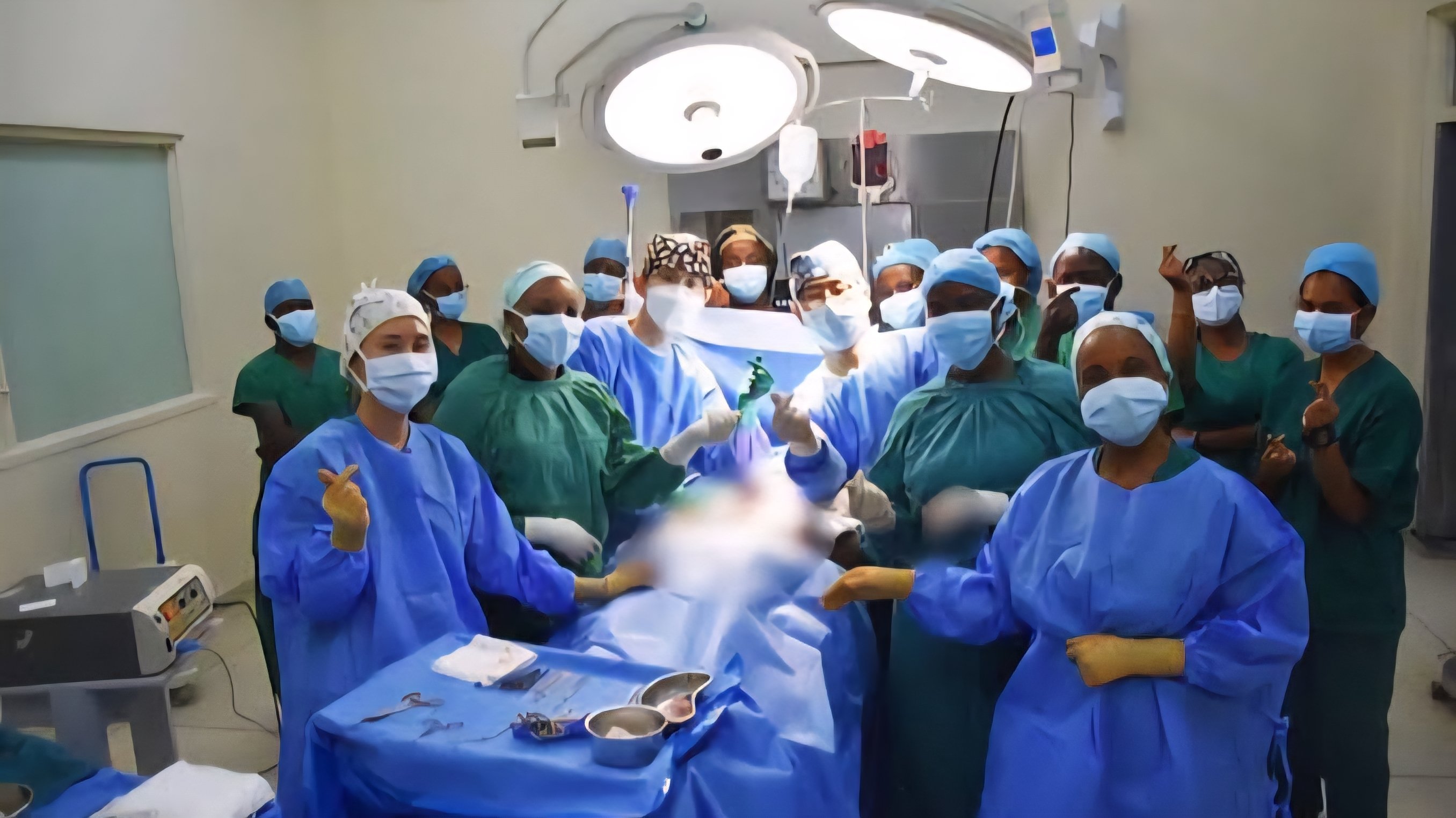

Kenyatta National Hospital has successfully performed Kenya's first balloon pulmonary valvuloplasty on a preterm newborn, signaling a shift in the technical capacity of the country’s primary referral infrastructure. The procedure, conducted on a 34-week-old infant, addresses a critical gap in specialized neonatal care within the region.
The patient, one of a set of twins born on January 2, 2026, was diagnosed with critical pulmonary valve stenosis shortly after birth. This congenital condition involves a severely narrowed heart valve that restricts blood flow to the lungs, often necessitating immediate and highly specialized intervention to ensure survival.
Medical teams at the facility opted for the minimally invasive procedure rather than traditional open-heart surgery. This approach involves threading a catheter equipped with a small balloon through the blood vessels and into the heart. Once positioned, the balloon is inflated to physically widen the narrowed valve.
The operation took place on February 5, 2026, and lasted approximately ninety minutes. Led by consultant pediatric cardiologists Dr. Esther Kimani and Dr. Naomi Gachara, the multidisciplinary team included anesthesiologists and neonatal nurses trained in high-precision cardiac interventions.
Following the procedure, the infant showed immediate physiological improvement. Clinical reports indicate that blood oxygen levels stabilized and the strain on the heart muscle was significantly reduced. By February 10, the newborn was breathing without the assistance of supplemental oxygen.
The successful execution of this procedure highlights the ongoing modernization of KNH’s medical equipment and staff expertise. It demonstrates a growing ability to handle complex congenital heart defects locally, reducing the historical reliance on overseas referrals for neonatal cardiac emergencies.
Josephine Pilanoi, the mother of the twins from Kajiado County, expressed relief at the outcome. While the affected twin required intensive monitoring during the recovery phase, the second twin remained stable throughout the period.
The hospital management noted that the infant is now feeding well and gaining weight, which are key indicators of successful recovery in preterm cases. This development is expected to set a new standard for neonatal cardiac protocols in Kenyan public health facilities.
The technical success of the valvuloplasty relies on precise imaging and catheterization technology. Investment in these specialized tools at KNH is part of a broader effort to strengthen the national health infrastructure and improve survival rates for critically ill infants.
Future cardiac cases at the hospital are expected to benefit from the experience gained during this inaugural preterm procedure. The medical team continues to monitor the infant to ensure the long-term patency of the pulmonary valve as the child grows.
Comments (0)
Leave a Comment
No comments yet. Be the first to share your thoughts!