
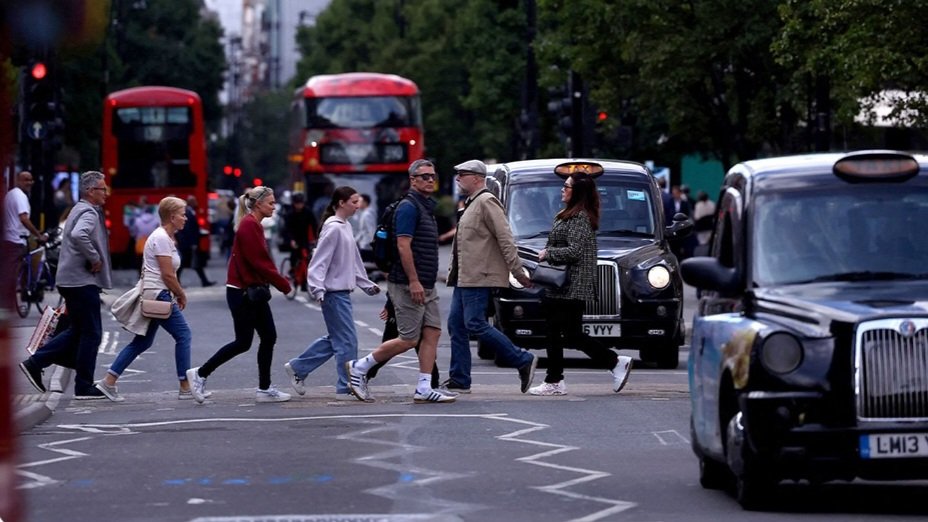

Restrictions placed on older, highly polluting vehicles across most of the British capital are strongly associated with improved lung health in children, according to a newly released study.
The scientific findings highlight the direct impact that urban traffic regulations can have on public health, particularly for younger demographics living in densely populated city areas. Municipal leaders have increasingly targeted vehicle emissions to combat rising air pollution levels in major urban centers.
Traffic regulations targeting older, high-emission transport options have gained traction in several major metropolitan regions. Environmental and health researchers continuously monitor these clean air policies to assess whether driving restrictions yield tangible medical benefits for local residents.
The latest research indicates a clear connection between restricted access for high-polluting transport and improved respiratory indicators among young residents. Health experts have long warned that pediatric lungs are especially vulnerable to airborne contaminants generated by fossil-fuel combustion engines.
City planners and urban transport authorities monitor such outcomes closely as they evaluate ongoing infrastructure priorities. Cleaner air initiatives often involve expanding public transportation, creating low-emission corridors, and encouraging electric vehicle adoption across urban road networks.
Urban planners globally consider low-emission transport zones a primary strategy for curbing localized toxicity levels. Similar traffic management policies are under active consideration or expansion in numerous international cities seeking to balance transport demand with urban air quality standards.
The study contributes fresh evidence to the broader debate regarding urban access controls and vehicle standards. Transportation policy makers rely heavily on empirical health data when determining the future expansion of municipal clean air zones and related civil infrastructure projects.
Respiratory health improvements recorded in the study offer crucial insights for municipal infrastructure departments balancing traffic management with public well-being. Reduced vehicular emissions remain a primary goal for environmental health initiatives across global metropolitan jurisdictions.
Monitoring programs tracking atmospheric pollutants suggest that restricting high-emitting cars leads to gradual drops in dangerous particulate matter. Urban infrastructure models are increasingly tailored around such environmental objectives to ensure cleaner living environments in major cities.
Future infrastructure planning in primary urban corridors is expected to incorporate stricter environmental thresholds. Decision-makers view traffic intervention strategies as essential components of long-term sustainable urban development and public safety goals.
Comments (0)
Leave a Comment
No comments yet. Be the first to share your thoughts!