
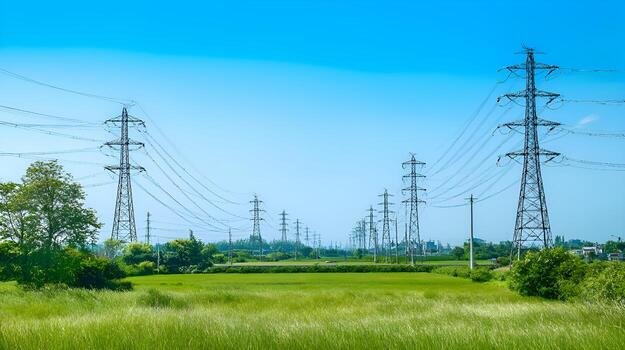

The Ministry of Energy is keeping the specific costs of a multi-billion shilling power transmission project confidential, despite the private nature of the agreements with Adani Energy Solutions and Africa50. These two firms are expected to invest Sh40.15 billion into Kenya's electricity infrastructure under a Public-Private Partnership framework. Adani Energy Solutions, a subsidiary of the Indian conglomerate, is earmarked for Sh30.3 billion of the work, while Africa50, an investment vehicle of the African Development Bank, will handle Sh9.85 billion.
Energy Cabinet Secretary Opiyo Wandayi told a parliamentary committee that revealing the negotiated wheeling charges, including the fees paid by the government to the private firms to transport electricity, would be premature. He argued that the figures remain subject to final approvals and that making them public could impact the ongoing process. The projects involve the construction of high-voltage lines, including the 400kV Gilgil-Thika-Malao-Konza line and several 220kV and 132kV links.
The lack of transparency regarding the tariff rates has raised concerns over the long-term cost to consumers. Under these agreements, the private investors build and maintain the lines for approximately 30 years, recovering their costs through a monthly fee charged to the Kenya Electricity Transmission Company. These costs are ultimately passed through to electricity bills. While the Ministry maintains that these private investments are necessary to fix the country's aging grid without increasing public debt, the exact financial burden on the taxpayer remains unquantified.
Government officials have defended the choice of Adani and Africa50, stating that the projects were initiated through Privately Initiated Proposals. The Ministry claims that these proposals underwent a rigorous evaluation process to ensure technical and financial viability. However, the refusal to share the specific tariff structures with lawmakers suggests a gap in public oversight for projects that will dictate energy costs for the next three decades.
Comments (0)
Leave a Comment
No comments yet. Be the first to share your thoughts!