
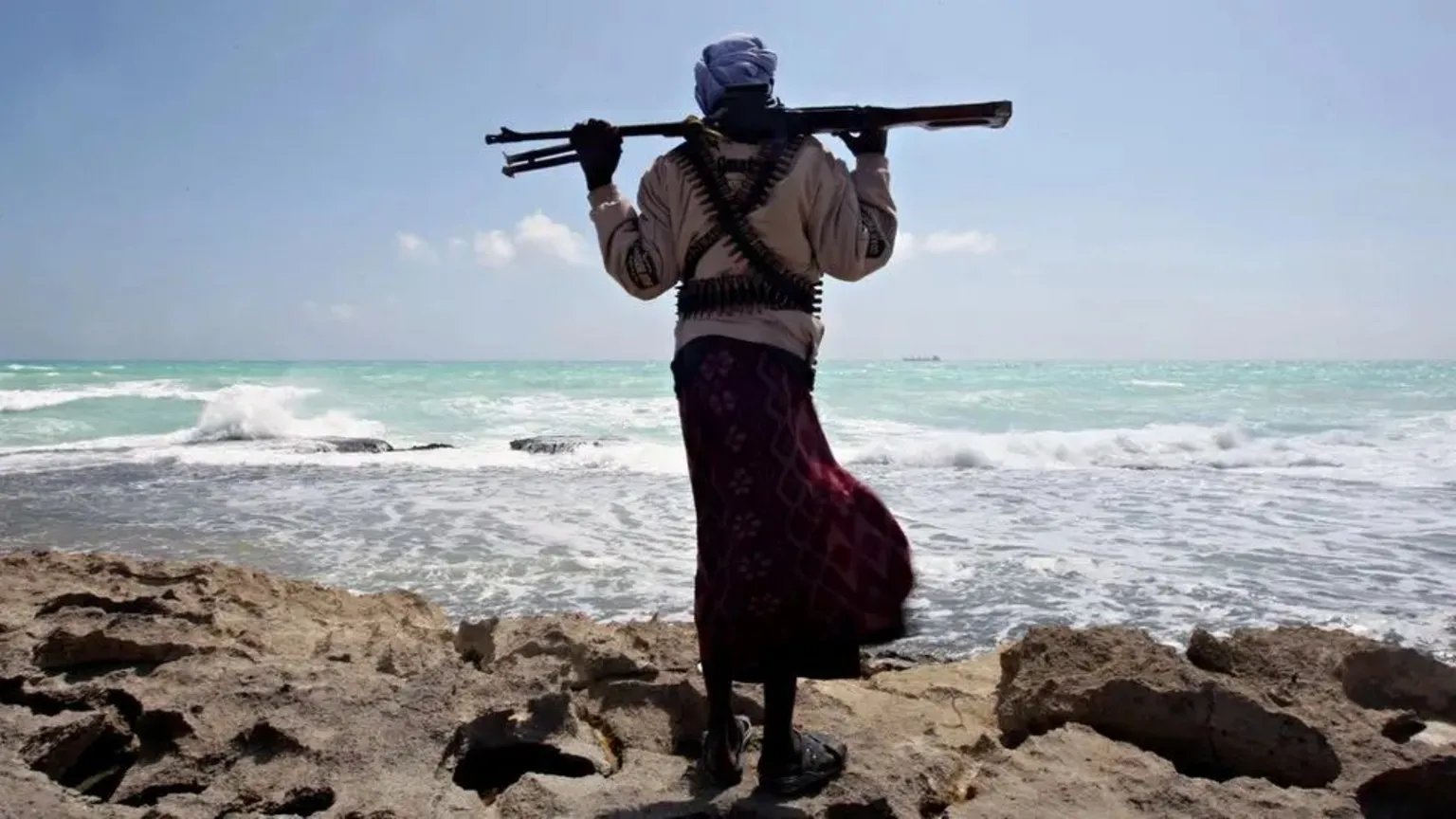

Pirates have seized an oil tanker carrying a crew of 17 off the coast of Somalia, according to security officials in the region. The vessel was reportedly intercepted while navigating through waters that were once the global epicenter of maritime hijackings.
The incident marks a sharp departure from the relative calm observed in these shipping lanes over the last decade. Following a peak in 2011, international naval patrols and enhanced security protocols on commercial ships had largely suppressed pirate activity.
Local reports indicate that the attackers boarded the vessel and forced it toward the Somali shoreline. Security agencies in Mogadishu are currently monitoring the situation, although the exact demands of the hijackers have not yet been made public.
This latest development has sent ripples through the regional shipping and logistics industry. For construction firms and infrastructure developers in East Africa, particularly in Kenya and Somalia, secure sea routes are vital for the delivery of heavy machinery, fuel, and raw materials.
Historically, the Somali coast has been a volatile corridor for international trade. Between 2005 and 2012, pirates frequently targeted bulk carriers and tankers, often holding crews for multi-million dollar ransoms.
The decline of such attacks allowed for more competitive insurance premiums and predictable delivery timelines for major projects across the Horn of Africa. This recent hijacking, however, suggests that the underlying causes of piracy have not been fully eradicated.
Security analysts note that while international intervention was successful in driving pirates off the high seas, the instability on land continues to provide a vacuum where these groups can reorganize.
For the crew of 17 currently held on the tanker, the situation remains precarious. Families and shipping companies are awaiting further communication from the vessel, which is now believed to be anchored near the semi-autonomous region of Puntland.
Government officials in the region have expressed concern that a successful hijacking could embolden other groups to resume operations. The maritime community is now calling for a reassessment of security measures for vessels traversing the Indian Ocean and the Gulf of Aden.
As construction and infrastructure development in Kenya continues to expand, any prolonged disruption to maritime safety could impact the supply chain for large-scale energy and transport projects.
Naval forces stationed in the region, including those from the European Union and other international coalitions, are expected to increase surveillance in response to the event. The goal remains to prevent a return to the crisis levels seen fifteen years ago.
The coming days will be critical in determining whether this is an isolated incident or the start of a new wave of organized maritime crime.
Comments (0)
Leave a Comment
No comments yet. Be the first to share your thoughts!