
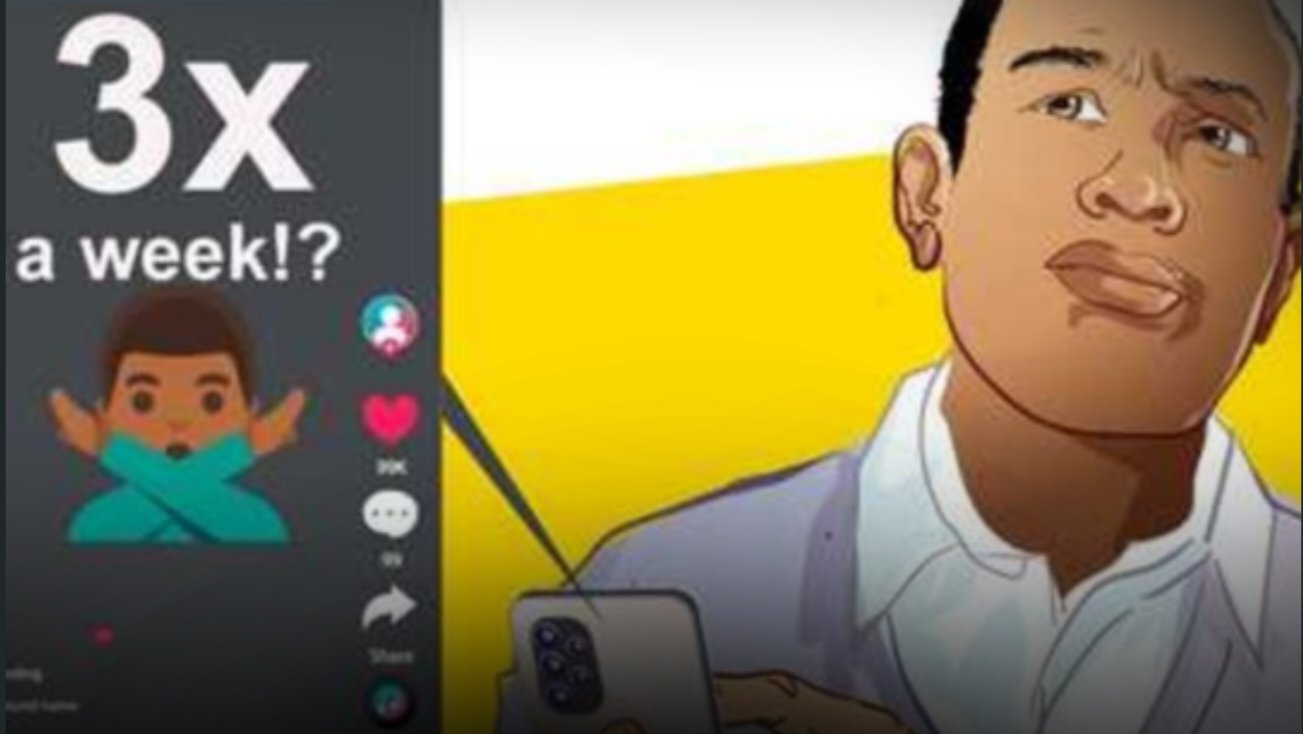

The proliferation of unverified sexual health advice by untrained social media influencers is causing severe friction within Kenyan households, as false medical claims disrupt traditional family structures and foster deep mistrust between long-term partners.
Domestic disputes arising from digital misinformation highlight an expanding public crisis, where unregulated platforms frequently displace professional medical guidance, which undermines community wellness and shifts the source of authority from clinics to smartphones.
In a recently documented case highlighted by local media, a Kenyan woman named Joyce revealed that her husband, Linus, suddenly refused to engage in marital intimacy, which triggered immediate relationship distress and confusion.
Linus reportedly asserted to his family that he learned from social media platforms that regular intimacy carries severe physical risks, which convinced him to alter his bedroom behavior completely to preserve his health.
According to his wife, he firmly believed that ejaculating more than three times a week is dangerous to a man's life, which created immense tension and emotional distance between the couple.
This particular domestic scenario reflects a widespread trend across East Africa, where untrained digital creators offer complex sexuality advice, which thousands of followers consume without verification, often with highly harmful results.
Medical practitioners warn that relying on peer-to-peer digital content for reproductive health often results in unnecessary anxiety, psychological trauma, and fractured domestic partnerships that require clinical intervention to resolve.
The Kenya Medical Practitioners and Dentists Council (KMPDC) has repeatedly urged citizens to seek guidance from certified practitioners, but internet myths remain highly accessible and persuasive to the public.
The council emphasizes that self-diagnosis based on viral videos threatens public health, although digital connectivity continues to expand rapidly across both rural communities and major urban centers alike.
Many digital influencers capitalize on sensational health topics to increase their subscriber counts, which maximizes their personal advertising revenue at the direct expense of factual accuracy and audience safety.
Sociologists note that the algorithmic structure of modern applications promotes sensational claims, which makes it difficult for ordinary citizens to separate viral fiction from proven clinical realities in their daily lives.
Consequently, relationship counselors in Nairobi are registering an increase in couples seeking urgent intervention for conflicts sparked entirely by online misinformation, which severely threatens long-term family stability.
The lack of robust fact-checking mechanisms on major social networking applications allows dangerous health fallacies to circulate indefinitely, which leaves vulnerable audiences exposed to deceptive content creators.
Reproductive health advocates suggest that introducing comprehensive digital literacy programs could counter these trends, if the government collaborates with local community organizations to educate the public.
Certified urologists have thoroughly debunked the specific claim that regular ejaculation causes health degradation, clarifying that normal biological functions do not endanger human life when individuals maintain healthy lifestyles.
Despite these expert reassurances, the psychological impact of viral health misinformation often lingers for months, which requires sustained psychological counseling to restore basic trust within affected relationships.
As digital access grows, the intersection of technology and personal wellness presents new challenges, which demands immediate, decisive attention from public educators and medical regulators across Kenya.
The ongoing struggle against digital health myths underscores the absolute necessity of trusting established medical institutions, when seeking answers to complex physiological and reproductive health questions.
Comments (0)
Leave a Comment
No comments yet. Be the first to share your thoughts!