
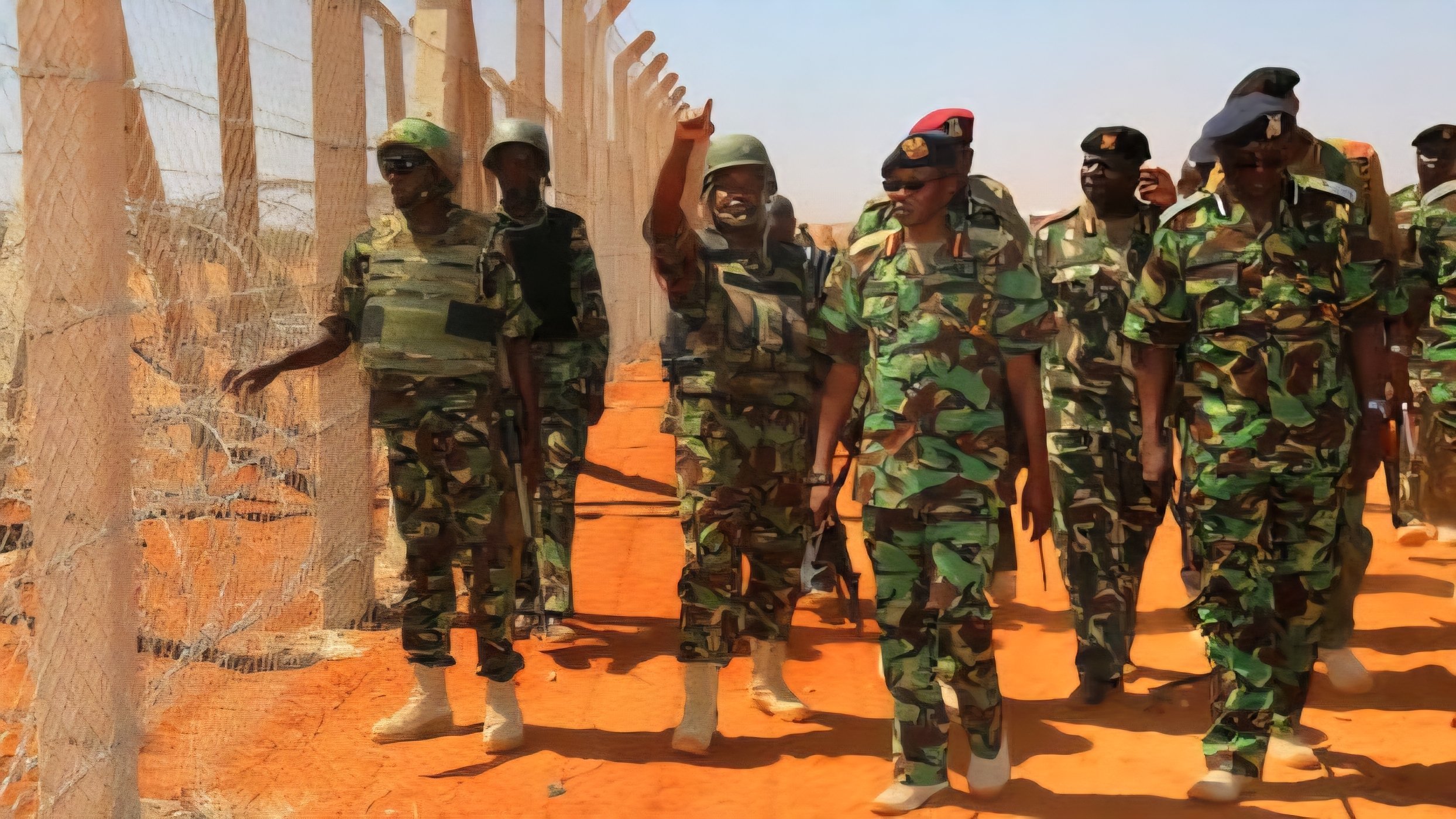

The government of Kenya has scheduled the formal reopening of the primary border points between Kenya and Somalia for April 2026. This decision, announced by President William Ruto, comes after a 15-year period of closure that severely restricted the movement of goods and people between the two nations. The move follows a series of high-level deliberations by the National Security Council, which evaluated the current stability of the frontier and the economic necessity of restoring official transit routes.
The border was originally closed in 2011 as a strategic measure to curb the infiltration of extremist elements and to manage the security challenges posed by instability in the Horn of Africa. Since then, official trade has been largely suspended, forcing communities on both sides to rely on informal crossings or lengthy maritime and air routes. The April reopening is expected to focus on the main customs and immigration points, including Mandera, Liboi, and Kiunga, where infrastructure has remained largely underutilized for over a decade.
From a construction and logistical standpoint, the reopening necessitates an immediate assessment of the existing border facilities. Many of the administrative buildings, staff quarters, and inspection bays at these sites have faced years of neglect. Public works departments are expected to be deployed to ensure that the One-Stop Border Posts (OSBPs) are structurally sound and equipped with the necessary technology to manage biometric data and cargo scanning. The physical integrity of the perimeter fencing and access roads leading to these remote outposts will also be a priority for the Ministry of Roads and Transport.
The decision to reopen the border is not merely a diplomatic gesture but a response to the growing demand for regional integration. Over the last decade, the lack of official land crossings has hampered the flow of agricultural products and manufactured goods from Kenya into the Somali market. Conversely, Somali traders have faced hurdles in accessing Kenyan ports and wholesale hubs. By establishing controlled entry points, the state aims to formalize these economic exchanges, which will provide a predictable revenue stream through customs duties and transit fees.
Security remains the most critical variable in this transition. The National Security Council indicated that the reopening will be phased and monitored closely. This involves the deployment of specialized border patrol units and the construction of reinforced observation posts along the 800-kilometer frontier. The infrastructure of surveillance—including thermal imaging, drone support hubs, and communication towers—will be integrated into the existing border management framework to ensure that the resumption of trade does not compromise domestic safety.
Local leaders in the frontline counties of Mandera, Wajir, Garissa, and Lamu have frequently called for this reopening, citing the economic stagnation of border towns. In these regions, the construction of markets, warehouses, and hospitality facilities often mirrors the status of the border. With a definitive date now set for April, there is an anticipation of renewed private sector investment in the built environment surrounding these transit hubs. Developers who had stalled projects due to the uncertainty of the border status may now find the confidence to complete commercial spaces intended for logistics firms and clearing agents.
The reopening also aligns with broader regional infrastructure projects, such as the Lamu Port-South Sudan-Ethiopia-Transport (LAPSSET) corridor. As the northern parts of Kenya become more connected through new tarmac roads and fiber optic networks, the ability to move cargo into Somalia via land becomes a more viable component of the regional supply chain. The physical connection of these two markets represents a shift in the geopolitical landscape of East Africa, prioritizing economic cooperation over the isolationist policies of the past 15 years.
As April approaches, the focus will remain on the readiness of the multi-agency teams tasked with manning the gates. The transition from a closed military-monitored zone to a functional commercial border requires a delicate balance of hospitality and vigilance. The coming months will likely see intense activity at the Mandera and Liboi stations as contractors rush to ensure that the gates are ready to swing open for the first time since 2011.
Comments (0)
Leave a Comment
No comments yet. Be the first to share your thoughts!