
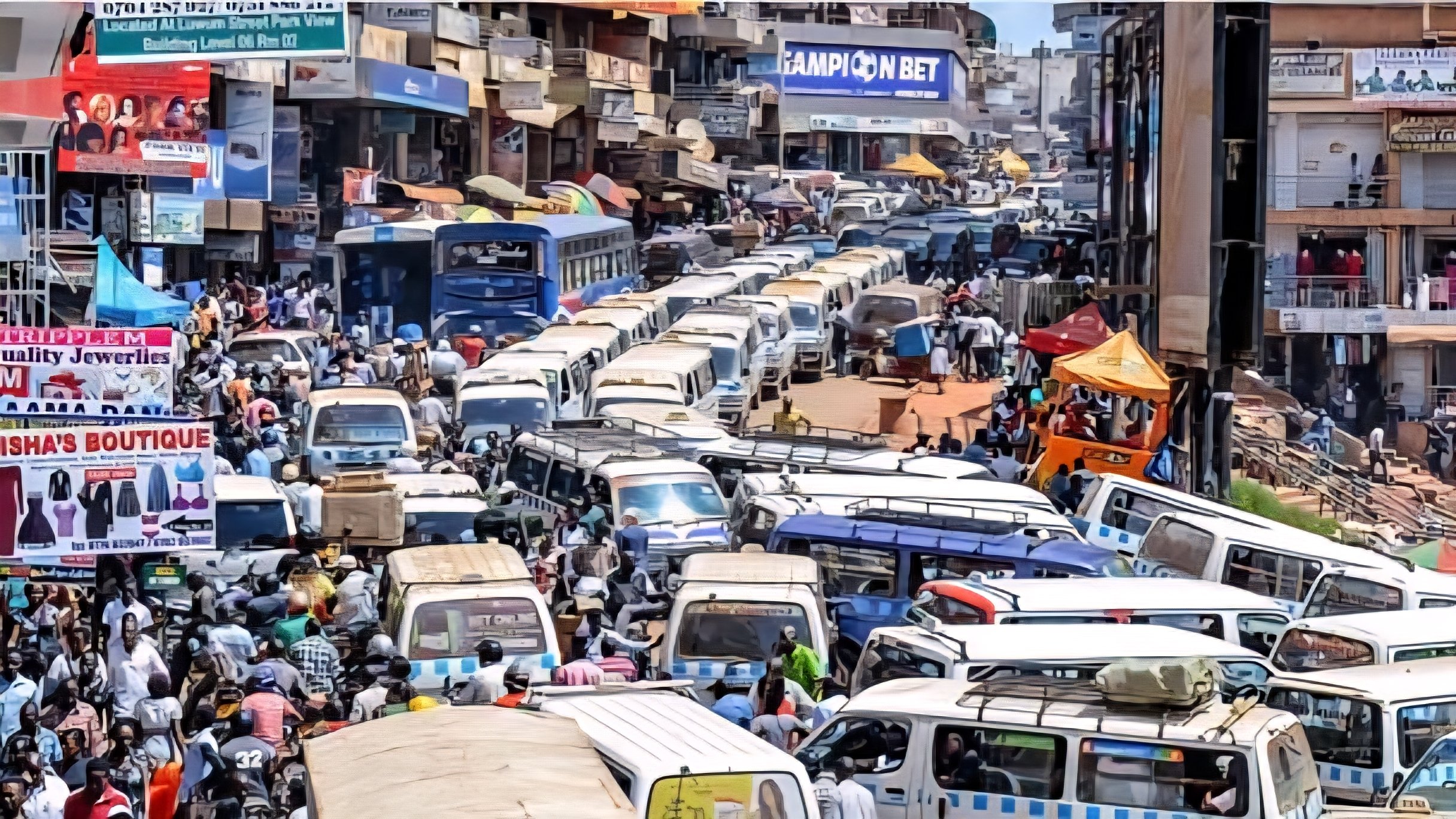

The economic engine of East Africa is hitting a literal standstill. In the sprawling metropolitan hubs of Nairobi, Kampala, and Dar es Salaam, the morning rush hour has transitioned from a temporary inconvenience into a permanent fixture of urban life. While these cities serve as the primary drivers of regional GDP, the physical reality on the ground is one of mounting frustration and evaporating revenue.
Data emerging from the region suggests that the cost of doing business is being driven upward by the sheer inability to move goods and people efficiently. In Nairobi, estimates frequently place the daily loss to the economy at hundreds of millions of shillings. This figure accounts for wasted fuel, lost man-hours, and the increased maintenance costs of vehicles idling in traffic for hours at a time. The problem is not merely an issue of comfort but a direct hit to the bottom line of logistics firms and small-scale traders alike.
The root of the crisis lies in a significant mismatch between population growth and infrastructure investment. Many of the road networks in these capitals were designed decades ago for a fraction of the current population. As the middle class expands, private vehicle ownership has surged. In cities like Kampala, the narrow streets of the central business district are frequently overwhelmed by a mix of private cars, public service vans, and motorcycle taxis, known locally as bodabodas. The resulting chaos often brings entire sections of the city to a halt.
Construction efforts to alleviate the pressure have seen mixed results. While massive projects like the Nairobi Expressway have provided relief for long-distance transit and those willing to pay tolls, the arterial roads feeding into these major thoroughfares remain choked. Urban planners point out that building more roads often leads to induced demand, where new lanes are quickly filled by even more vehicles, failing to provide long-term relief.
In Dar es Salaam, the implementation of Bus Rapid Transit systems has offered a glimpse of a potential solution. By dedicated lanes, to high-capacity buses, the city has managed to move thousands of people while bypassing the standard flow of traffic. However, the scale of the challenge remains immense. For the system to be truly effective, it requires a level of integration that covers the entire metropolitan area, a feat that requires massive capital expenditure and political will.
The human element of the gridlock is perhaps the most difficult to quantify, but the most felt. Commuters in East African capitals often spend three to four hours a day in transit. This leads to a fatigued workforce and a significant reduction in quality of life. For parents, it means less time with children, and for workers, it means arriving at the office already exhausted by the commute.
Regional governments are under increasing pressure to find sustainable solutions. The focus is slowly shifting from simply paving more roads to a more holistic approach to urban management. This includes the decentralization of services to reduce the need for everyone to travel to the city center, as well as the modernization of the railway systems to provide a viable alternative to road transport.
If the current trends continue, the cost of going nowhere will only rise. The construction sector remains at the heart of this issue, as the design and execution of next-generation transit systems will determine whether East African cities can remain competitive on a global stage. Without a radical shift in how urban mobility is handled, the region’s growth may continue to be throttled by its own traffic.
Comments (0)
Leave a Comment
No comments yet. Be the first to share your thoughts!