
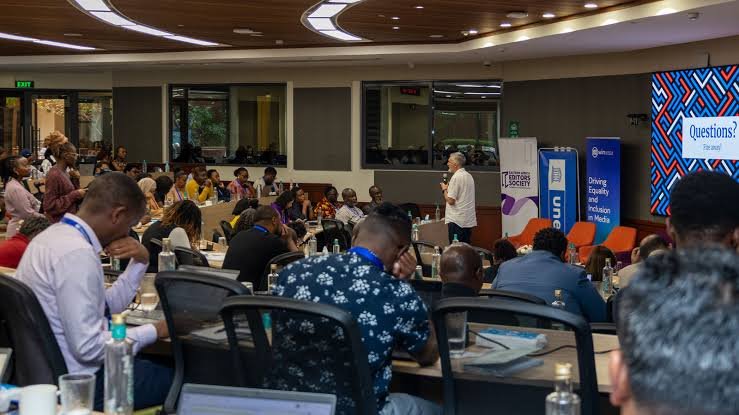

Journalism across the African continent is currently facing a period of intense volatility, a situation that has direct implications for how major national projects and infrastructure developments are communicated to the public. During a recent gathering of industry stakeholders in Nairobi, editors and publishers were told that their primary tool for survival is the preservation of public trust. This call comes at a time when the accuracy of information serves as the foundation for investor confidence and public oversight of large-scale construction and engineering works.
The media landscape is currently grappling with various pressures, ranging from shifting revenue models to the rapid spread of unverified information. For the construction and infrastructure sectors, which often involve complex financing and long-term delivery cycles, the role of a reliable press is critical. Without a trusted media to scrutinize procurement processes or report on the physical progress of works, the gap between the government and the taxpayer widens.
Industry leaders at the forum noted that while the digital age has brought new challenges, it has also highlighted the value of established news brands. The participants argued that media houses must ride on their existing reputations to outlive the current uncertainty. In many African markets, including Kenya, the media serves as a bridge between technical experts and the general population. When this bridge is weakened by a lack of trust, even the most beneficial infrastructure projects can face public resistance or misunderstanding.
The discussion also touched upon the necessity of financial sustainability for media organizations. For a newsroom to maintain a dedicated desk for construction or economic reporting, it requires stable resources. However, the pursuit of these resources must not come at the cost of editorial independence. The participants were reminded that once trust is eroded, it is difficult to regain, especially in an era where alternative, and often less factual, information sources are readily available.
Transparency in reporting on the built environment is particularly sensitive. In Kenya, the push for mega-projects such as the Standard Gauge Railway or the expansion of the national road network has often been accompanied by intense public debate regarding costs and environmental impact. In these instances, the public looks to seasoned journalists to provide a balanced view. If the media is perceived as biased or unreliable, the risk of misinformation regarding these projects increases, which can lead to delays or increased political risk for contractors and investors.
The forum emphasized that the current crisis in media is not just about technology, but about the relationship between the journalist and the reader. By focusing on fact-based reporting and avoiding the sensationalism that often plagues digital platforms, editors can ensure their relevance remains intact. This is especially true for specialized reporting areas where technical accuracy is paramount. A mistake in reporting a project budget or a structural failure can have legal and economic consequences that extend far beyond the newsroom.
Furthermore, the integration of regional markets through initiatives like the African Continental Free Trade Area (AfCFTA) requires a robust media that can report across borders. As construction firms from one African nation seek opportunities in another, the need for credible market intelligence becomes clear. Editors were encouraged to view their role as essential to the broader economic health of the continent. By providing a clear-eyed view of regional developments, the press helps to create a more predictable environment for business and development.
Ultimately, the message from the Nairobi meeting was one of resilience through integrity. As the media navigates its own structural transitions, the commitment to factual, high-quality journalism remains the only viable path forward. For the infrastructure sector and the wider economy, a trusted media is not a luxury, but a necessary component of a functioning and transparent market.
Comments (0)
Leave a Comment
No comments yet. Be the first to share your thoughts!