
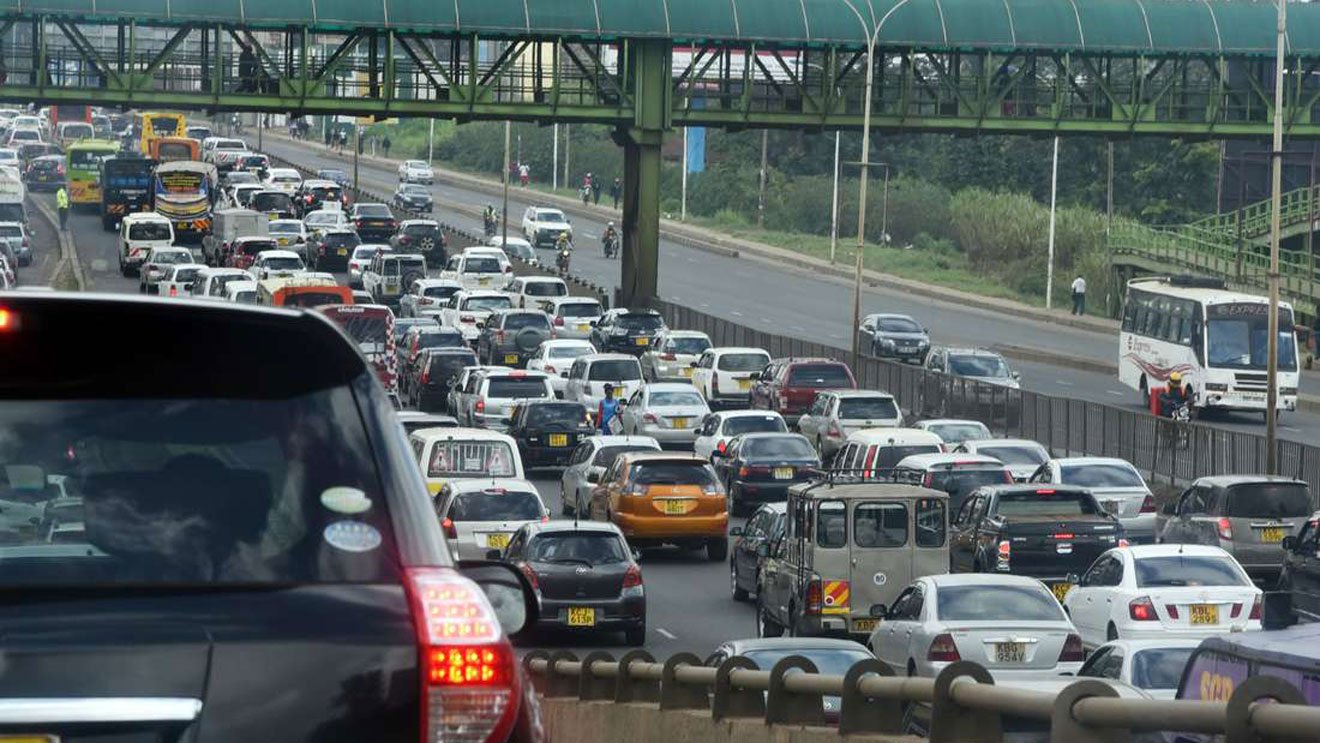

The Nairobi Metropolitan Services is forging ahead with a transformative project set to redefine urban mobility in the capital, marking a significant step toward eradicating the city’s notorious traffic congestion. This ambitious plan centers on the construction of an Integrated Traffic Management Centre, a state-of-the-art facility located at the City Cabanas area along the busy Mombasa Road.

Situated on a ten-acre parcel of newly acquired land, the center is designed to be the digital brain of Nairobi’s entire transportation network. It will be an integrated multi-storey building housing an advanced command team comprising specialized engineers, system experts, and traffic police officers. These stakeholders will work in continuous concert from the control room, monitoring and acting upon real-time data streamed from hundreds of locations across the metropolis.
This monumental effort, valued at over Sh8 billion and largely financed by the Export-Import Bank of Korea, is far more than a simple construction venture; it represents a comprehensive technological overhaul of the city's entire road infrastructure. The core of the operation relies on an Intelligent Transport System. This smart technology will utilize a vast network of new field equipment, including intelligent cameras, sensors, and variable timing traffic lights, to collect real-time data on traffic flow. Using sophisticated algorithms, the system can dynamically adjust signal timings across 125 key junctions.
The extensive scope of the project extends well beyond the physical structure of the control room itself. It encompasses the rehabilitation and technological improvement of existing intersections throughout the capital. The plan also dictates the redesign and full signalisation of 25 new intersections, a strategy that includes the careful removal of some of the city's major roundabouts to establish a more seamless flow of vehicles.

The Integrated Traffic Management Centre is intentionally designed to be a crucial three-in-one facility. It will serve as the central hub where the city’s burgeoning Bus Rapid Transit system, the expanding commuter rail network, and general road traffic can all be centrally monitored and efficiently managed. This completely integrated approach is considered crucial for creating a truly synchronized and maximally efficient urban transport system that can cater to the needs of a rapidly growing city.
Comments (0)
Leave a Comment
No comments yet. Be the first to share your thoughts!