
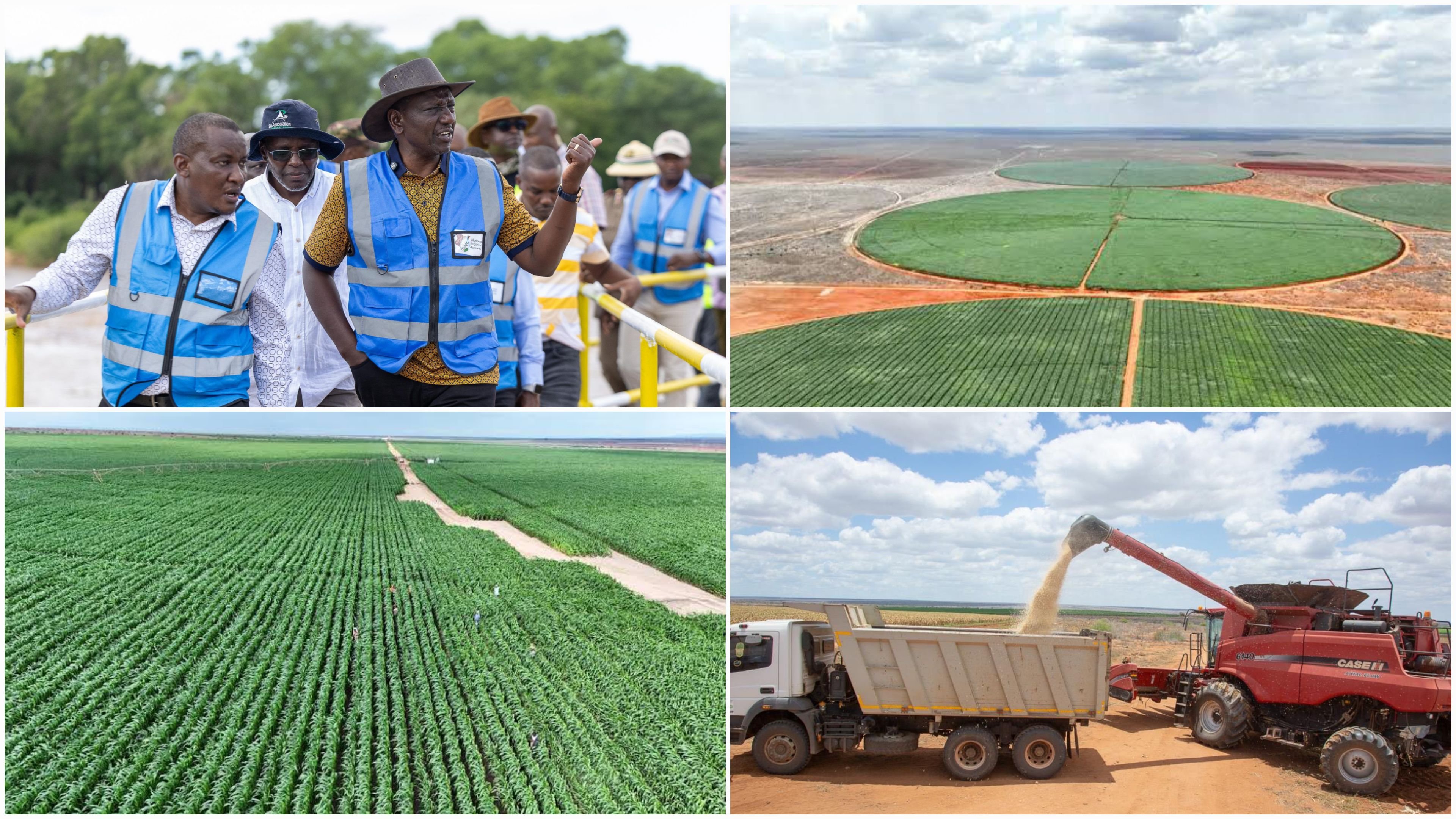

The Galana-Kulalu Food Security Project was once seen as a symbol of failure and a monument to misspent public funds. This vast scheme spanning 1.5 million acres in Kilifi and Tana River counties was a national embarrassment. It was derisively nicknamed the ghost project after years of stagnation and unfulfilled promises. The initial vision to transform arid land into a productive food basket seemed hopelessly lost but now the narrative is dramatically changing. A new focused strategy is reviving this flagship initiative and breathing life into the dream of a food-secure Kenya.
The fundamental shift came with the adoption of a Public-Private Partnership (PPP) model, whereby the government recognized that private sector efficiency and capital were essential for large-scale agricultural success. This new approach moved the project away from previous bureaucratic hurdles and financial mismanagement. The government secured a private investor Selu Limited for the initial production phase. This key partnership is injecting an estimated Ksh. 12.5 billion into the scheme demonstrating serious financial backing and commitment.
The physical progress on the ground is now tangible and substantial. Also, the National Irrigation Authority has prioritized building the necessary water infrastructure. A major milestone was the completion of a large 600,000 cubic meter water reservoir that is critical for sustaining large-scale cultivation. Under this, a new water intake system and high-capacity pumps are efficiently drawing water from the Galana River. These pumps then channel the water through a network of canals and pipes to the expansive farmlands. The irrigation infrastructure is fully operational and it is transforming previously unproductive zones into fertile land ready for year-round agriculture.

The most visible sign of success is the commencement of large-scale commercial farming. In October 2025 the project celebrated its first significant achievement under the new model, while the first large-scale maize harvest began on the 1,500-acre demonstration farm. This harvest is a crucial proof of concept showing that high yields are possible in this difficult terrain. Initial results indicate productivity significantly exceeding the national average. This achievement validates the new model and the government’s unwavering commitment to the project.

Looking forward, the expansion plans are ambitious and phased. The current focus on 1,500 acres is just the start of Phase One. The private investor is moving quickly to develop 20,000 acres in the medium term and the cultivated land will primarily produce maize and seed maize. The projected output from this 20,000-acre block is massively around 1.4 million bags of maize annually. This production is expected to generate an estimated Ksh. 5.6 billion in revenue. Therefore, its economic impact will directly reduce Kenya’s reliance on costly food imports.
The long-term vision is anchored by the proposed Galana Dam. The massive water retention facility is expected to have a capacity of 306 million cubic meters that will unlock the full potential of the region. It is designed to expand irrigation to an eventual 200,000 to 500,000 acres. With this water infrastructure in place, Galana Kulalu will become a national food hub. The project is designed to create thousands of jobs, stimulate rural economies and provide a steady supply of raw materials for agro-industries. The consistent progress and successful harvest have now turned this once-mocked development into a genuine source of national pride and an undeniable step towards securing Kenya’s future food needs, amidst the current a national discontentment with the running of such large-scale projects.
Comments (1)
Leave a Comment
Paul
Oct 14