
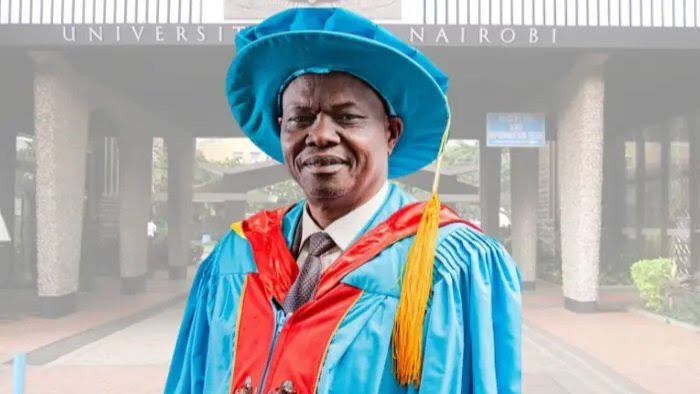

The University of Nairobi (UoN) has entered a period of transition as incoming Vice Chancellor Professor Ayub Gitau assumes leadership. Tasked with steering Kenya’s oldest university, the new administrator acknowledges the presence of significant internal divisions that have hindered progress at the institution.
Professor Gitau, an Agricultural Engineer with a background in infrastructure development, highlighted the urgent need for internal cohesion. His stated agenda focuses on healing these fractures to restore the academic and administrative standing of the university.
Addressing the current state of the institution, the incoming Vice Chancellor indicated that his tenure will prioritize institutional stability. He emphasized that the university cannot achieve its broader goals if it remains fragmented by internal disputes and administrative challenges.
The appointment arrives at a time when the university faces pressures related to governance and funding. Observers within the academic community view this change as a critical attempt to stabilize the management of the country’s premier higher learning facility.
Professor Gitau brings experience from his previous roles within the Faculty of Engineering and his tenure as the Acting Deputy Vice Chancellor for Academic Affairs. These positions provided him with direct insight into the systemic issues affecting the campus environment.
Strategic planning remains a central pillar of his proposed recovery plan. He intends to streamline decision-making processes while fostering a more inclusive administrative culture for staff and students alike.
Restoring the reputation of the university involves addressing long-standing grievances among faculty and support staff. The new administration is expected to engage in dialogue to align various stakeholders with a shared vision for the future.
While the path toward institutional renewal remains complex, the focus on internal unity is a priority. Supporters of the new leadership argue that success depends on the ability to move past historical disagreements.
The university administration has not yet released specific timelines for these reforms. However, the stated commitment to reviving the institution’s core values serves as the foundation for the upcoming changes in policy and management.
As the campus monitors these developments, the academic community anticipates structural adjustments. The goal is to ensure that the university maintains its legacy while adapting to modern educational requirements in an increasingly competitive sector.
Comments (0)
Leave a Comment
No comments yet. Be the first to share your thoughts!