
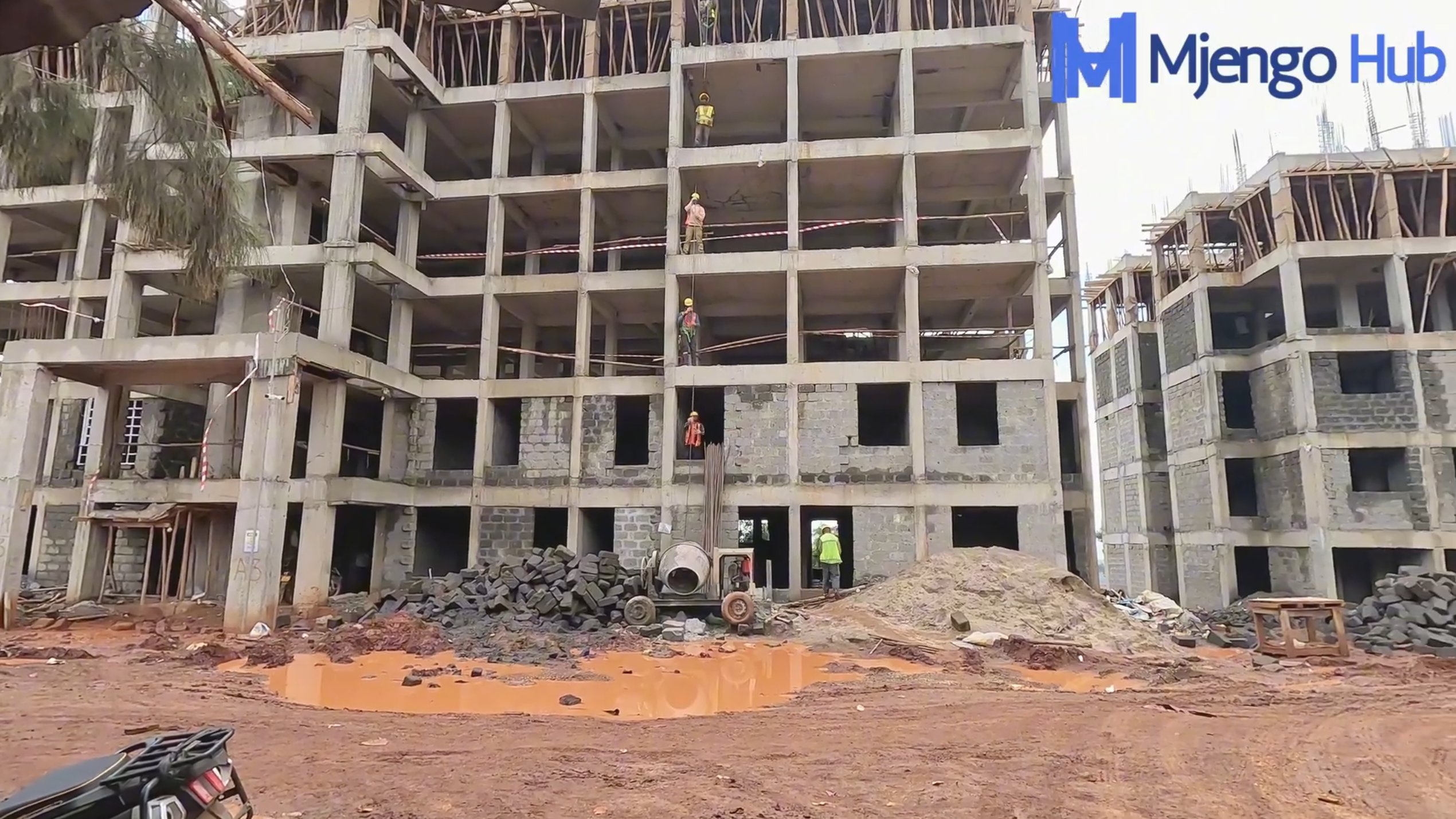

The government's ambitious Affordable Housing Programme is facing a significant hurdle as it emerges that more than 90 percent of the land earmarked for these projects lacks title deeds.
This revelation has sparked concern among stakeholders who warn that the absence of formal ownership documents could derail the initiative, which is a key pillar of the current administration's development agenda.
The situation highlights a deep systemic issue within the land tenure system where vast tracts of public land remain undocumented or stuck in bureaucratic processes that have delayed the issuance of titles for decades.
Investors and private developers who have been courted to partner with the government in delivering affordable units are expressing hesitation due to the lack of security of tenure.
Without title deeds, financiers are reluctant to release funds as the land cannot be used as collateral. This creates a gridlock where projects that have been launched on the ground face potential stalling or legal challenges from communities and individuals claiming ownership of the same parcels.
The Ministry of Lands has been urged to fast-track the titling process to unlock the potential of these sites and restore investor confidence in the programme.
The problem is further compounded by the fact that some of the identified land sits on community trust land that has not been converted to public land through the requisite legal procedures. This omission opens the door for endless litigation that could tie up projects in court for years.
Government officials have acknowledged the backlog at the land registries but insist that measures are being put in place to digitize records and expedite the processing of deeds.
The National Land Commission is also under pressure to verify the status of these parcels to ensure that the government is not building on disputed land since this would lead to loss of public funds.
As the demand for decent housing grows, the resolution of these land ownership questions remains the most critical factor in determining whether the affordable housing dream will become a reality for millions of Kenyans.
Comments (0)
Leave a Comment
No comments yet. Be the first to share your thoughts!