
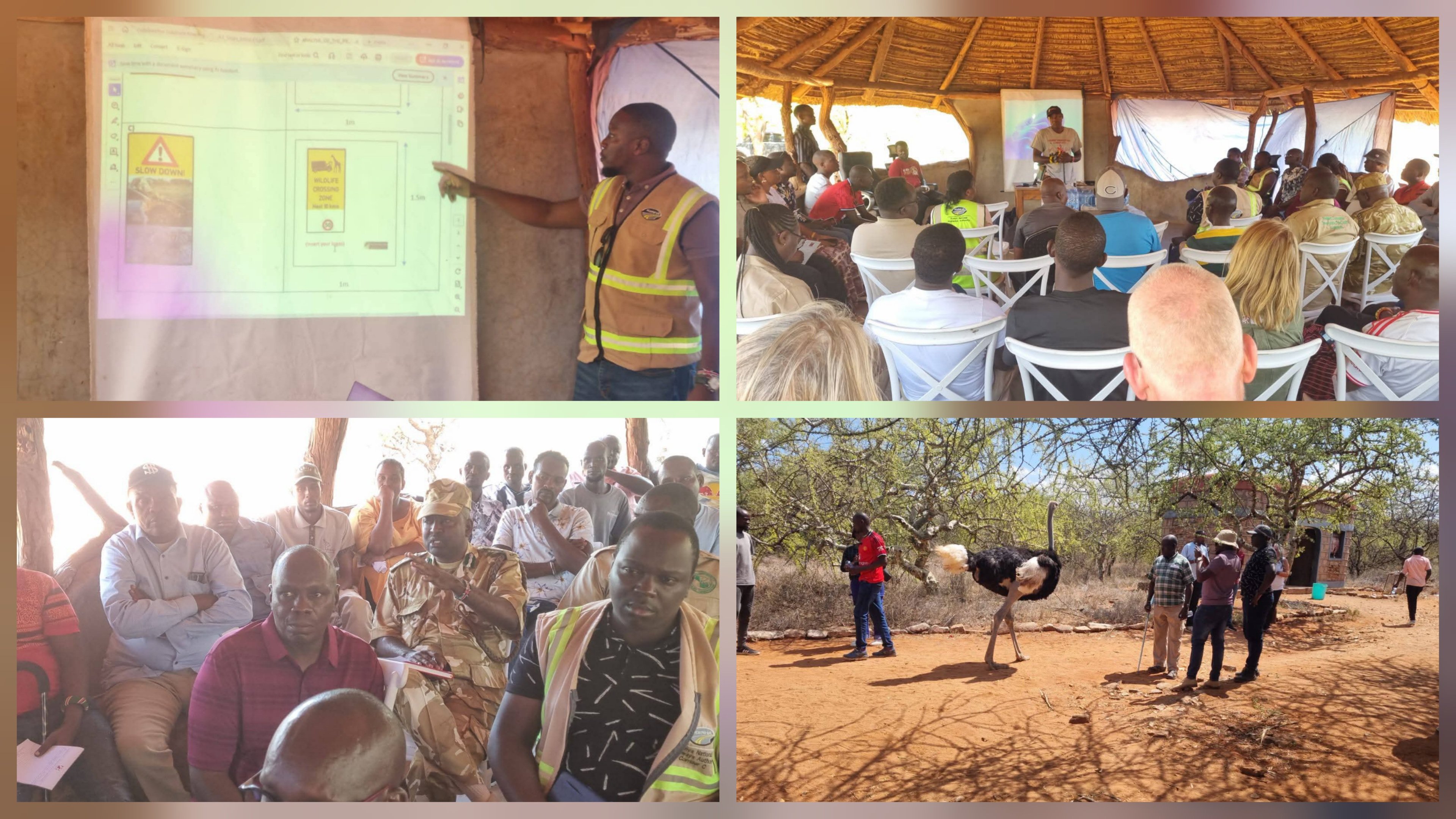

The Kenya National Highways Authority (KeNHA) is moving to address the rising frequency of animal-related collisions along the Lewa - Moyale (A2) Road.
Following an assessment of risk hotspots, the agency confirmed it will install specialized warning and speed-reduction signage at identified wildlife crossing zones. These measures focus on lowering vehicle speeds and increasing driver awareness to protect motorists, livestock, and local biodiversity.
Eng. James Muthee, representing the Authority, stated that the initiative is part of a broader commitment to balancing infrastructure safety with wildlife conservation.
The decision follows a formal stakeholder engagement process with Northern Kenya Road Watch, a group that collaborated with transport officials to map out the most dangerous sections of the highway for both people and animals.
The A2 corridor serves as a critical link for transport in Northern Kenya but intersects with several vital ecosystems. By introducing targeted signage, KeNHA intends to manage traffic flow through these sensitive zones without compromising the efficiency of the regional transport network.
The intervention is expected to provide a practical solution to the persistent challenge of habitat fragmentation caused by road infrastructure.
Beyond the immediate installation of hardware, the project aims to foster more responsible road use among the driving public.
Officials noted that the collaboration between conservation actors and transport authorities highlights a shared responsibility to protect the country's natural heritage.
This deployment on the Lewa - Moyale route aligns with national objectives to ensure that large-scale infrastructure projects remain compatible with the survival of northern Kenya’s wildlife populations.
Comments (0)
Leave a Comment
No comments yet. Be the first to share your thoughts!