
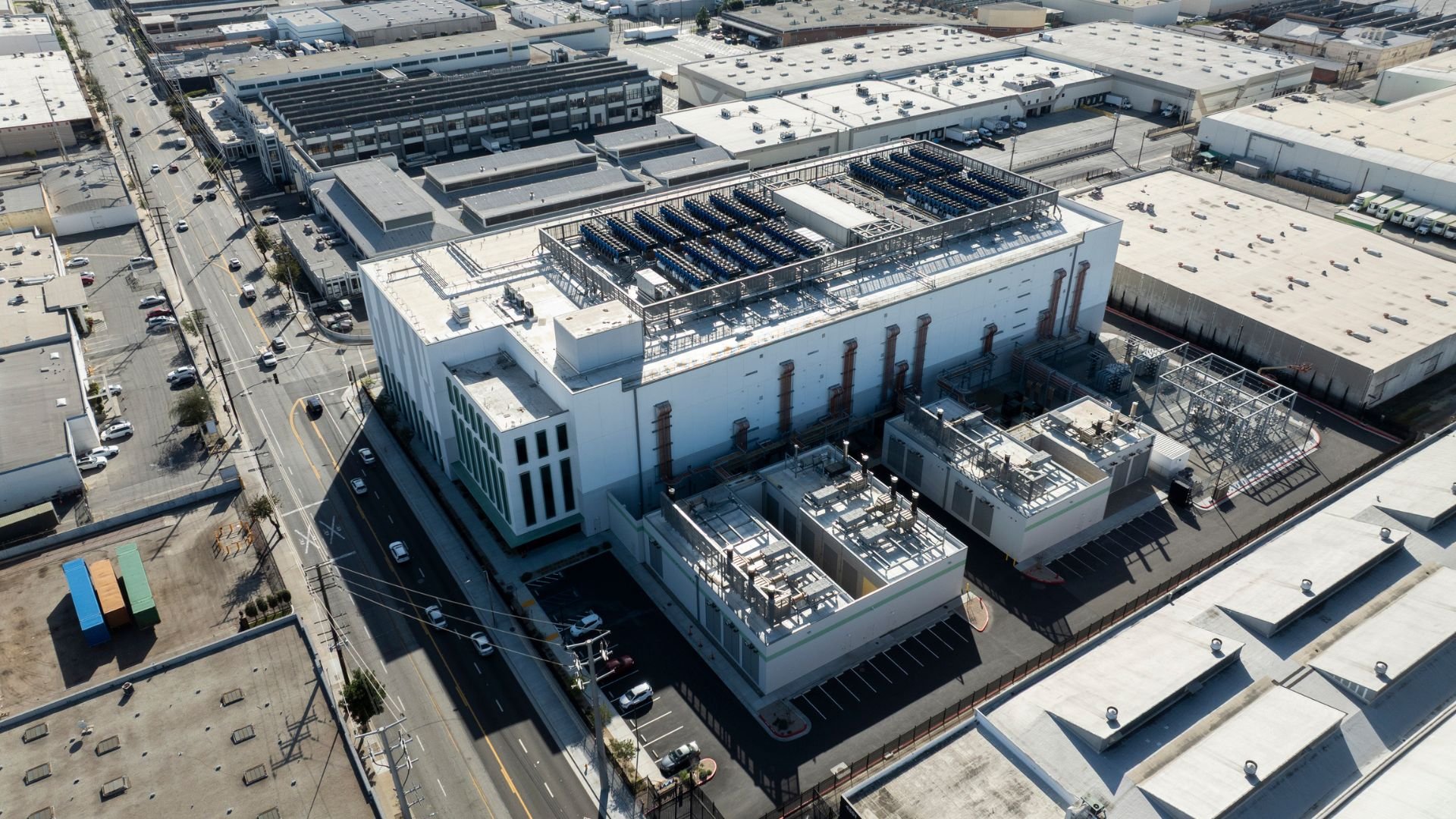

Engineers at Sandia National Laboratories have developed a software platform designed to stabilize electrical grids experiencing severe voltage fluctuations from data centers. The platform, which is called a Distributed Energy Resource Management System (DERMS), automates grid stabilization.
The operational tests were carried out at live sites in Texas, where the platform successfully balanced electricity fluctuations by managing local grid devices in real time. Rising power demand from digital infrastructure facilities has introduced heavy, unpredictable loads, which strain traditional utility systems.
Traditional grid systems often fail to adapt quickly to these rapid spikes, which can cause severe voltage swings that risk damaging industrial electronics. The newly developed system resolves this issue by utilizing artificial intelligence to coordinate smart inverters.
Instead of relying on slow, mechanical hardware to adjust grid parameters, the software transforms these existing assets into active participants for real-time voltage control. The engineering team initially validated the software platform within their laboratory environment before proceeding to live deployments.
The validation process relied heavily on a specialized method known as Power Hardware-in-the-Loop simulation. This methodology connects actual commercial hardware to a simulated electrical network, which allowed researchers to monitor how the software platform behaves during unexpected infrastructure disruptions without risking live grids.
After completing the simulation phase, the engineering team deployed the software to operational testing facilities to evaluate performance under real-world conditions. These live demonstrations were conducted at testing facilities in Texas to counter the power spikes caused by artificial intelligence data center expansion.
The regional grid provided an ideal testing environment, because the installation incorporates functional computing infrastructure. This specific asset allowed researchers to replicate the exact high-demand power profiles, which regional utility operators increasingly encounter due to the rapid global expansion of artificial intelligence infrastructure.
Researchers structured the field trials around side-by-side comparisons, running the network for twenty-four hours with the automated controller enabled, and then repeating the process with the platform turned off. The comparative data demonstrated that the system improved overall voltage stability across the network.
Prior to activating the platform, voltage at the testing site consistently registered outside the ideal target baseline due to heavy loads. The automated controller successfully mitigated this discrepancy, bringing the electrical performance much closer to the standard operating limits required by commercial power distribution companies.
Project leaders explained that the platform continuously forecasts localized electricity consumption alongside available power resources, which allows the system to execute precise adjustments. This capability protects sensitive equipment from power spikes, if demand surges unexpectedly.
According to senior laboratory management, the system also addresses critical national security vulnerabilities by strengthening energy infrastructure against external disruptions. Modern distribution grids are increasingly complex, but the software offers an agile mechanism to keep mission-critical functions operating during unexpected emergencies.
The project is currently transitioning toward commercial adoption under federal energy initiatives. This commercialization phase involves extensive consultations with utility managers, who are helping refine the software to ensure seamless integration into existing operational systems.
The research team is leveraging this industry feedback to optimize the platform interface, which will make it easier for smaller power providers to deploy the system. Addressing these localized power issues remains crucial, although energy demands from high-density computing continue to rise globally.
Comments (0)
Leave a Comment
No comments yet. Be the first to share your thoughts!