
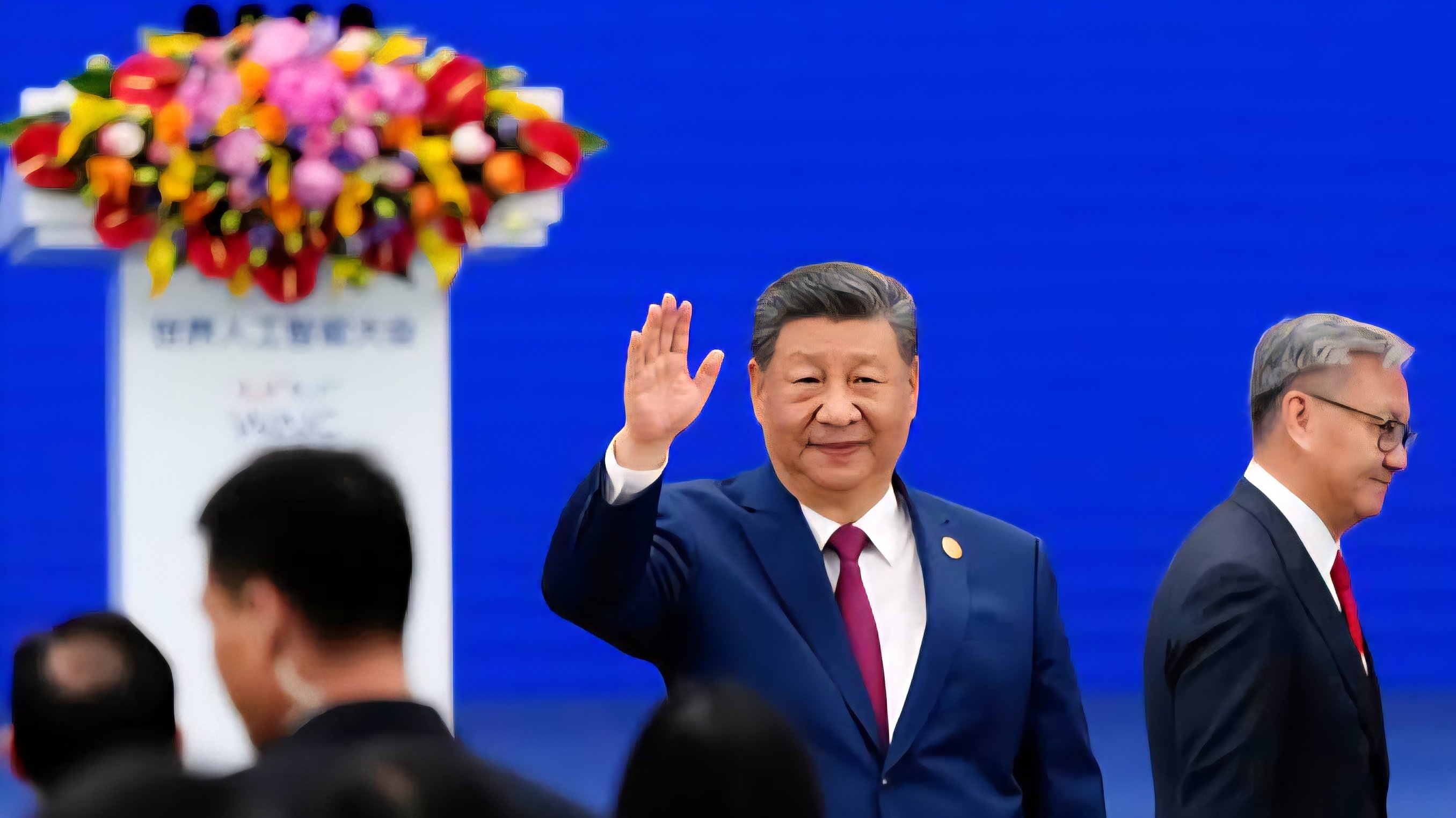

Chinese President Xi Jinping has announced the formation of the World Artificial Intelligence Cooperation Organization (WAICO) during the opening of the 2026 World Artificial Intelligence Conference (WAIC) in Shanghai.
The new body aims to establish a framework for international governance and cooperation in the rapidly advancing sector of Artificial Intelligence (AI).
President Xi highlighted that AI development should function as a collaborative global effort rather than a competition dominated by a single nation.
He criticized the tendency of some countries to use national security as a justification for restricting technological access, arguing that such measures hinder shared prosperity.
This initiative emerges as China seeks to position itself as a central architect of global technology rules. WAICO will be headquartered in Shanghai and focus on bridging the technological divide between wealthy nations and the Global South. Its primary mandate includes fostering technology transfer, innovation support, and the creation of standardized governance frameworks.
Delegates from over 100 countries attended the conference, where they expressed concern that Africa and other developing regions could remain excluded from the economic benefits of AI.
Many attendees warned that without intervention, the concentration of computing power and infrastructure in a few nations will worsen existing global inequalities.
To support this shift, President Xi pledged that China will provide 5,000 training opportunities to developing countries over the next five years. Kenya is among the nations expected to benefit from these seminars and skill-building programs.
The Chinese government also plans to offer 30 countries access to a proprietary meteorological AI system designed for early warning and disaster response.
The conference underscored the need for enhanced safety measures to prevent the misuse of AI by cyber attackers and criminal organizations. Participants advocated for international standards to ensure that advanced models remain under human control and do not operate outside of effective oversight.
Emphasis was placed on the importance of data governance, with nations encouraged to enact laws that protect personal information while facilitating secure data sharing.
The push for wider adoption of open-source AI technologies was a recurring theme, as proponents argued that expensive, proprietary systems only serve to widen the gap between rich and poor nations.
China’s move to establish WAICO follows its prior proposal of the Global AI Governance Initiative in 2023. By fostering partnerships with organizations such as the African Union and the BRICS group of nations, Beijing intends to provide an alternative platform for developing states to engage with frontier technologies.
For countries like Kenya, which are increasingly reliant on digital services, the long-term impact of this initiative depends on whether it leads to tangible investments in local infrastructure.
The objective remains ensuring that nations in the Global South transition from being mere consumers of external tech to becoming active participants in its development.
Comments (0)
Leave a Comment
No comments yet. Be the first to share your thoughts!