
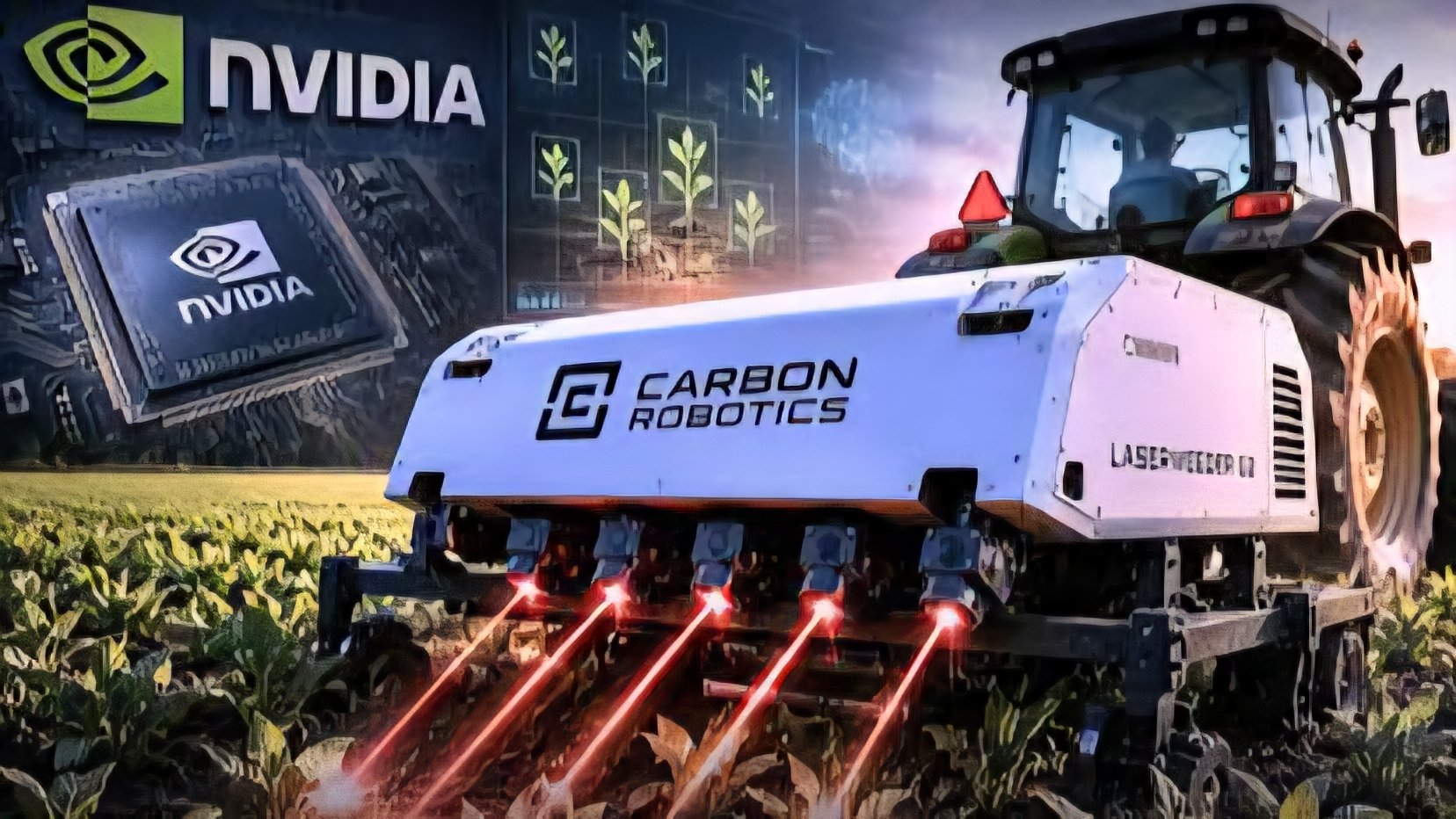

Agricultural machinery developer Carbon Robotics has released detailed performance metrics for its LaserWeeder Generation Two (G2), an automated weed management unit built for commercial farming applications. The machinery utilizes integrated high-powered diode lasers alongside computer vision systems to eliminate invasive growth across commercial crop fields.
The unit operates by targeting unwanted vegetation using onboard Artificial Intelligence (AI) cameras that identify plant structures instantly in real-time operations. High-powered diode lasers then deliver concentrated thermal energy to burn out identified weeds down to their root points without physically touching crops or disturbing surrounding soil strata.
The 20-foot broad model features an operating capability designed to eliminate more than 8,000 individual targeted weeds per minute during active row traversal. Field assessments indicate that the system maintains sub-millimetre accuracy across varying ground terrain while achieving up to a 99 percent kill rate against targeted weed species.
By targeting undesirable sprouts using directed light beams, the system offers an alternative to conventional chemical spraying methods and manual tillage. This approach protects delicate soil microbiomes and reduces reliance on synthetic herbicide chemicals, which face growing resistance issues across agricultural sectors globally.
Precision laser systems represent a growing shift toward direct energy applications within modern agricultural operations. Equipment manufacturers continue integrating computer vision platforms directly into heavy farm machinery to automate repetitive field management tasks, reduce labor dependencies, and boost operational field throughput for high-yield food production operations.
Large-scale growers are increasingly evaluating autonomous laser weeding systems as a viable response to rising farm labor costs and strict regulatory limits on chemical runoff. These advanced units allow commercial farms to operate continuously across large acreage, maintaining consistent weed suppression regardless of daylight or seasonal labor shortages.
As high-powered diode lasers become more reliable and cost-effective, their integration into heavy agricultural machinery is expected to accelerate across major farming regions worldwide. Equipment operators benefit from reduced chemical input expenses and improved crop quality, as physical ground disturbance is effectively eliminated during the weeding process.
The shift toward precise mechanical and optical weed destruction reflects broader technological trends across global agricultural infrastructure. By combining real-time machine learning algorithms with high-speed targeting systems, modern field equipment is gradually replacing chemical application regimes with targeted, energy-based alternatives designed for continuous operation in variable climate conditions.
Comments (0)
Leave a Comment
No comments yet. Be the first to share your thoughts!