
Dubai International Airport has retained its position as the busiest international hub in the world, according to recent aviation industry data. The airport serves as the primary base for Emirates and remains a central node for global transit, connecting travelers between Europe, Asia, and the Americas. This ranking specifically measures international passenger numbers rather than total domestic and international traffic combined, a metric where large American hubs often dominate due to their internal flight volumes.
In the most recent assessments of global flight patterns, Dubai surpassed other major international gateways, including London Heathrow and Amsterdam’s Schiphol Airport. The facility reported handling 86.9 million passengers over the last full calendar year, representing a significant recovery and growth trajectory for the Middle Eastern aviation sector. The infrastructure at Dubai International is designed to manage high-density long-haul transfers, which account for the vast majority of its throughput.
London Heathrow occupies the second position on the global list. As the primary gateway to the United Kingdom, Heathrow remains the busiest airport in Europe for international connections despite ongoing discussions regarding capacity constraints and the long-debated construction of a third runway. While Heathrow serves as a vital link for transatlantic travel, its total international passenger count trailed Dubai’s by several million.
Amsterdam Airport Schiphol and Paris Charles de Gaulle Airport also featured prominently in the top five. Schiphol continues to operate as a major European transfer point for the SkyTeam alliance, though it faces unique operational challenges. The Dutch government has recently explored various measures to cap flight movements at the airport to address noise pollution and environmental concerns, which may impact its future growth and ranking among global hubs.
Beyond the European and Middle Eastern strongholds, Singapore Changi Airport continues to lead the rankings within Asia. Known for its extensive terminal infrastructure and role as a gateway to Southeast Asia, Changi has seen a steady increase in traffic as regional travel markets fully reopened. The airport is currently moving forward with plans for Terminal 5, a massive construction project intended to further increase its capacity by the mid-2030s.
While these international rankings focus on cross-border travel, the overall busiest airport in the world, when including domestic flights, remains Hartsfield-Jackson Atlanta International Airport in the United States. Atlanta serves as the primary hub for Delta Air Lines and benefits from a massive domestic market that European and Middle Eastern hubs do not possess. However, in the specific category of international transit, Atlanta and other large U.S. airports like Dallas/Fort Worth typically rank lower than their counterparts in the Gulf and Europe.
Infrastructure development remains a primary driver for these rankings. Istanbul Airport, which opened its massive new terminal complex in recent years, has been rapidly climbing the list. The facility was built to replace the aging Ataturk Airport and provides Turkish Airlines with the capacity to expand its global network. The shift in traffic toward the Middle East and Turkey reflects a broader change in global aviation geography, as newer, more modern facilities draw traffic away from older, more congested hubs in Western Europe.
The data underscores the competitive nature of the global aviation industry, where airport authorities and national governments invest billions in terminal expansions and runway capacity to secure their status as premier transit points. For Dubai, the reliance on international traffic is a deliberate economic strategy, leveraging its geographic location to act as a bridge between the East and the West. As passenger numbers continue to rise globally, the pressure on these major hubs to maintain and upgrade their infrastructure remains a constant factor in international construction and engineering.
A Look at the Airport that Just Crushed Heathrow to Become the World's Number One Hub!
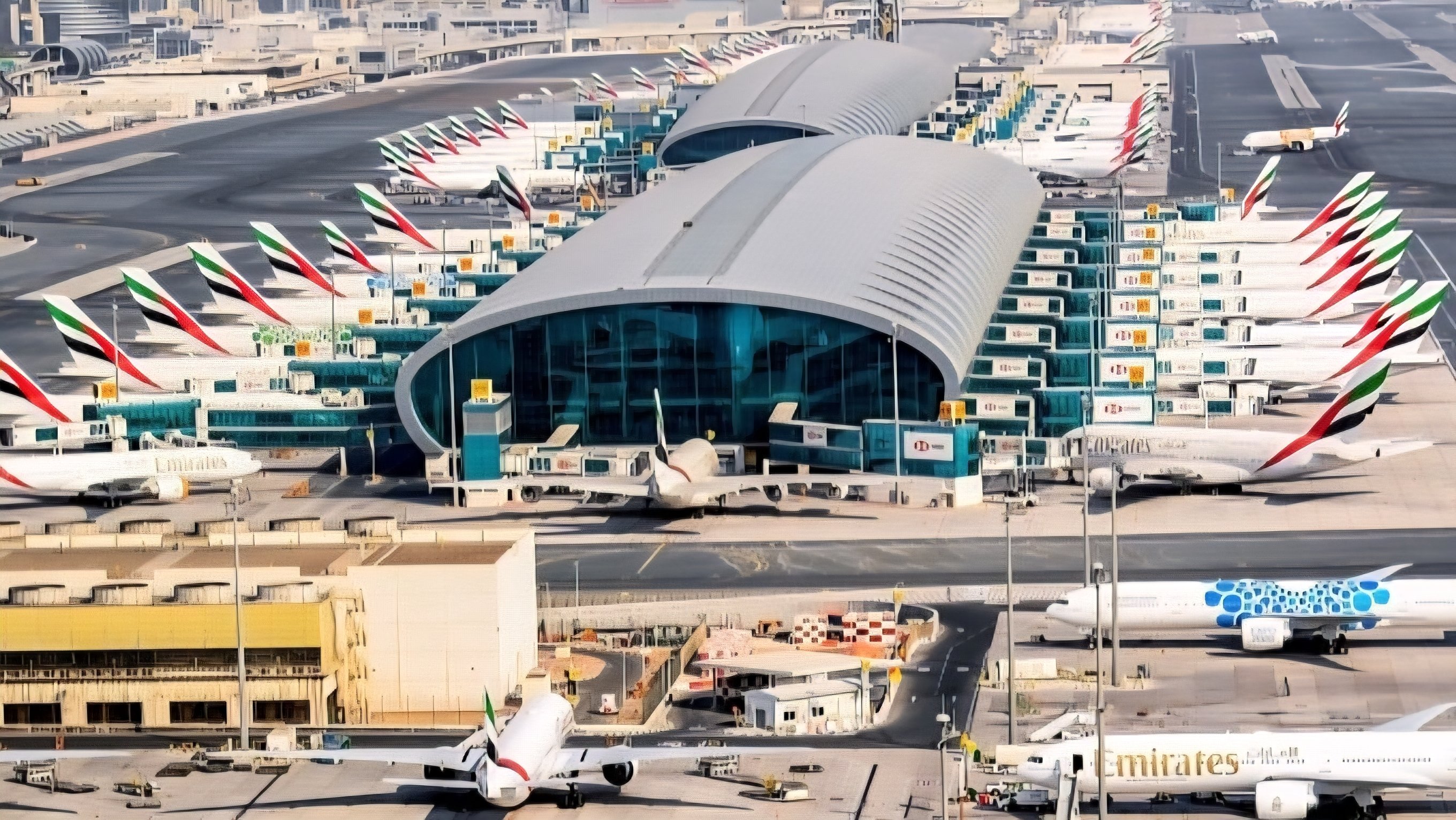
Dubai International Airport, pictured here, has secured its rank as the premier global hub for international passengers, handling nearly 87 million travelers annually.
|
VN EXPRESS INTERNATIONAL

New aviation data confirms Dubai International Airport as the leading global hub for international travelers, surpassing major transit points in London, Amsterdam, and Paris in total annual passenger volume.
Comments (0)
Leave a Comment
No comments yet. Be the first to share your thoughts!