
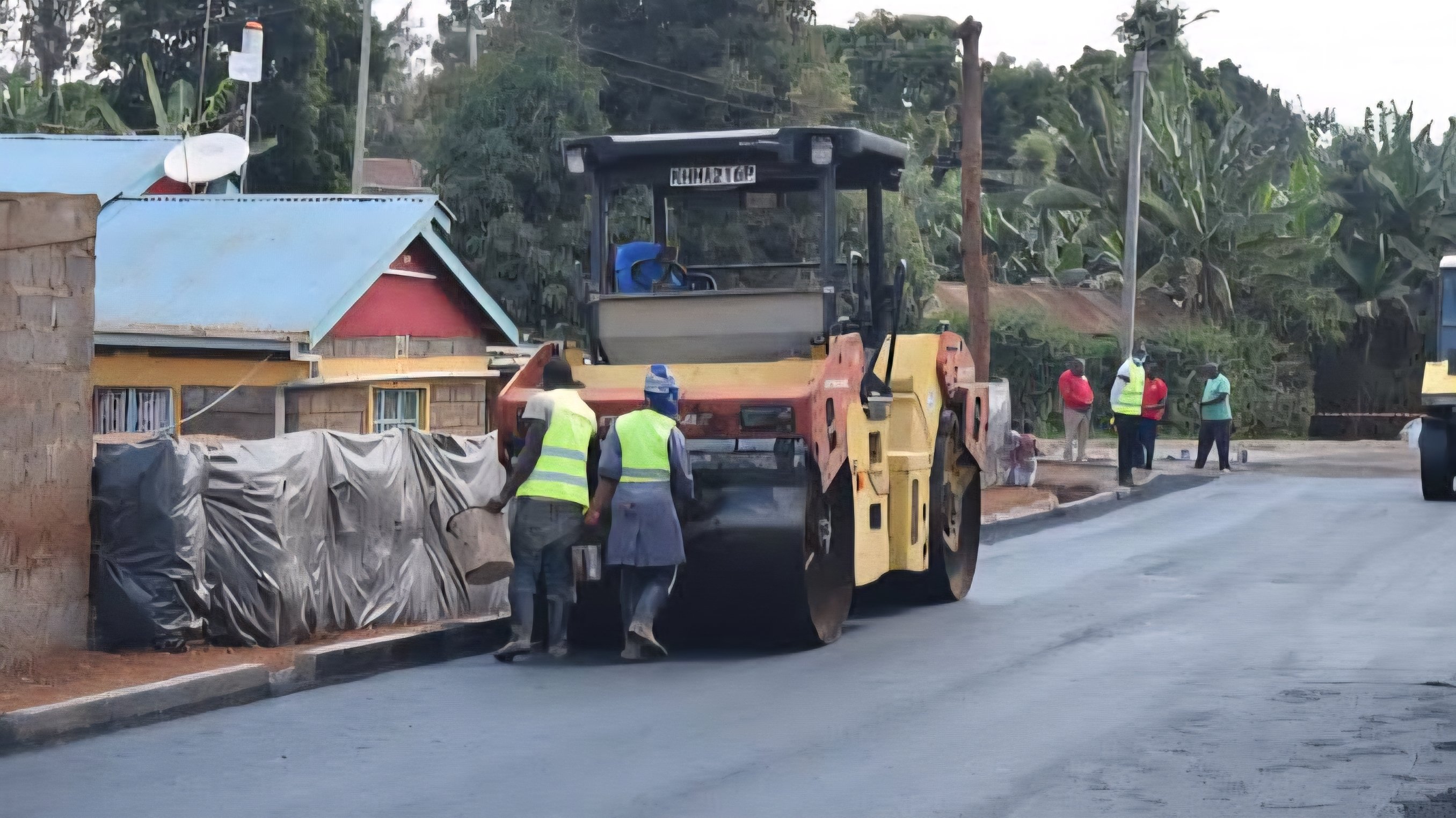

The World Bank has provided technical clarification on the operational mechanics of the Kenya Informal Settlements Improvement Project, currently known as the Nyota programme. Speaking during a high-level briefing, World Bank Country Director for Kenya, Qimiao Fan, addressed the intricacies of the Ksh45 billion initiative, which aims to upgrade living conditions in urban informal settlements across the country. The project has recently faced public scrutiny regarding the pace of fund disbursement and the criteria used for selecting beneficiary areas.
According to Fan, the Nyota programme operates under a specific performance-based model. Unlike traditional lump-sum grants, this framework requires the Kenyan government to achieve pre-determined milestones before funds are released. This "results-based" approach is designed to ensure that the multi-billion shilling investment translates into tangible infrastructure on the ground, such as paved roads, high-mast lighting, water connections, and improved sanitation systems in densely populated areas.
The Country Director noted that while the total commitment stands at approximately $350 million, the flow of capital is contingent upon the capacity of local and national agencies to execute works. This clarification comes at a time when residents in various informal settlements have expressed frustration over stalled or slow-moving site clearances. The World Bank representative emphasized that the multilateral lender maintains strict oversight on procurement and environmental safeguards, which often dictates the timeline of the project lifecycle.
A central component of the Nyota programme involves the issuance of land titles to residents of informal settlements. This aspect of the project is intended to provide security of tenure, which the World Bank views as a prerequisite for long-term urban stability and private investment in housing. Fan highlighted that the complexity of land adjudication in Kenya often presents a bottleneck, as legal disputes and overlapping claims must be resolved before the infrastructure phase can proceed in earnest.
The programme targets 175 informal settlements spread across 33 counties. This wide geographic scope has led to questions about how certain settlements are prioritized over others. The World Bank clarified that the selection process is data-driven, focusing on settlements with the highest levels of poverty and the least access to basic services. Local community participation is also a mandatory requirement under the World Bank’s social safeguards, meaning that projects cannot move forward without documented engagement with the residents who will be affected by the construction activities.
In response to concerns about the debt implications of the Ksh45 billion project, the briefing pointed out that the financing is provided under concessional terms through the International Development Association. These terms generally include low interest rates and extended grace periods. However, the performance-based nature of the deal means that if the Kenyan government fails to meet the agreed-upon targets for infrastructure delivery, the funding remains held back, which acts as a built-in accountability mechanism for the taxpayer.
The Nyota programme is the second phase of a broader informal settlement improvement strategy that began over a decade ago. The first phase focused on a smaller number of municipalities and provided the blueprint for the current expanded rollout. Ministry of Lands and Housing officials have previously stated that they are working to streamline the bureaucracy involved in the programme to meet the World Bank's performance triggers.
As the government moves to accelerate urban renewal, the World Bank’s stance indicates a shift toward more rigorous financial monitoring. The success of the project now hinges on the ability of Kenyan contractors and government departments to deliver certified results in exchange for the next tranche of capital. For the residents of settlements like Mathare, Mukuru, and various sites in Kisumu and Mombasa, the wait for finished roads and drainage continues as the administrative machinery adjusts to these stringent funding conditions.
Comments (0)
Leave a Comment
No comments yet. Be the first to share your thoughts!