
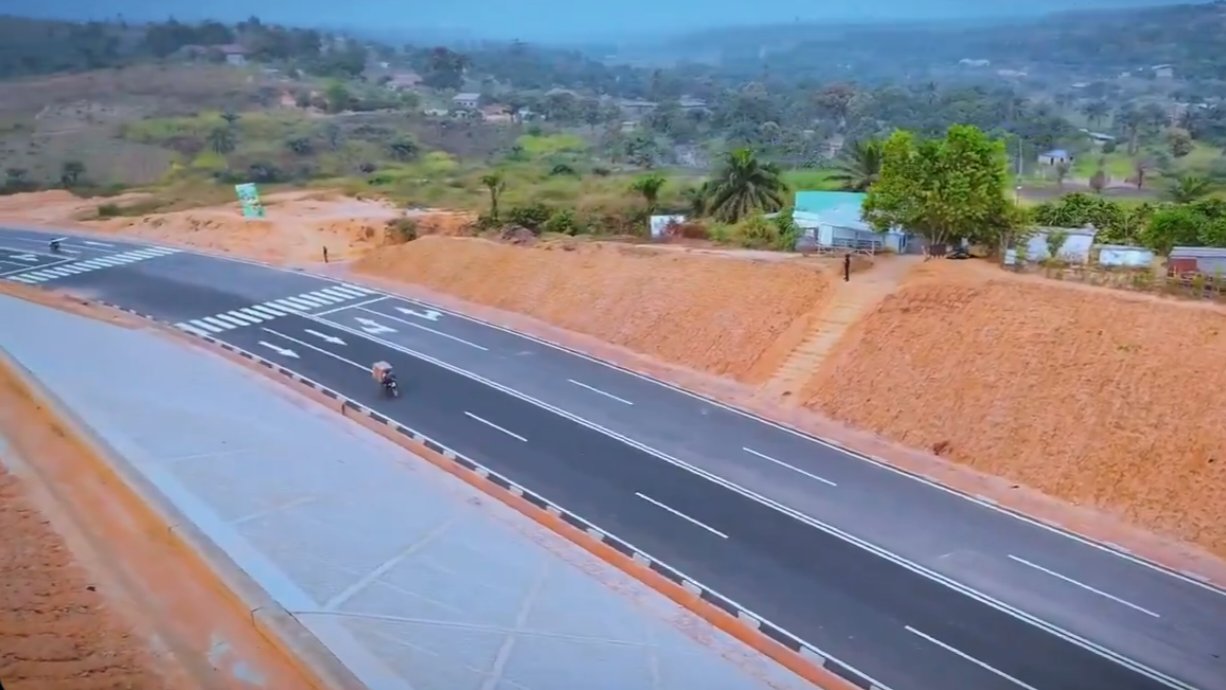

The Democratic Republic of Congo (DRC) has launched an extensive national road construction program, supported by a $7 billion infrastructure investment allocation aimed at modernizing crucial transport corridors. Works are active across multiple sites in Kinshasa to address severe gridlock affecting the capital.
Urban transport capacity remains a central focus of the initiative. City authorities have prioritized major thoroughfares to improve freight movement and shorten transit times across the metropolitan region, which suffers from chronic traffic bottlenecks.
A central component of this rollout is the $300 million Kinshasa Ring Road. Contractors are currently executing civil works on the 73-kilometer (73km) bypass route, which will divert heavy industrial freight away from congested city center arterial roads.
Complementing the ring road project is the planned $655 million Congo River Bridge link. Civil engineers designed this multi-million-dollar crossing to enhance cross-border connectivity and improve commercial logistics between major regional trading hubs.
Transport analysts note that expanding heavy urban infrastructure requires significant capital commitment, structured land acquisition, and long-term asset maintenance strategies. City planners expect the completed bypass network to streamline commuter flows and reduce commercial transit delays significantly.
The continuous investment allocation under the national fund reflects broader regional efforts to upgrade central African transport networks. Local officials anticipate that improved road capacity will support economic activity, when primary arterial corridors become fully operational.
Comments (0)
Leave a Comment
No comments yet. Be the first to share your thoughts!